
 Caleb Turner
To safeguard my beloved wooden items from curious chewing, I first apply a layer of bitter apple spray to surfaces. This safe, non-toxic solution not only deters my furry companion but keeps the furniture looking pristine.
Next, I ensure that all exposed cords and wires are tucked away or encased in protective tubing. This minimizes the risk of accidental gnawing, which can lead to costly repairs or even hazardous situations.
Investing in chew-proof barriers is another strategy I employ. Simple designs made from acrylic or metal effectively shield vulnerable areas without compromising the aesthetic of my living space.
Lastly, regular interaction and playtime with my pet diverts their attention from the furniture. Toys that mimic natural chewing behaviors can keep them engaged, reducing the likelihood of mischief around my wooden treasures.


Preventing Damage to Furniture from Chewing
Consider using protective covers on tabletops and other surfaces. Clear vinyl sheets effectively shield surfaces from gnawing and scratches while maintaining visibility of the furniture’s aesthetics.
Repellent Techniques
- Apply citrus-scented sprays to deter interest in certain areas.
- Use bitter apple spray or similar products that unpleasantly affect taste and smell.
- Incorporate herbal deterrents like rosemary or lavender, which can act as natural repellents.
Encapsulation Strategies
- Introduce barriers such as cushioned corner protectors where chewing is likely, softening the impact while protecting surfaces.
- Position decorative items, like plants or faux fruits, strategically on tables to redirect attention.
- Establish designated play zones with appropriate chewing toys that draw interest away from prohibited areas.
Regularly rotate toys and preferred play objects to maintain engagement. Create a comfortable and stimulating environment to satisfy natural instincts without compromising on your decor.
Assessing Your Furniture’s Vulnerabilities
Examine each piece closely for chew marks and damage, focusing on edges and corners, where rabbits often target. Identify any exposed wood surfaces that might tempt nibbling. Look out for frayed or damaged upholstery that could attract attention.
Key Areas of Focus
Pay particular attention to the legs and base of cabinets or tables. These areas frequently offer easy access. Review shelves; open or low ones may be more interesting to your pet. Inspect any decorative elements, like carvings or moldings, which could serve as chew toys.
Materials and Construction
Consider the type of varnish or finish applied. Glossy, hard finishes are less appealing for gnawing than raw or porous surfaces. Understand the construction methods; glued joints may be weaker and more susceptible to bunny interference. My analysis helps pinpoint what needs extra protection or modification to deter unwanted attention.
Choosing Safe and Durable Materials
Select sturdy options like hardwoods, such as oak or maple, which provide a solid foundation against chewing. Plywood is also a viable alternative, ensuring strength without being overly heavy.
Consider non-toxic finishes and paints. Look for those marked as low-VOC or water-based to minimize harmful exposure. These finishes enhance durability while maintaining a safe environment.
Utilizing fabric covers made from heavy-duty materials can protect surfaces from scratches and bites. Choose tightly woven fabrics that resist tearing, as they offer an extra layer of defense.
Incorporate metal or high-density plastic elements for areas prone to damage. These materials stand up well to wear and provide a stronger barrier against persistent nibbling.
When selecting pads or feet for your pieces, opt for rubber or felt. They help prevent sliding, which can lead to instability, thus keeping the structure secure.
Using Furniture Covers and Protectors
To safeguard my pieces from my pet’s nibbling habits, I opt for high-quality furniture covers. These covers act as a barrier, preventing any damage and ensuring easy maintenance. Here are some options I consider:
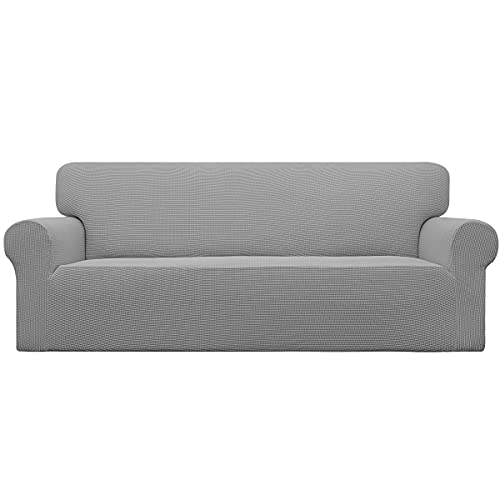
- Slipcovers: Stretchy and tailored slipcovers fit snugly over upholstery. They can be easily removed and washed, offering convenience.
- Protective Throws: Durable throws made from materials like microfiber or denim provide a cozy layer and are resistant to stains and wear.
- Plastic Protectors: For temporary use, clear plastic covers shield surfaces without altering aesthetics. They are easy to clean and remove, perfect for high-risk areas.
Additionally, I employ corner protectors on tables and chairs where my pet might chew. These small additions can significantly reduce damage potential.
Choosing the Right Material
While selecting covers or protectors, I prioritize durable fabrics that withstand wear and tear. Materials like outdoor-grade fabrics offer excellent resilience against scratches and stains, making them ideal for homes with active pets.
Regular Maintenance
I also set routine cleaning schedules for covers. Regular washing prevents dirt buildup and ensures they remain in optimal condition. This proactive approach not only maintains appearance but also extends the lifespan of the coverings.
Implementing Furniture Layout Strategies
Positioning items deliberately can prevent access to surfaces prone to damage. I recommend placing larger pieces against walls to create physical barriers. This limits my pet’s ability to reach certain areas, reducing temptation.
Creating Elevated Platforms
Utilizing shelves or multi-tiered stands can redirect attention upwards. This setup not only maximizes space but also keeps chewable items out of reach. Make sure these elevated areas are secure to avoid any accidents.
Arranging with Intention
Furniture should be arranged to reduce open pathways that make it easy for my pets to hop up onto unwanted spaces. Utilizing corner layouts creates a snug environment, discouraging exploration where it’s not wanted. Also, placing heavy or sturdy items in problematic areas can deter any attempts to access them.
Applying Rabbit-Safe Repellents
Utilizing specific repellents helps deter nibbling on beloved pieces. Opt for natural remedies such as diluted vinegar, citrus sprays, or essential oils like peppermint and eucalyptus. These substances create an unappealing aroma, steering small animals away from areas you’d like to protect.
Recommended Repellents
| Repellent Type | Effectiveness | Usage Instructions |
|---|---|---|
| Vinegar Solution | Moderate | Mix equal parts vinegar and water in a spray bottle. Apply to targeted areas weekly. |
| Citrus Spray | High | Use zested citrus peels steeped in hot water, then strain and spray after cooling. |
| Peppermint Oil | High | Dilute a few drops in water, shake well, and apply generously to at-risk zones. |
| Eucalyptus Oil | Moderate | Similar to peppermint oil, but use in conjunction with other formulas for best results. |
Reapply these solutions regularly, especially after cleaning. Observing your pet’s reactions will help gauge effectiveness; adjust methods if necessary, ensuring a balance between deterrents and comfort.
Creating Designated Bunny Areas
Establish specific zones within your living space where your pet can safely explore and play. These areas should be equipped with appropriate toys, soft bedding, and additional items that cater to their natural instincts. For instance, including hideouts or tunnels can satisfy their need for exploration and security.
Selecting the Right Location
Designate a space away from high-traffic areas, ensuring comfort and safety. Avoid placing these zones near delicate items or electrical cords. A quiet corner or a room with minimal foot traffic works best. Use baby gates to define boundaries and keep them contained within their area while preventing any unwanted access to your other belongings.
Enhancing the Environment
Incorporate various textures and materials suitable for your pet to chew on and interact with. Cardboard boxes, untreated wood blocks, and soft fabrics are excellent additions. Rotate items regularly to maintain interest and excitement in their designated space. Also, consider using fleece or towels as bedding, providing a cozy area for rest and relaxation.
Regularly Inspecting for Damage
I recommend setting a schedule for thorough examinations of my belongings. Weekly checks help identify any new chew marks or signs of wear. I closely examine corners, legs, and surfaces for any damage, including scratches or missing varnish. If I spot trouble, I document the area. Taking pictures can be invaluable for tracking the progression of wear and planning repairs.
Using a flashlight can aid in revealing any hidden issues. I inspect beneath and behind items to uncover potential areas of concern. Pay attention to the frequency of my pet’s chewing habits, adjusting my inspections accordingly. If I notice a specific piece attracting more interest, I reevaluate its placement and consider protective measures.
Have a small repair kit on hand, including wood glue, filler, and touch-up markers. This allows me to address minor damages immediately, preventing escalation. I also keep a notepad or digital app to jot down needed repairs or potential vulnerabilities for future reference.
Encouraging habits like burrowing or nibbling can lead to increased inspections. Adjusting my routine will ensure I stay proactive in protecting my possessions. Regular monitoring enhances my ability to maintain a safe environment for both my belongings and my furry companion.
Training Your Rabbit to Avoid Furniture
Begin with consistent commands paired with positive reinforcement. Use treats and praise to encourage your pet to stay away from specific areas or items.
- Establish a simple command such as “leave it” or “no.” Use this consistently every time your furry friend approaches an undesired location.
- Implement a clicker or verbal cue when your companion does not engage with the furniture. Instantly reward them with a treat to build a strong connection between the desired behavior and positive reinforcement.
- Practice short, engaging training sessions to maintain focus. Keep them to around 5-10 minutes to avoid overstimulation.
Redirecting Behavior
If your companion is attracted to certain areas, offer enticing alternatives. Create a dedicated play zone filled with safe toys and chew items. This helps divert attention away from inappropriate targets.
- Use tunnels or boxes to create an exploratory environment that encourages distraction from your valuable items.
- Introduce appealing textures, such as chew-friendly mats or carpets, for your pet to engage with instead of the unwanted surfaces.
Consistency is Key
Establish boundaries and maintain consistency in your approach. Ensure everyone in the household uses the same commands and rewards, creating a unified training effort. By reinforcing desired behaviors diligently, your furry companion will learn to keep away from your treasured possessions.
Finding a Balance Between Aesthetics and Safety
Choose colors that complement your decor while still serving a protective function. Opt for soft, muted shades that blend into the background, making protective materials less conspicuous.
Create multi-functional pieces that integrate beauty and resilience. For instance, consider using stylish decorative boxes or baskets that not only enhance the room’s design but also conceal cables or other hazardous items, preventing access.
Invest in attractive, safe barriers that serve as decorative accents while disallowing access to certain areas. This way, I maintain the room’s aesthetic quality while ensuring my furry friend’s safety.
| Material Type | Aesthetic Appeal | Safety Features |
|---|---|---|
| Canvas Covers | Variety of patterns available | Durable and easy to clean |
| Wood Finish | Natural elegance | Non-toxic options available |
| Soft Textiles | Complementary color schemes | Non-fiber shedding |
Adjust the layout of each space by pairing heavier pieces with lighter accessories, maintaining a visual balance that also limits areas where my pet can damage or chew.
Incorporate organic shapes and rounded edges in line with decor trends, which reduce the risk of injury and damage, while enhancing the visual appeal.


