
 Caleb Turner

Begin with the selection of high-quality hardwood, ideally maple or cherry, known for their durability and beautiful grain. The choice of wood significantly impacts the final outcome; each type offers distinct characteristics that influence both aesthetics and longevity.
Joinery techniques play a crucial role in achieving a refined look. Focus on traditional methods such as mortise and tenon, which provide strength and stability, ensuring the integrity of the structure over time. Pay careful attention to the precision of your cuts; accuracy in joinery will set the foundation for a polished result.


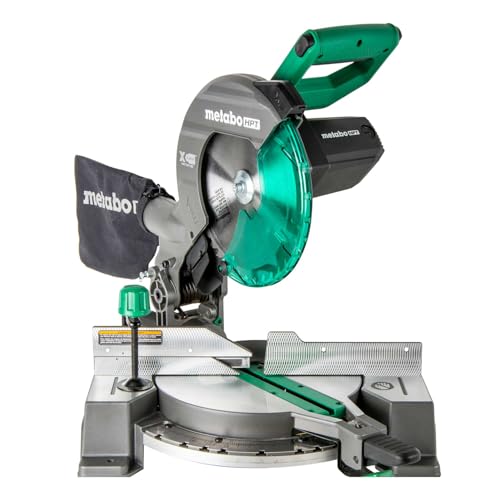
Design simplicity should be embraced throughout the process. Minimalistic lines and functional features define the essence of this style. Consider incorporating functional storage solutions without compromising on visual appeal. A well-thought-out design harmonizes usability and elegance, making the piece both practical and attractive.
Finishing is an equally important step. Aim for a clear finish that enhances the natural beauty of the wood while providing protection. Test a small area with your chosen finish to ensure compatibility with the wood type. The right finish will elevate your piece and highlight its craftsmanship.
Creating Timeless Pieces
The first step involves selecting high-quality hardwood, such as maple or cherry, for its durability and aesthetic appeal. I prefer to source locally to support the community and reduce environmental impact.
Next, accurate measurements are crucial. I often lay out the dimensions on my workbench, ensuring I have a clear visual reference before cutting. Precision in these initial stages affects the overall integrity and visual harmony of the final product.
Joinery techniques play a key role; I gravitate towards mortise and tenon joints for strength. This traditional method not only enhances stability but also showcases craftsmanship. Ensure the joints fit snugly, using wood glue and clamps for secure adherence during the drying process.
I focus on surface preparation, employing hand planes and scrapers for a smooth finish. Personal preference leans towards a natural oil finish, which highlights the wood’s character while providing protection.
Attention to detail is paramount. I incorporate simple hardware, avoiding ornate designs to maintain a minimalist aesthetic. The final assembly must be meticulous, leaving no gaps or misalignments.
Once assembled, I conduct a thorough inspection and make minor adjustments to perfect functionality. This phase often involves testing drawers and hinges to guarantee they operate smoothly.
Finally, I reflect on the entire process, acknowledging where I can improve in future creations. Each piece reflects not just craftsmanship but personal growth in the art of woodworking.
Choosing the Right Wood for Shaker Furniture
Opt for hardwoods like maple and cherry for their durability and aesthetic appeal. Maple offers a fine grain, making it perfect for achieving a smooth finish while remaining resistant to wear. Cherry, with its rich color that deepens over time, lends warmth to any piece.
Consider oak for durability, especially if the item will experience frequent use. Its pronounced grain can add character, although it may require more finishing work to achieve a refined appearance.
Walnut provides a luxurious look, with deep, rich tones that create an elegant statement. It is slightly more costly but delivers exceptional beauty and strength.
Select wood based on availability and personal preference. Local woods can reduce costs and environmental impact. Ensure that the lumber is properly dried to avoid warping or cracking during the construction process.
Utilize a mix of woods for different functions within the piece, balancing aesthetics with practicality. For example, combining a softwood like pine for internal structures and a hardwood for visible surfaces can optimize both cost and visual appeal.
Match the wood type to the intended use, considering factors such as weight capacity and exposure to moisture. For example, if building a kitchen table, prioritizing a dense and hard variety can provide longevity in a high-traffic area.
Essential Tools Needed for Crafting Shaker Style
For my projects inspired by this timeless design, the right tools are key. Below is a curated list of must-have equipment that ensures precision and craftsmanship.
Hand Tools
1. Chisels: A quality set is vital for achieving clean joints and detailing. I recommend sizes ranging from 1/4″ to 1″ to cover various tasks.
2. Hand Plane: An adjustable plane is essential for smoothing surfaces and creating precise fits on edges.
3. Saw: A crosscut and rip saw will allow for accurate cuts. For tight spaces, consider a dovetail saw for joinery.
4. Files and Rasps: These tools help refine shapes and edges, critical for achieving that elegant finish characteristic of this style.
Power Tools
1. Table Saw: This tool provides accuracy for cutting solid wood and sheet goods to size, making it indispensable for larger projects.
2. Router: A plunge router enables me to create decorative edges, grooves, and joinery, adding depth to designs.
3. Sanders: Both orbital and belt sanders are useful to prepare surfaces before finishing, ensuring a smooth and polished look.
Additional Equipment
1. Miter Saw: Perfect for making angled cuts, especially useful for frames and moldings.
2. Drill and Driver: A cordless models are handy for both drilling holes and driving screws, simplifying assembly processes.
3. Clamps: Various sizes including bar, pipe, and corner clamps will help secure workpieces during glue-ups and assembly.
| Tool | Purpose |
|---|---|
| Chisels | Detail and joint cutting |
| Hand Plane | Smoothing surfaces |
| Table Saw | Accurate cutting |
| Router | Creating edges and joints |
| Drill | Drilling and driving |
Equipping myself with these tools has significantly improved my ability to create exquisite pieces that reflect the simplicity and elegance of traditional craftsmanship.
Step-by-Step Guide to Constructing a Chair
Cut the seat from a sturdy hardwood, ensuring it measures around 18 inches square and 1 inch thick. Use a circular saw for straight edges, and sand the surface for a smooth finish.
Frame Assembly
Begin by cutting the front and back legs to a length of 36 inches, angling the tops at 5 degrees for an ergonomic design. The side rails should be cut to 24 inches, while the front rail measures 18 inches. Join these pieces using mortise and tenon joints for strength, securing them with wood glue and clamps.
Seat Attachment
Once the frame is cured, position the seat atop and center it. Pre-drill holes in the seat and secure it to the frame using wood screws. Ensure the screws are countersunk to maintain a smooth surface.
Finish by applying a wood conditioner followed by your choice of stain or paint, sealing with a clear polyurethane for durability. This enhances the beauty of the wood and provides protection against wear.
Finishing Techniques for Authentic Shaker Aesthetics
Applying a shellac finish is highly recommended for achieving the classic appearance associated with traditional craftsmanship. The natural luster of shellac allows the wood’s grain to shine through while providing a subtle warmth to the finished piece.
For a more durable option, I opt for an oil-based varnish mixed with mineral spirits. This combination enhances the wood’s color and depth while protecting it from moisture and wear. Thin the varnish with the spirits to ensure a smooth application, preventing unsightly brush marks.
I generally recommend using a wipe-on finish, allowing for an even, controlled application. Multiple thin coats build a robust finish without adding excessive thickness, which can detract from the handcrafted feel.
For coloring, I rely on natural dyes, which penetrate the wood more effectively than commercial stains. This method creates a rich, even hue, reflecting the essence of handmade artistry.
After achieving the desired color, a fine sanding with 0000 steel wool between coats achieves a silky smooth texture. This step is vital for enhancing both the visual and tactile qualities of the final product.
Lastly, a coat of beeswax polish offers an appealing hand-rubbed patina, enhancing the authenticity of each creation. It’s a subtle touch that embodies the spirit of traditional craftsmanship, allowing the piece to age gracefully over time.
Incorporating Traditional Joinery Methods
Utilizing classic joinery techniques enhances the durability and aesthetic of my creations. I focus on three primary methods: mortise and tenon, dovetail, and biscuit joints.
Mortise and Tenon
This technique provides structural integrity, especially in frames. I create a mortise in one piece and a corresponding tenon in the other. Here’s what I do:
- Select a strong hardwood like oak or maple.
- Measure and mark the locations for the mortise and tenon on both pieces.
- Use a chisel and mallet to cut the mortise; ensure a snug fit for the tenon.
- Glue the joint and clamp it until dry for optimal strength.
Dovetail Joints
I often employ dovetail joints for drawer construction, as they provide excellent resistance against pulling forces. To achieve this:
- Cut dovetails on drawer sides and fronts using a dovetail saw.
- Ensure precision in cutting to maintain a tight fit.
- Assemble with wood glue, securing with clamps until the adhesive sets.
Biscuit Joints
For edge-joining panels, biscuit joints streamline the process while offering a good alignment. My steps include:
- Use a biscuit joiner to cut slots in the edges of the boards to be joined.
- Insert biscuits and apply glue, then press the edges together.
- Clamp firmly to prevent movement while curing.
Incorporating these traditional techniques not only aligns with the historical approaches but also ensures the longevity and timelessness of each piece I create. The craftsmanship speaks volumes through every meticulously crafted joint.
Maintaining and Caring for Your Traditional Craft
Regular cleaning is crucial. I use a soft, lint-free cloth to remove dust and debris. For deeper cleaning, a damp cloth with a mild soap solution suffices, ensuring to dry immediately afterward to prevent moisture damage.
Annual inspections are beneficial. I check joints and finishes for wear. Tightening any loose parts and fixing minor scratches with a suitable touch-up pen preserves appearance.
Direct sunlight can fade colors. I position items away from harsh light sources, using window treatments to minimize exposure. A humidity level of 30-50% prevents wood from warping.
Reapplication of a wood conditioner or beeswax finish every few years enhances sheen and protects against wear. I prefer natural products that maintain authenticity.
For a lasting impact, I avoid placing heavy items on surfaces to prevent indentations and use coasters or mats under hot or wet objects. Adopting these habits ensures longevity and beauty.


