
 Caleb Turner

Regularly applying a microfiber cloth to surfaces can significantly reduce the accumulation of unwanted particles. This method captures more of the fine debris compared to traditional dusters, which often just spread the matter around. It’s best to approach cleaning by choosing an appropriate time, such as early morning or late evening, when sunlight reveals hidden layers of sediment.
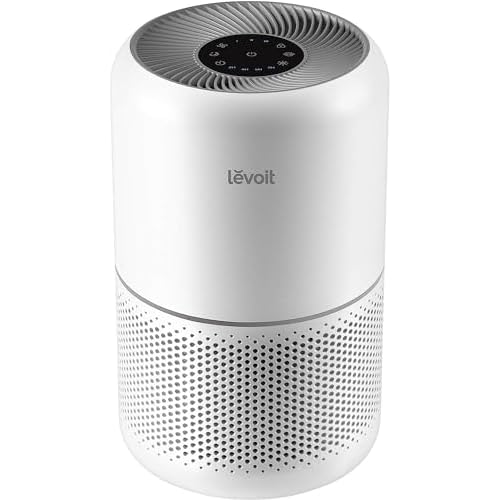
Investing in air purifiers with HEPA filters can greatly enhance the cleanliness of your environment. These devices trap airborne particles, lessening the load on your surfaces. Ensure you position the purifier in areas of high traffic and consider using multiple units for larger spaces.
Frequent vacuuming with a model that includes appropriate attachments helps eliminate larger debris and prevents smaller fragments from settling. Pay attention to corners and under larger items, where smaller particles might accumulate unnoticed.
Using rugs and mats at entry points can act as a barrier, capturing debris before it spreads across the room. Regularly washing these accessories will maintain their efficacy and contribute to a cleaner overall space.
Incorporating houseplants can also be beneficial. Some species naturally filter indoor air and can absorb particulate matter, creating a more pleasant atmosphere. Research which plants thrive indoors and fit your lifestyle for a dual-purpose solution.


Finally, consider the materials of your surroundings. Opt for surfaces that naturally resist particle accumulation. Smooth finishes typically require less maintenance and make cleaning more straightforward.
Strategies to Minimize Particulate Accumulation on Surfaces
Regularly utilizing microfiber cloths for cleaning drastically reduces the amount of microscopic particles settling on surfaces. These cloths trap finer particles better than traditional materials. A slightly damp cloth works optimally as it captures more debris without dispersing it into the air.
Implement Air Purifiers
Employing air purifiers equipped with HEPA filters assists in significantly lowering airborne particles. This setup helps to filter out common allergens and particles, keeping the environment cleaner and reducing the need for frequent cleaning sessions.
Limit Clutter
Minimizing items on surfaces significantly decreases resting places for airborne particles. Fewer items lead to easier cleaning and less surface area for accumulation. Regularly assessing personal belongings and donating unused items can contribute to a tidier space.
Choosing Dust-Resistant Materials for Furniture
I prioritize materials that have smooth surfaces, as they attract less particulate matter. For instance, wood finishes such as lacquer or polyurethane provide a hard, glossy surface that minimizes accumulation. Additionally, opting for metals like stainless steel or aluminum is advantageous due to their non-porous properties, which do not trap particles easily.
When selecting fabrics, I choose synthetic options like microfiber, which are tightly woven and less likely to harbor allergens. Leather is also a superb alternative since its surface can be wiped clean effortlessly. If I consider upholstery, I look for finishes that repel rather than absorb dust and dirt.
Another fundamental aspect is the design. Minimalist styles with clean lines have fewer crevices where debris can accumulate. I favor modular pieces that allow for easy disassembly, making routine cleaning simpler and more efficient.
Lastly, investing in closed storage solutions, like cabinets with solid doors, keeps items out of sight and significantly reduces the necessity for constant cleaning while enhancing space aesthetics.
Daily Cleaning Routines to Minimize Dust Accumulation
I prioritize a consistent cleaning schedule that includes quick daily tasks, focusing on high-traffic areas. A microfiber cloth becomes my go-to tool for wiping surfaces, as it captures particles effectively without dispersing them back into the air.
I sweep or vacuum floors each day and make sure to use an appropriate attachment for upholstered surfaces. This not only removes larger particles but also prevents them from settling on various surfaces.
I dedicate time each day to declutter surfaces, ensuring that small items do not collect debris. I maintain a minimalist approach by keeping only essential items on tables and shelves, which eases my cleaning process.
I also incorporate air purification into my routine, running devices in frequently used spaces to filter airborne particles. This reduces the need for constant surface cleaning.
I regularly wash textiles such as curtains and cushion covers, as these items often gather unwanted particles. Let’s not forget about pet grooming. A few minutes each day brushing my pets significantly decreases the presence of fur and allergens around the home.
I find it beneficial to establish a no-shoes policy in my living areas to minimize the transfer of outdoor particles inside. This sets a clear boundary for cleanliness, making my daily tidying more manageable.
Finally, I set a reminder for weekly cleaning tasks, such as dusting overlooked surfaces and vacuuming under furniture. This routine creates a comprehensive system that keeps my living environment clean and welcoming.
Optimal Furniture Placement for Reduced Dust Exposure
Position large pieces away from vents and windows to minimize airborne particles settling. I place couches and armchairs at least a foot from walls to promote airflow, which helps prevent the accumulation of airborne particulates.
Grouping items in specific areas, like keeping bookshelves and decorative items away from high-traffic zones, decreases the likelihood of disturbances that can release fine particles. I create dedicated spaces for rarely used items, reducing their exposure to everyday motion.
Strategic Use of Rugs and Mats
Using rugs and mats can create boundaries for dirt accumulation. I opt for low-pile options that are easy to clean, ensuring minimal trap for finer particles. Placing mats at entry points also reduces tracking from outside, limiting the frequency of particle buildup on surfaces.
Vertical Space Utilization
Maximizing vertical space with wall-mounted shelves and cabinets allows me to keep horizontal surfaces clear. This strategy not only creates an illusion of more room but also reduces areas where particles can settle. Additionally, this makes cleaning straightforward, as I focus on fewer surfaces.
Implementing Air Purifiers and Filters in Your Home
Investing in air purification systems plays a significant role in maintaining a clean environment. Choose a high-efficiency particulate air (HEPA) filter that captures small particles effectively. Select devices suitable for the size of your rooms to ensure optimal performance.
Key Features to Consider
- CADR (Clean Air Delivery Rate): Look for a higher CADR rating, ensuring better air cleaning capability.
- Noise Level: Select models with low noise to maintain a peaceful atmosphere.
- Filter Replacement: Opt for purifiers with easily replaceable filters to simplify maintenance.
Placement Tips
- Position air purifiers in areas with high foot traffic, such as living rooms and entryways.
- Avoid placing devices in corners or behind furniture, as airflow can be obstructed.
- Ensure units are elevated slightly off the ground to maximize air circulation.
Routine monitoring and maintenance of air purification systems ensure they operate at peak efficiency. Regularly check filter indicators and replace filters as recommended by the manufacturer. This approach not only promotes a cleaner atmosphere but also contributes to overall health and well-being.
Regular Maintenance of HVAC Systems to Control Particulates
Schedule a professional inspection of HVAC systems at least twice a year. This will ensure filters are cleaned or replaced and ductwork is free from buildup. Use high-efficiency particulate air (HEPA) filters, as they trap smaller particles more effectively than standard ones.
Regularly clean the air vents and registers in your home. Dust accumulates here, which can circulate back into the living space. A simple vacuuming of these areas can significantly reduce airborne particles.
Monitor humidity levels in your home. Maintaining humidity between 30-50% can help minimize the circulation of particulates. Consider installing a whole-house dehumidifier to assist with this effort.
Implement a routine for cleaning fan blades and coils on your heating and cooling units. This prevents the spread of particulates during operation.
Engage in preventive maintenance by checking for leaks in ductwork. Sealing these gaps will enhance airflow efficiency and limit the intrusion of outside pollutants.
| Maintenance Task | Frequency | Tools Needed |
|---|---|---|
| Inspect and replace filters | Every 3 months | HEPA filters |
| Clean air vents | Monthly | Vacuum, microfiber cloth |
| Check humidity levels | Weekly | Hygrometer |
| Clean fan blades and coils | Biannually | Soft brush, vacuum |
| Inspect ductwork | Annually | Sealant, inspection camera |
Taking these steps will significantly improve indoor air quality and help maintain a cleaner environment. Regular system upkeep directly influences the accumulation of airborne particulates and contributes to overall wellbeing.
The Role of Humidity Levels in Dust Control
Maintaining indoor humidity levels between 40% and 60% significantly reduces particles in the air. Using a hygrometer can help monitor moisture content. If levels fall below this threshold, consider a humidifier to increase moisture. Conversely, if humidity exceeds 60%, utilize dehumidifiers to prevent condensation and mold growth, which can contribute to annoying particles.
Seasonal changes can affect moisture levels. In winter, heating systems often lower humidity; thus, adding water trays near radiators can be beneficial. During humid months, regularly check basements and crawl spaces to avoid excess moisture buildup.
Incorporate potted plants that naturally elevate humidity. Spider plants and peace lilies are effective in creating a more balanced environment. Keep them well-watered, and they will contribute to better air quality.
| Humidity Level (%) | Effect on Air Quality |
|---|---|
| Below 30% | Increased particles & static electricity |
| 30% – 40% | Optimal for comfort but still low |
| 40% – 60% | Ideal for minimizing particles and health benefits |
| Above 60% | Possible mold growth and discomfort |
Regular ventilation is crucial. Open windows during milder weather to refresh indoor air and control moisture levels. When cooking or showering, use exhaust fans to decrease humidity quickly and prevent accumulation of unwanted materials.
Utilizing Furniture Covers to Protect Against Dust
Invest in high-quality protective covers tailored for your seating and surfaces. Choose materials that facilitate breathability while providing a barrier against airborne particles. Look for covers that are both waterproof and machine washable for easy maintenance.
Ensure that the size fits snugly to prevent gaps where particles can enter. Adjustable features can enhance the fit, safeguarding against unwanted intrusion. Opt for covers with elastic hems or ties for a secure hold.
Custom covers add a personal touch, allowing you to select designs that complement your decor while keeping surfaces clean. Dual-purpose options, like decorative throws, provide aesthetic appeal and functional protection.
Incorporate slipcovers for upholstered pieces, allowing for a quick change and washing. Frequent laundering will maintain their effectiveness in keeping surfaces free from particles.
Regularly inspect covers for wear and replace them as needed to maintain their protective capacity. Storing these items when not in use can also keep them in prime condition, ready for deployment as necessary.
Seasonal Deep Cleaning Strategies for Dust Management
Implement a seasonal schedule for thorough cleaning to significantly reduce unwanted particles in living spaces. Aim for a detailed approach that focuses on specific areas during each season.
Spring Cleaning Focus
- Wash all linens, curtains, and fabric-covered items. Opt for a hot wash cycle to eliminate allergens.
- Deep clean carpets and rugs using a steam cleaner to extract trapped particles. Consider professional services for maximum results.
- Dust and wipe down all hard surfaces, including baseboards, ceiling fan blades, and light fixtures, with damp cloths to prevent these particles from becoming airborne.
Summer Maintenance Tasks
- Thoroughly clean windows and screens to prevent build-up. A mixture of water and vinegar can effectively remove grime.
- Address outdoor areas. Sweep porches and patios, and regularly maintain landscaping to minimize external debris.
- Inspect HVAC systems and change filters monthly. A cleaner airflow reduces overall pollution from circulating air.
Fall Preparation Steps
- Prepare for the heating season by cleaning vents and radiators to ensure efficient operation and to reduce pollutants spread through the air.
- Store seasonal items in covered bins to protect them from grime accumulation during winter.
- Conduct a thorough inventory of cleaning supplies and replenish as needed to keep cleaning processes efficient.
Winter and Indoor Air Quality
- Utilize a humidifier to maintain optimal moisture levels, which can help settle airborne particles and improve overall air quality.
- Schedule regular cleanings for upholstered seating to maintain freshness and reduce allergens.
- Consider using air purifiers with HEPA filters during colder months to manage particles in closed environments.




