
 Caleb Turner

Begin by selecting a quality primer and a carefully chosen tint that mimics the natural hues reminiscent of aged masterpieces. Preparing the surface thoroughly is key; clean and lightly sand any glossy areas, ensuring optimal adhesion. Allow the first coat to dry completely before layering on additional applications for a more profound depth.
Next, apply your chosen finish. Create a subtle worn effect using a damp cloth, carefully wiping back sections to reveal the underlying color. This technique enhances the dimensionality of your project, lending it an authentic, vintage allure.
To seal the transformation, choose a high-quality finishing agent. A soft brush is ideal for applying this protective layer evenly, enhancing the richness of colors while preserving the textured appearance. Allow ample time to cure before placing your newly styled items into use, ensuring the longevity of your creative efforts.
Creating a Vintage Look with Paint and Finishing Medium
Choose a high-quality primer that will prepare the surface effectively. I prefer using a matte or eggshell primer for a smoother base. Apply one or two even coats, ensuring full coverage before moving on.
For the base layer, select your desired color. I usually opt for muted shades that resemble aged hues, such as soft blues or warm creams. Use a wide brush or a foam roller to achieve a consistent finish. Allow it to dry completely, which can take a couple of hours depending on humidity.



To achieve an aged effect, layer a second shade gently. This contrasting color should be darker or grayer than the base. Use a dry brush technique, lightly dragging the brush across the surface to create a subtle layered look. Pay attention to edges and corners where wear would naturally appear.
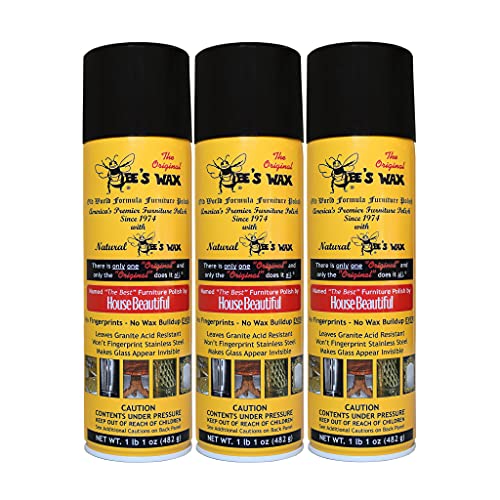
Once I’m satisfied with the layered look, I apply a finishing product. A quality finishing wax works beautifully for this step. Using a clean cloth, I rub the wax into the surface in small sections, allowing it to penetrate. After setting for a while, buff away excess with a soft cloth for a nice sheen.
For enhanced depth, consider using a glaze. Mix it with a little water for a more transparent application. This allows me to control how pronounced the aged effect is. Apply with a brush, focusing on crevices and intricacies of the piece.
For a subtle sheen and protection, I always seal my work with a topcoat, making sure it suits the look I’m going for – matte or satiny. This final touch not only enhances durability but also complements the overall aesthetic.
After everything is complete, it’s helpful to let the piece cure for a week before use. This ensures all products fully bond, leading to a long-lasting finish.
Choosing the Right Chalk Paint for Antiquing
For achieving a genuine vintage look, select a matte finish product. This type of coating resembles the old-world charm and allows for subtle imperfections to shine through.
Key Attributes to Consider
Prioritize the following characteristics in your selection:
- Opacity: Choose options that provide ample coverage in one or two coats.
- Adhesion: Look for formulations that adhere well to various surfaces without requiring extensive priming.
- Ease of Application: A smooth consistency ensures effortless brushing and minimizes streaks.
- Drying Time: Opt for fast-drying varieties to speed up your project’s progress.
Color Palette Recommendations
Soft neutrals like taupe, cream, or pale gray work exceptionally well, providing an authentic aged appearance. Consider deeper shades like charcoal or navy to create striking contrasts when layering.
| Feature | Recommended Options |
|---|---|
| Finish | Matte |
| Opacity | High Coverage |
| Adhesion | Multi-Surface Friendly |
| Colors | Neutrals and Deep Tones |
| Drying Time | Quick-Drying |
Testing your chosen hue on a small area before committing to a larger surface can prevent disappointments. This preliminary step helps visualize the final effect under different lighting conditions.
Preparing Your Furniture for Painting
Begin by cleaning the surface thoroughly. I use a mixture of warm water and mild soap, scrubbing to eliminate dust, grease, and any residues. For stubborn stains, a gentle abrasive cleaner works effectively without damaging the wood.
Next, inspect for imperfections. I patch up any holes or scratches with wood filler, ensuring a smooth surface. After the filler dries, I sand the area lightly to blend it seamlessly with the surrounding wood.
If the piece is previously finished, I lightly sand the entire surface to help the new layers adhere better. This step creates a rough texture that allows the new coating to grip securely.
After sanding, I wipe down the piece with a damp cloth to remove all dust particles. A clean surface is crucial for a flawless finish.
If the furniture is particularly glossy or has a thick layer of old finish, applying a primer can help achieve better results since it aids in adhesion.
Lastly, I ensure all hardware, such as knobs and handles, is removed or covered to keep them free from any unwanted layers. Proper preparation is key to achieving a beautiful, long-lasting outcome.
Applying the Base Coat of Chalk Paint
Choose a high-quality, non-toxic formula for your base application. I prefer using a flat brush for even coverage. Pour a small amount into a tray, dip the brush, and start from the top of the piece, working my way down. This prevents drips and ensures a smooth finish.
Apply a thin layer, using long strokes to minimize brush marks. Be mindful of corners and edges, ensuring the paint fills those areas without excessive buildup. Allow the initial coat to dry completely, usually around 30 minutes to an hour, depending on climate. If the surface still appears uneven or patchy, a second coat may be necessary.
After the second application, check for imperfections. Sand lightly between coats using a fine-grit paper for an ultra-smooth texture. Wipe away any dust with a damp cloth to prepare for the next steps. This process is vital for achieving a polished look once the final protective layer is added.
Techniques for Creating an Antique Finish
Layering is key. I begin by applying multiple thin coats of the chosen finish to achieve depth. Each layer should dry completely before the next application. This method allows for a richer, more complex appearance.
Distressing adds character. I use sandpaper or a sanding block to gently rub surfaces, focusing on corners and edges where wear naturally occurs. This technique highlights the underlying material, creating a well-loved look.
For added dimension, a dry brush technique works wonders. I dip a brush lightly in a contrasting hue and wipe most of it off before lightly brushing over raised areas. This simulates the wear seen on antique items.
Incorporating a glaze can enhance texture. Mixing a glaze with a tint can be applied over the dry finish. I ensure it settles into crevices and wiped off excess to create shadows and highlights.
A final layer of sealant will protect the finish while giving it that authentic sheen. I choose a matte or satin seal, depending on the desired look.
- Multiple thin coats for depth.
- Distressing with sandpaper for authenticity.
- Dry brushing for highlights.
- Using glaze for dimension.
- Seal with a protective finish.
Experimenting with these techniques allows me to personalize each piece, ensuring a unique and beautiful outcome.
Understanding Wax Types and Their Uses
For achieving a desired finish, choose between natural and colored waxes. Natural wax provides a clear protective layer, enhancing the surface’s existing hues. It’s ideal for pieces where the original coloration should shine through. Conversely, tinted wax adds depth and richness, allowing for customized shades, fitting seamlessly into the antiquing concept.
Natural Wax
Opt for pure beeswax or carnauba wax for a subtle glow. Application is straightforward: use a clean, soft cloth or brush, working it into the surface in circular motions. Allow it to dry for a few moments before buffing for shine. This type excels in highlighting textures, particularly in finely crafted designs.
Tinted Wax
Choose tinted options if aiming for a more dramatic effect. These products often include pigments that can evoke an aged or faded look. Apply sparingly, focusing on crevices and corners where natural wear would occur. Wipe off excess to prevent overwhelming the piece with color. The result will resemble a time-worn aesthetic, perfectly suited for a vintage appearance.
Applying Wax for That Vintage Look
Before starting, ensure the painted surface is completely dry. I prefer using a soft, lint-free cloth or a natural bristle brush for applying wax. Dip the cloth or brush into the wax, making sure to remove excess product. A little goes a long way, so start with a small amount.
Work the wax into the surface using a circular motion. Focus on one section at a time, allowing the wax to penetrate the painted layer. Make sure to cover all edges and details to enhance the texture.
After application, let the wax sit for anywhere between 10 to 30 minutes to allow it to cure slightly. Then, buff the surface using a clean, dry cloth to achieve a subtle sheen. Apply more pressure in areas where you want a higher gloss.
For added depth, you can apply a second coat after the first has fully cured. This will enrich the appearance and give a more pronounced vintage character.
To maintain the finish, reapply wax every few months, depending on usage. Regular maintenance prevents dullness and preserves that charming antiquated look.
- Choose a clear or tinted wax based on your desired effect.
- Test different wax brands to find your preferred consistency and finish.
- Use a brush for intricate details and a cloth for larger areas.
Pay close attention to the furniture’s contours and carvings; these areas often benefit from a more generous application to highlight their uniqueness. This approach not only enhances beauty but also protects the surface from wear and tear.
Finally, remember that practice leads to mastery. Experiment with various techniques and finishes until you find the right look for your piece.
Sealing Your Antique Finish for Longevity
To protect the aged appearance I’ve created, applying a topcoat is crucial. I recommend using a water-based polyurethane for durability without altering the vintage aesthetic. Choose a matte or satin finish to maintain that soft, worn look.
Before application, ensure the surface is clear of dust and debris. Lightly sand the finish with a fine-grit paper (around 220 grit) to promote adhesion. Wipe away any dust particles using a damp cloth. Allow the surface to dry completely.
Application Technique
Using a high-quality synthetic brush or a foam applicator, apply the polyurethane in thin layers. Start at one corner and work your way across, following the grain of the material. Avoid over-brushing, as it can lead to streaks. After the first coat, let it dry for at least two hours before lightly sanding again to ensure a smooth surface.
Apply a second coat for added protection. I usually recommend three coats for high-use pieces, allowing adequate curing time between each application. For optimal results, let the final coat cure for at least 24 hours before using the piece.
Additional Tips
For extra shine without losing the vintage feel, consider buffing the surface lightly after the final coat has dried. A soft cloth works well for this. Regular maintenance, such as dusting and occasional reapplication of the topcoat, will help preserve the look for years to come.
By sealing effectively, I ensure that my carefully crafted finish remains protected against everyday wear and tear, enhancing its character over time.
Tips for Maintenance of Antiqued Furniture
Regular dusting is crucial. I use a soft, lint-free cloth to gently remove dust, which helps maintain the aesthetic appeal and prevents buildup.
Avoid direct sunlight. Positioning my pieces away from windows or using sheer curtains minimizes fading and discoloration.
Cleaning Techniques
For occasional cleaning, I mix a mild soap solution with water. I lightly dampen a cloth and wipe surfaces, ensuring not to saturate the wood or finish. Follow up with a clean, dry cloth to prevent moisture damage.
Periodic Wax Application
To restore shine and protection, I reapply wax every 6 to 12 months. Using a soft applicator, I work the wax in circular motions and buff it until the surface shines. This process also helps conceal minor scratches.
FAQ:
What type of chalk paint is best for antiquing furniture?
When choosing chalk paint for antiquing furniture, it’s recommended to opt for a high-quality brand that provides good coverage and a smooth finish. Look for paints that specifically mention ease of application and adhesion to various surfaces. Popular brands include Annie Sloan, Rust-Oleum, and FolkArt. Each of these has a range of colors that can add depth and character to your furniture piece. Testing a small area first can help determine which paint works best for your project.
How do I prepare my furniture before applying chalk paint?
Preparing your furniture is a crucial step for achieving the best results. First, clean the surface thoroughly to remove any dust, grease, or old wax. If the furniture has a glossy finish, sanding it lightly will help the paint adhere better. For heavily stained or varnished surfaces, using a deglosser can be effective. Once cleaned and dry, consider applying a primer if the original color is very dark or if you are working with a slick surface. This ensures that the chalk paint goes on smoothly and achieves the desired color.
What technique should I use to apply wax after painting with chalk paint?
Applying wax after using chalk paint can enhance the finish and provide protection. It’s best to use a natural bristle brush or a clean cloth to apply the wax. Start by taking a small amount of wax and spreading it evenly over the painted surface using circular motions. Allow the wax to sit for about 10-20 minutes before buffing it off with a soft cloth to achieve a soft sheen. Make sure to work in small sections to ensure that the wax is applied consistently and buffed out properly. This technique helps to accentuate the painted texture and creates a vintage look.
Can I use chalk paint on all types of furniture?
Chalk paint can be applied to most types of furniture, including wood, metal, and even some plastics. However, the type of surface will determine the preparation required. For wooden furniture, ensure it’s clean and sanded if needed. Metal surfaces should be rust-free and well-cleaned. For plastics, a primer may be necessary to help the paint adhere properly. It’s advisable to test a small area first to see how the paint adheres and appears before committing to the entire piece.
How long does it take for the chalk paint and wax to dry completely?
Chalk paint typically dries quickly, usually within 1-2 hours, but it’s important to follow the manufacturer’s recommendations on the paint can. After applying the chalk paint, allow it to cure for at least 24 hours before applying wax. Once wax is applied, it should cure for several days to achieve a fully hardened finish. Depending on the humidity and temperature of your workspace, drying times might vary, so it’s wise to allow extra time if conditions are not ideal.


