
 Caleb Turner
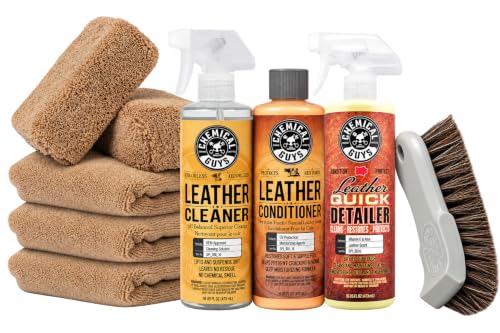
Every three to six months, it’s advisable to treat the upholstery made of animal hide with a quality conditioner. This regimen helps in preserving its softness and preventing cracks due to dryness. If the space is subject to high humidity or direct sunlight, a more frequent application–about every two to three months–can be beneficial.
Spot cleaning is key. I recommend addressing any spills or stains immediately with a microfiber cloth to avoid permanent damage. For a general clean, using a damp cloth with a mild soap solution can be suitable. This should be done monthly or at least every couple of months to keep the surface looking fresh.
Evaluating the condition regularly is also critical. If the texture feels rough or looks dull, it may indicate that it’s time for a touch-up with a specialized product. Ultimately, these practices are not just about aesthetics; they significantly extend the life of your investment.


Frequency of Cleaning and Conditioning Leather Upholstery
I recommend performing maintenance on upholstery every 6 to 12 months to retain its quality. Regular assessments of the surface are crucial; if signs of dirt or wear arise sooner, act immediately. Avoid prolonged intervals between maintenance sessions to prevent damage.
Effective Routine Steps
Create a habit of dusting weekly with a soft cloth to eliminate particles. In addition, test any conditioned solutions on an inconspicuous area prior to general application to ensure compatibility with the material.
| Task | Frequency |
|---|---|
| Dusting | Weekly |
| Deep cleaning | 6-12 months |
| Conditioning | 6-12 months |
| Spot cleaning | As needed |
Additional Considerations
If exposed to direct sunlight, consider increasing maintenance frequency as UV rays may cause premature deterioration. Climate also plays a role; dry environments may necessitate more frequent moisturizing treatments to combat cracking.
Understanding the Importance of Regular Leather Care
I recommend performing maintenance routines regularly to prolong the lifespan of your pieces. Neglecting the upkeep can lead to premature aging and damage, reducing the appeal of these investments.
Cleaning removes dust, dirt, and oils that accumulate over time, which can dull the surface and cause discoloration. Additionally, using appropriate treatments restores moisture that the material naturally loses, preventing cracking and stiffness.
Protecting from Environmental Factors
Environmental conditions such as sunlight, humidity, and air quality play a significant role. Direct sunlight can fade colors, while dry air can strip moisture. Applying protective creams creates a barrier against these elements, ensuring the integrity of the hide remains intact.
Enhancing Aesthetic Value
Regular upkeep not only maintains functionality but also elevates the visual appeal of items. A well-cared-for surface retains its luster and richness, ensuring that the aesthetic value continues to draw admirers. This attention to detail showcases commitment to quality, making any space feel inviting and luxurious.
Signs That Indicate Your Leather Furniture Needs Cleaning
Noticeable stains or marks on the surface are a clear indicator that immediate action is required. These blemishes can vary from food spills to water spots, which, if left unattended, can lead to deeper damage.
Another sign is the presence of a dull or faded appearance. When the natural sheen begins to fade, it suggests that the protective layer is compromised, necessitating attention.
Cracking and Dryness
Observing cracks or dry patches on the surface often indicates a lack of moisture retention. This can happen when protective treatments are not reapplied periodically, leaving the material susceptible to wear.
Odors and Sensitivity
An unusual smell emanating from the seating can suggest accumulated dirt and oils that need addressing. Additionally, if the texture feels rough or sticky to touch, it’s time to refresh the surface for better comfort.
Recommended Cleaning Frequency for Different Types of Leather
Smooth leather requires maintenance at least once every six months. This involves wiping down surfaces with a damp cloth and applying a suitable conditioner to retain moisture.
Suede, being more delicate, calls for a more cautious approach. I usually treat it every three to four months using a specialized brush to remove dust, followed by a protective spray to help prevent staining.
Aniline leather, known for its natural finish, benefits from less frequent attention, roughly every six months. I focus on using a soft cloth and a mild cleaner to preserve its appearance without stripping away the natural oils.
Protected leather is quite resilient and can withstand more wear. A quarterly cleaning with a damp cloth along with occasional conditioning helps to maintain its durability and shine.
Nappa leather, luxurious and soft, typically should be treated every three months. I gently clean it with a mild soap solution, ensuring to dry it thoroughly afterward.
By tailoring the care routine to the specific type, I can significantly prolong the life and beauty of each piece, making sure that maintenance aligns with the unique characteristics of the material.
Choosing the Right Products for Leather Maintenance
Select products specifically designed for various types of hide, like aniline, semi-aniline, or protected leather. Reading labels ensures compatibility and prevents damage.
Types of Products
- Cleaner: Use a gentle, pH-balanced solution to eliminate dirt without stripping natural oils.
- Conditioner: Opt for a product rich in natural oils and waxes to nourish and protect surfaces.
- Protector: Consider sprays that create a barrier against spills and stains, providing additional defense.
Application Techniques
- Test any product on an inconspicuous area before full application to ensure it won’t cause discoloration or damage.
- Apply cleaners with a soft, lint-free cloth to avoid scratches, using gentle circular motions.
- For conditioning, slightly dampen the cloth to help the product absorb better and avoid excess buildup.
Storing products in a cool, dry place prolongs their effectiveness and shelf life. Avoid those with harsh chemicals or alcohol, as they can lead to cracking and dryness.
Step-by-Step Guide to Cleaning Leather Furniture
Begin with removing loose debris using a soft, dry cloth or a vacuum attachment with a brush. This initial step prevents scratching the surface during the subsequent cleaning process.
Gather Necessary Supplies
- Soft microfiber cloths
- Leather-safe cleaner
- Leather conditioner
- Distilled water
Cleaning Procedure
- Dampen a microfiber cloth with distilled water, ensuring it is not soaking wet. Use this to wipe down the entire surface.
- Apply a small amount of leather cleaner to a clean cloth. Gently rub it into the material using circular motions, focusing on any stained or heavily soiled areas.
- Wipe off any excess cleaner with a dry cloth. This step ensures no residue remains.
- After the surface dries, apply a leather conditioner to restore moisture and suppleness, using a different clean cloth.
Let the conditioner absorb fully, following the product instructions for the appropriate wait time. Afterwards, use a clean microfiber cloth to buff the surface gently.
Regular maintenance following this guide will significantly extend the life and appearance of your seating or decorative pieces made from animal hide.
How to Properly Condition Leather to Extend Its Lifespan
I recommend using a high-quality leather conditioner specifically designed for your type of upholstery. First, test the product on an inconspicuous area to ensure compatibility and avoid unexpected discoloration.
Prior to applying any conditioner, remove dust and debris with a soft cloth or brush. This step is crucial to allow the conditioner to penetrate effectively.
Apply a small amount of conditioner onto a clean, soft cloth. Always follow the manufacturer’s instructions regarding the amount to use. Gently massage the conditioner into the surface using circular motions. Pay extra attention to areas that experience more wear, such as seat cushions and armrests.
Allow the product to absorb completely. Depending on the conditioner, this may take anywhere from 15 to 30 minutes. Afterward, buff the surface with a different clean cloth to restore shine and remove any excess product.
For optimal preservation, this process can be repeated every 6 to 12 months, adapting to your environment’s humidity levels and usage frequency. Ensuring your space is not too dry can help maintain the natural moisture within the material, thereby extending its life.
Monitor your pieces regularly for signs of dryness or cracking. If observed, additional conditioning may be required sooner than the typical interval.


