
 Caleb Turner

Opting for coordinated collections of baby essentials transforms the environment significantly. Rather than piecing together mismatched items, I found that selecting a complete ensemble creates a harmonious aesthetic that flows seamlessly. Each component is thoughtfully designed to complement one another, eliminating the guesswork and time spent on searching for compatible pieces.
The benefits extend beyond mere visual appeal. These arrangements come with practical solutions to space management, catering to both storage and functionality. I have noticed that a well-planned combination of cribs, changing tables, and storage units maximizes the area while providing all necessary features conveniently close at hand. This organization simplifies daily routines, making them more manageable and enjoyable.
Choosing a single theme resonates well beyond appearance. It influences the atmosphere of the entire area, nurturing a serene environment conducive to rest and play. In my experience, a cohesive selection fosters a sense of calm and comfort, essential for both parents and children. By prioritizing style and usability through these carefully curated combinations, the task of creating a peaceful sanctuary becomes effortlessly achievable.

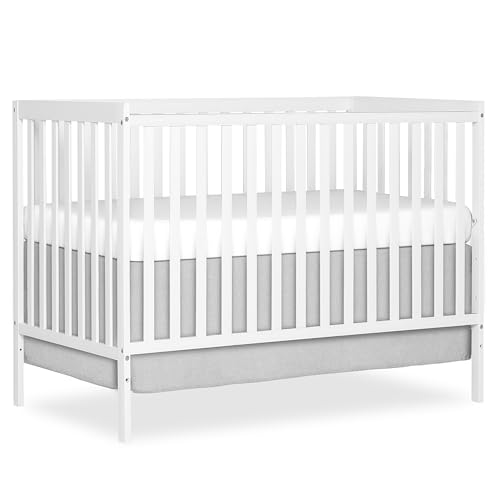

Creating a Cohesive Look
To achieve a harmonious ambiance, select a collection that combines key elements like crib, changing table, and storage solutions. Coordinated styles streamline the visual experience, allowing for more focus on functionality rather than clashing aesthetics.
Utilizing Multi-Functional Pieces
Opt for elements that serve dual purposes. For example, a changing table can transition into a stylish dresser, extending its usability. This not only saves space but also reduces the effort needed to integrate new items into the space over time.
Choosing Complementary Colors
Coordinated palettes ensure the items work together seamlessly. Neutral tones paired with soft pastels promote a calming environment, perfect for nurturing and relaxation. Create a chart to visualize color combinations before making purchases.
| Color | Complementary Shade |
|---|---|
| Soft Blue | Warm Grey |
| Mint Green | Peach |
| Light Yellow | White |
Selecting set options removes the guesswork, creating a cohesive atmosphere while promoting easy navigation and arrangement throughout the space. This approach not only optimizes harmony but also enhances the overall functionality for parents and little ones alike.
Choosing the Right Color Palette for Nursery Furniture
Opt for soft pastels like mint green or pale yellow. These hues contribute to a calming atmosphere that promotes restfulness. Consider pairing these shades with warm neutrals such as beige or soft gray to create balance.
Accent Colors
Incorporate accents through accessories like cushions or wall art. For instance, a splash of coral or navy can add character without overwhelming the space. Limit bright colors to smaller details to maintain a serene environment.
Gender Neutrality
Select shades that transcend traditional gender-specific colors. Shades like light teal and muted lavender are versatile choices that work well regardless of the child’s gender. This approach enhances flexibility for future updates as tastes evolve.
Ensure consistency across items for a cohesive look. Match the hues of shelving, changing tables, and cribs to create a unified theme. This invites a more organized feel that makes the space inviting and pleasant.
Test paint colors in the room under different lighting to see how they change throughout the day. Natural light can alter perceptions of color, so assess during peak hours.
Finally, consider the emotional impact of colors. Cool shades promote tranquility, while warmer tones can invigorate a lively atmosphere. Choosing wisely ensures the space feels right for both the child and caregivers.
Maximizing Space with Multi-Functional Furniture
Opt for pieces that serve multiple purposes. For example, a crib that transforms into a toddler bed extends its usability, saving both space and money. Choose storage ottomans or benches that provide seating while offering hidden compartments for toys and essentials.
Consider adjustable shelving that can accommodate books and decorative items. This keeps surfaces clear and maximizes floor area. Selecting a changing table that includes drawers can streamline daily routines and enhance accessibility.
Invest in a crib with built-in storage options. These designs not only offer a safe sleep space but also help in organizing necessities within arm’s reach. Look for items that can be used in different stages of childhood, such as a rocking chair that provides comfort now and becomes a stylish piece in a playroom later.
Implement wall-mounted solutions, like hooks or racks, which free up valuable floor space. This arrangement can keep frequently used items close at hand without cluttering the area.
Arranging furniture strategically is key. Place larger pieces against walls to open up the central area, creating an illusion of more room. Maintain a cohesive style through similar materials and colors to ensure that the space feels unified and organized.
Creating a Cohesive Theme with Matching Sets
Selecting complementary items is key to creating a unified atmosphere in a child’s area. I prioritize coordination between pieces, as this enhances aesthetic appeal and functionality.
Here are strategies I apply to achieve this cohesion:
- Consistent Materials: I ensure that the materials used across all items harmonize. For instance, pairing wooden elements with soft fabrics creates a comfortable look.
- Unified Styles: Sticking to a specific style, whether it be modern, classic, or whimsical, helps maintain a consistent theme. I choose pieces that reflect the same aesthetic to avoid visual dissonance.
- Matching Colors: I select a color palette and apply it uniformly across all elements. This can include complementary hues in bedding, storage, and decorative fixtures.
Incorporating Accessories
Accessories play a significant role in reinforcing the chosen theme. I opt for decor items, such as wall art or rugs, that echo the colors and styles of larger pieces, pulling everything together seamlessly.
Adjustable Elements
I appreciate items that can adapt as the child grows. Choosing versatile designs that can transition with age assures that I maintain the cohesive theme while accommodating changing needs.
Implementing these strategies consistently creates a harmonious environment that not only looks appealing but also feels intentional and well-planned.
Easy Maintenance and Durability of Nursery Furniture
I prioritize the ease of upkeep and longevity in essential items for a child’s space. Selecting materials like solid wood or composite options enhances resistance to wear. Regular cleaning with gentle soap and water helps maintain their appeal without damaging surfaces.
Look for finishes that are non-toxic and easy to wipe clean, as spills are inevitable. I suggest avoiding intricate designs that accumulate dust, opting instead for smooth lines that facilitate quick cleaning.
Check for scratch-resistant coatings; these significantly lower the chance of visible marks over time. Investing in removable cushion covers can allow for quick washing, preserving both appearance and hygiene.
I recommend researching brands that offer warranties, indicating confidence in their durability. A focus on quality can save money in the long run, as superior items will withstand the rigors of daily use.
Lastly, consider designs with fewer moving parts. This limits wear and tear, ultimately prolonging the lifespan of each piece within the collection.
Understanding Safety Standards in Nursery Furniture Sets
Choose options that comply with ASTM, CPSC, and other relevant safety regulations. These standards ensure that the products are rigorously tested for safety, minimizing potential hazards for infants and toddlers.
Material Selection
Opt for non-toxic materials to avoid harmful chemicals. Solid wood is preferable over particleboard, as it often has fewer off-gassing issues. Additionally, look for finishes that are lead-free and water-based, ensuring a safer environment.
Design Features
Assess features like rounded edges and secure fastenings. Products must be designed to prevent tipping or collapse. Consider models with adjustable height settings and stability features, which enhance safety as your child grows. Ensure that any convertibility mechanisms are simple yet secure to prevent misuse.
Regularly check for recalls on any purchased items. Staying informed protects your child from defective products that could lead to accidents. Prioritize brands with transparent safety practices and readily available customer service for safety inquiries.
Budget-Friendly Tips for Purchasing Nursery Furniture Sets
Start by exploring second-hand options. Thrift stores, online marketplaces, and local classified ads often hold hidden gems at a fraction of the retail price. Check the condition carefully and be on the lookout for sturdy pieces with a bit of character.
Consider Multi-Use Items
Invest in items that serve multiple functions. A crib that converts into a toddler bed or a changing table that doubles as a dresser saves money and space. This allows for longer usage, reducing the need for replacements.
Seasonal Sales and Discounts
Timing purchases strategically can lead to significant savings. Holidays such as Black Friday or end-of-season sales often provide excellent discounts on various items. Sign up for newsletters from retailers to stay informed on promotions.
Explore flexible payment options like layaway plans or financing from stores. This approach allows spreading the cost over several months without straining your budget.
Research brands that offer good quality at lower price points. Reviews can help identify trustworthy manufacturers known for durability without the high price tag.
Finally, prioritize what truly matters. Focus on essential pieces first, then gradually add non-essential items as the budget allows. This ensures that spending remains manageable while creating a comfortable space.
FAQ:
What are the benefits of using nursery furniture sets for a child’s room design?
Nursery furniture sets offer coordination and aesthetic appeal, as all pieces are designed to match each other. This helps create a harmonious look that can make the room feel more relaxing. Additionally, these sets often include essential items like a crib, changing table, and storage solutions, simplifying the shopping process and ensuring that all needed furniture is included.
How can nursery furniture sets make it easier for parents to design a room?
When parents choose a nursery furniture set, they benefit from a cohesive design which minimizes the decision-making process. With complementary colors and styles, selecting accessories and decor becomes more straightforward, allowing parents to focus on creating a comfortable and functional space for their child without worrying about mismatched items.
Are there specific styles of nursery furniture sets that are more popular?
Yes, popular styles include contemporary, traditional, and minimalist designs. Each style caters to different aesthetic preferences and can reflect the overall theme of the home. For example, contemporary sets often feature clean lines and modern finishes, while traditional styles may incorporate ornate details and classic designs. Choosing a style that resonates with the family’s taste can help create a more personalized nursery.
How do nursery furniture sets help with space management in a child’s room?
Many nursery furniture sets are designed to maximize space efficiency. For instance, cribs with built-in storage or changing tables that can transition into dressers can save valuable room space. By selecting furniture designed with functionality in mind, parents can create an organized environment that meets their child’s needs while keeping the room uncluttered.
What should parents consider when choosing a nursery furniture set?
Parents should think about the safety, durability, and size of the furniture set. It’s essential to ensure that all pieces meet safety standards and materials are non-toxic. Durability is critical since children can be rough on furniture. Furthermore, the size of the set should fit well within the dimensions of the nursery to avoid overcrowding, allowing for safe movement throughout the room.
How do nursery furniture sets help in creating a cohesive room design?
Nursery furniture sets provide a well-coordinated selection of furniture that complements each other in style, color, and material. This eliminates the need for parents to spend time searching for individual pieces that match. With a complete set, the room has a unified look, which can make the design process simpler and more enjoyable. Additionally, these sets often include essential pieces like a crib, changing table, and storage options, ensuring that all the necessary furniture is present without the hassle of mismatched items.
What are the benefits of choosing nursery furniture sets over individual pieces?
Selecting nursery furniture sets can save time and reduce the stress associated with designing a nursery. Rather than trying to pair different items, a set ensures that everything fits together harmoniously. This can be particularly advantageous for new parents who may be overwhelmed with preparing for a baby. Additionally, furniture sets can offer better value for money compared to purchasing each item separately. Many sets are designed to be functional and grow with the child, incorporating features that can be adapted over time, such as convertible cribs. This versatility extends the use of the furniture beyond the nursery years.


