
 Caleb Turner

When pricing my gently used pieces, I typically start by researching similar items in local marketplaces and online platforms. Observing their condition, brand, and age gives me a clearer picture of what buyers are willing to pay. A practical approach involves comparing listings and taking note of average selling prices for comparable goods.
While considering a figure, I factor in the original purchase costs and any potential refurbishments done. This provides a baseline that ensures I don’t undervalue my possessions. For instance, if I invested $200 in a vintage chair, and after a professional upholstery job, I might approach a price point between $100 and $150, depending on the demand in my area.
Additionally, assessing the urgency to make a sale plays a role in my pricing strategy. If eager to declutter my space, I might opt for a more attractive offer. Conversely, if I’m willing to wait for the right buyer, a higher figure could be justified. Incorporating flexibility into my mindset often leads to a better transaction outcome.
Determining Price for Used Items
I recommend assessing the condition first. Inspect for scratches, dents, or wear that might affect value. Research similar items online; platforms like eBay or Craigslist are great for this. Take notice of any unique features, materials, or brand reputation that may enhance the asking price.
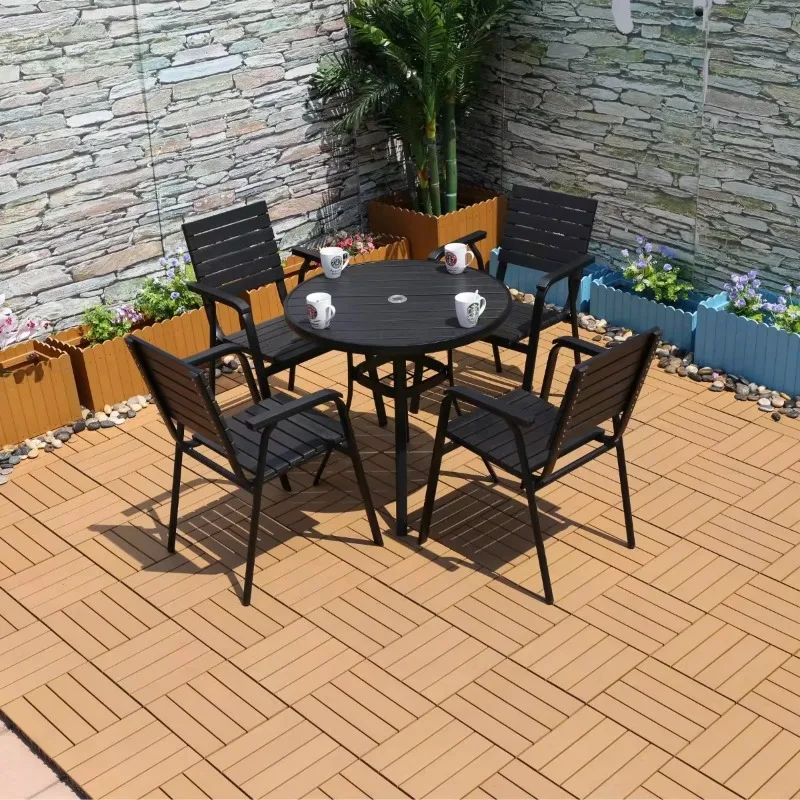


Next, consider local market demand. Are there many listings for similar items? If the market is saturated, it may necessitate a lower price to attract buyers. Conversely, if a particular style or brand is trending, you can set a higher value.
Pricing Strategies
Set an asking rate that reflects fair value–usually between 20% to 50% of the original cost, depending on wear and rarity. Offering discounts for items purchased in sets can entice buyers and facilitate quicker sales.
Lastly, stay open to negotiations. Many are willing to haggle. Starting slightly above your desired final price gives room for bargaining, ensuring you still achieve your financial goals.
Assessing the Condition of Your Furniture
I recommend examining various aspects of your items to determine their value accurately. Start with the overall appearance, checking for scratches, dents, or stains. Document these imperfections, as they can significantly impact pricing.
Next, evaluate the structural integrity. Ensure joints are stable, and surfaces align properly. For upholstered pieces, inspect the fabric for tears or fading, and check cushions for wear or sagging.
Consider the age and style as well. Vintage or antique pieces can attract higher prices, especially if they are in good condition. Keep an eye out for hallmarks or labels that indicate the manufacturer or designer.
Don’t overlook functionality. Ensure that items serve their intended purposes, such as drawers opening smoothly or doors closing properly. Repair any minor issues where feasible, as this can enhance value.
Lastly, reflect on market trends. Research similar items online or visit local thrift stores and consignment shops to gauge comparable pricing. This will provide context and help establish a fair asking price.
Determining the Original Value
To accurately gauge the original worth of your items, begin with thorough research. Gather information on the brand, manufacturer, and model. Online marketplaces and antique appraisal sites can serve as great resources.
Consider the following steps:
- Check receipts or original purchase documents: If available, they provide immediate insight into the initial investment.
- Investigate similar items: Explore auction results or resale listings to identify comparable pieces. Look for items of the same style, age, and condition.
- Examine brand reputation: High-quality brands often maintain their value longer. Research the reputation of the manufacturer to determine if it affects overall worth.
- Consider historical significance: Vintage or antique pieces from specific eras may hold more value due to trends or demand among collectors.
Summarizing characteristics like rarity, craftsmanship, and design can also provide clarity on worth. After reviewing all gathered data, you will be better prepared to set a competitive price, reflecting the true value of your possessions.
Researching Market Trends for Secondhand Furnishings
To accurately gauge pricing for your used items, I investigate online marketplaces and local listings. Platforms like Craigslist, Facebook Marketplace, and specialized apps provide real-time data on what similar pieces are currently listed and their selling prices. This helps establish a baseline for expectations.
Analyzing Comparables
I focus on comparing items that share similar characteristics: age, style, condition, and brand. By filtering search results based on these factors, I can pinpoint a reasonable asking price. Pay attention to listings that receive numerous inquiries or are marked as sold; they indicate more demand in the market.
Seasonal Considerations
Timing plays a significant role. I note seasonal trends that affect interest in various types of furnishings. For example, during college move-in periods, there’s often heightened demand for budget-friendly options. Conversely, holiday seasons may prompt buyers to seek out unique statement pieces. Adjusting the timing of my listing can enhance visibility and potential offers.
Comparing Prices on Online Marketplaces
To establish an optimal price for your items, I recommend checking multiple online platforms like eBay, Craigslist, Facebook Marketplace, and OfferUp. Each site may yield varying results based on audience demographics and specific regional demand.
Key Online Marketplaces
| Marketplace | Typical Price Range | Type of Audience |
|---|---|---|
| eBay | $25 – $500 | Global; collectors and casual buyers |
| Craigslist | $10 – $300 | Local; bargain hunters |
| Facebook Marketplace | $15 – $400 | Local; general community |
| OfferUp | $20 – $350 | Local; young buyers |
By examining these platforms, you will gain insight into the competitive landscape for your items. Pay attention to similar listings–specifically, their conditions and the time they take to sell. This can inform your decision about pricing strategy and help maximize potential profit.
Pricing Insights
Other factors can influence pricing, such as seasonal trends or local market saturation. Engage with listings in your vicinity and consider reaching out to sellers for insights on their experiences. Ultimately, a comprehensive market understanding enhances the likelihood of a successful transaction.
Understanding Local Demand and Supply
I find it crucial to assess local preferences before pricing items. Specific styles or materials may be in higher demand depending on regional trends. For example, mid-century modern pieces could attract buyers in urban settings, while rustic designs might appeal more to suburban families.
Analyzing Local Market Factors
Researching recent sales in the community reveals valuable insight. Visiting local thrift shops or online community boards gives me a clearer picture of what similar items attract. Joining local Facebook groups dedicated to buying and selling can offer real-time data on current interests and prices.
Evaluating Competition
Understanding what others are offering helps in strategically positioning my items. I often check listings in nearby areas to gauge how many competitors are present and what price ranges they establish. Additionally, seasonal fluctuations can influence demand; for instance, homeowners may seek patio sets in spring and summer, affecting pricing prospects.
By conducting thorough research on local demand and supply, I make informed decisions that align my sales strategy with buyer expectations and market conditions.
Evaluating the Costs of Refurbishment
Before determining a price, assessing refurbishment expenses is necessary. Start by listing required upgrades and repairs, which can include:
- Reupholstering seats
- Refinishing surfaces
- Replacing hardware
- Fixing structural issues
Next, gather quotes from professionals or calculate costs DIY. Typical costs to consider are:
- Upholstery services: $500 – $1,200 per piece
- Wood refinishing: $200 – $800, depending on the finish
- Replacement hardware costs: $50 – $200
- Structural repairs: $100 – $300
Also, factor in time invested if handling repairs independently. While I aim to enhance appeal, balancing refurbishment costs against potential selling price is crucial. Set a budget to avoid overspending and ensure the effort yields a profit.
Lastly, document the process with photos of before and after to justify higher asking prices. Evidence of care and attention significantly enhances buyer perception and can lead to better returns on investment.
Pricing Strategies for Quick Sales
Set a price that’s slightly lower than market value to attract buyers quickly. Aim for about 10-20% less than comparable items to create urgency.
Utilize bulk pricing to enhance attractiveness. If you have multiple pieces, offer discounts for purchases of sets. This not only increases the likelihood of a sale but can also minimize the effort required for individual transactions.
Consider seasonal adjustments. Certain items may sell better during specific times of the year; for instance, outdoor settings are more appealing in spring and summer. Adjusting prices based on demand can accelerate sales.
Enhance appeal with flexible payment options. Offering installment plans or accepting various payment methods can entice potential buyers who may be hesitant about the total price upfront.
Leverage social media for promotions. Highlight special deals or time-limited offers on platforms where prospective buyers are most active. Eye-catching visuals and engaging descriptions can significantly boost interest.
Incorporate feedback from past sales to refine strategies. If certain pieces received little interest despite competitive pricing, reassess the description, images, or medium of sale. Iteratively improve based on what resonates with buyers.
Lastly, stay willing to negotiate. Buyers appreciate flexibility, so consider setting the price with room to bargain. It often leads to quicker agreements and satisfying outcomes for both parties.
Setting Prices for High-Quality Furniture
Identify the quality of the item you have. For premium pieces, a range of 50% to 70% of the original price can be realistic. However, adjust this based on market trends and condition assessments. If the craftsmanship is exceptional, consider starting your asking price at 70% of the original value to attract serious buyers.
Brand Influence
Research the brand associated with the item. Recognized names often carry a premium price tag. Articulating the brand’s reputation can support a higher pricing strategy, as enthusiasts are willing to invest more in well-known makers.
Seasonal Timing
Certain times of the year can impact purchasing behaviors. Spring and summer often see increased demand for home goods, enabling potentially higher prices. Capitalize on these periods by pricing items to match heightened interest, ensuring visibility in local markets and online platforms.
Using Negotiation Tactics When Selling
Begin with setting a firm asking price that reflects the item’s value. Disclose a slight flexibility in your stance; this encourages potential buyers to engage in discussion. Always start higher than the minimum acceptable price to allow room for negotiation. Consider offering small incentives, such as free delivery or minor repairs, to close the deal more effectively.
Strategies to Enhance Negotiation
Utilize the following techniques for successful bargaining:
| Tactic | Description |
|---|---|
| Positive Body Language | Maintain an open and relaxed posture to foster a friendly dialogue. |
| Active Listening | Pay attention to the buyer’s needs and concerns, adjusting your approach accordingly. |
| Highlight Unique Features | Emphasize what makes your piece distinct, increasing its appeal. |
| Set Time Limits | Introduce urgency by suggesting limited-time offers to prompt quick decisions. |
Finalizing the Deal
Expect and prepare for counteroffers. Stay calm and view them as part of the process rather than an obstacle. Know your lowest acceptable price and stick to it. If negotiations stall, be prepared to walk away to show that you’re not desperate; confidence can negotiate a better outcome. Consider closing deals in cash to simplify transactions and avoid potential payment issues.
FAQ:
How can I determine the value of my old furniture?
To assess the value of your old furniture, start by researching similar items online through marketplaces like eBay, Craigslist, or Facebook Marketplace. Look for identical pieces or similar styles to gauge their selling prices. Factors such as the condition, age, brand, and materials can significantly impact value. Appraisal services or antique shops may provide professional assessments for high-value or vintage items. Don’t forget to factor in the costs of repairs or refurbishing if the furniture needs a little TLC before selling.
What are some tips for pricing furniture that I want to sell online?
Pricing furniture for online sale requires careful consideration. First, assess the current market by checking listings for comparable items. Consider your furniture’s condition—if it shows wear and tear, you may want to price it lower. Also, decide whether you want a quick sale or are willing to wait for the right buyer; this will influence your pricing strategy. Setting a competitive price while leaving room for negotiation is often an effective approach. Lastly, factor in shipping costs if applicable, as this can impact potential buyers’ decisions.
Is it better to sell furniture locally or online?
Choosing between selling furniture locally or online depends on your priorities. Selling locally through platforms like Craigslist or Facebook Marketplace often means you can avoid shipping hassles and associated costs. It also allows for direct interaction with buyers, which can lead to quicker sales. However, online sales through eBay or specialized furniture sites may reach a broader audience, potentially resulting in a higher selling price. Consider factors such as how quickly you want to sell, your willingness to deal with shipping logistics, and your location when making your choice.
What types of old furniture are in high demand?
Certain types of old furniture tend to attract buyers more than others. Vintage and mid-century modern pieces, for example, are often sought after for their unique designs and quality materials. Antique furniture, particularly items made from solid wood or with historical significance, also typically holds high demand. Items like dressers, bookshelves, and dining tables often perform well in sales. Keep an eye on trending styles within the furniture market to maximize your selling potential.
What should I do if my old furniture is damaged?
If your old furniture has damage, consider a few options before deciding to sell. Minor repairs, such as fixing scratches or reupholstering, can increase the selling price significantly. If the damage is extensive, you may need to lower your price accordingly or sell it as-is for parts or restoration projects. Be honest about the condition in your listings, as transparency can build trust with potential buyers. Alternatively, donating damaged furniture to charities or recycling centers can also be a good option if you don’t want to go through the selling process.
How do I determine the price for my old furniture?
To determine the price for your old furniture, you can start by assessing its condition. Check for any damage or wear, as this will influence the value. Research similar items online through platforms like eBay, Craigslist, or local classifieds to see what comparable pieces are selling for. Additionally, consider the brand and quality of the furniture; well-known brands often retain more value. If the piece has historical significance or is an antique, it may be valued higher. Don’t forget to factor in the original purchase price to help gauge depreciation.


