
 Caleb Turner

Set your prices between 20% and 50% of the original purchase amount. This percentage balances the condition and demand of the piece while ensuring buyers see value.
Assess condition accurately. If the item shows minimal wear, price it towards the higher end of your range. For pieces with noticeable damage or significant wear, lean towards the lower end. Use your discretion and be honest about the state of the item.
Research similar articles in your local market. Websites like Craigslist or Facebook Marketplace can provide valuable insight into current pricing trends. By checking listings for comparable items, you can position yours competitively to attract potential buyers.
Take high-quality photos and write detailed descriptions to justify your price point. Highlight unique features and any special qualities that might entice a buyer. Transparency about flaws also builds trust, enhancing the likelihood of a sale.
Incorporate seasonal trends into your pricing strategy. Demand may fluctuate based on time of year. For example, spring cleaning may boost interest, allowing you to place your pieces at a premium.
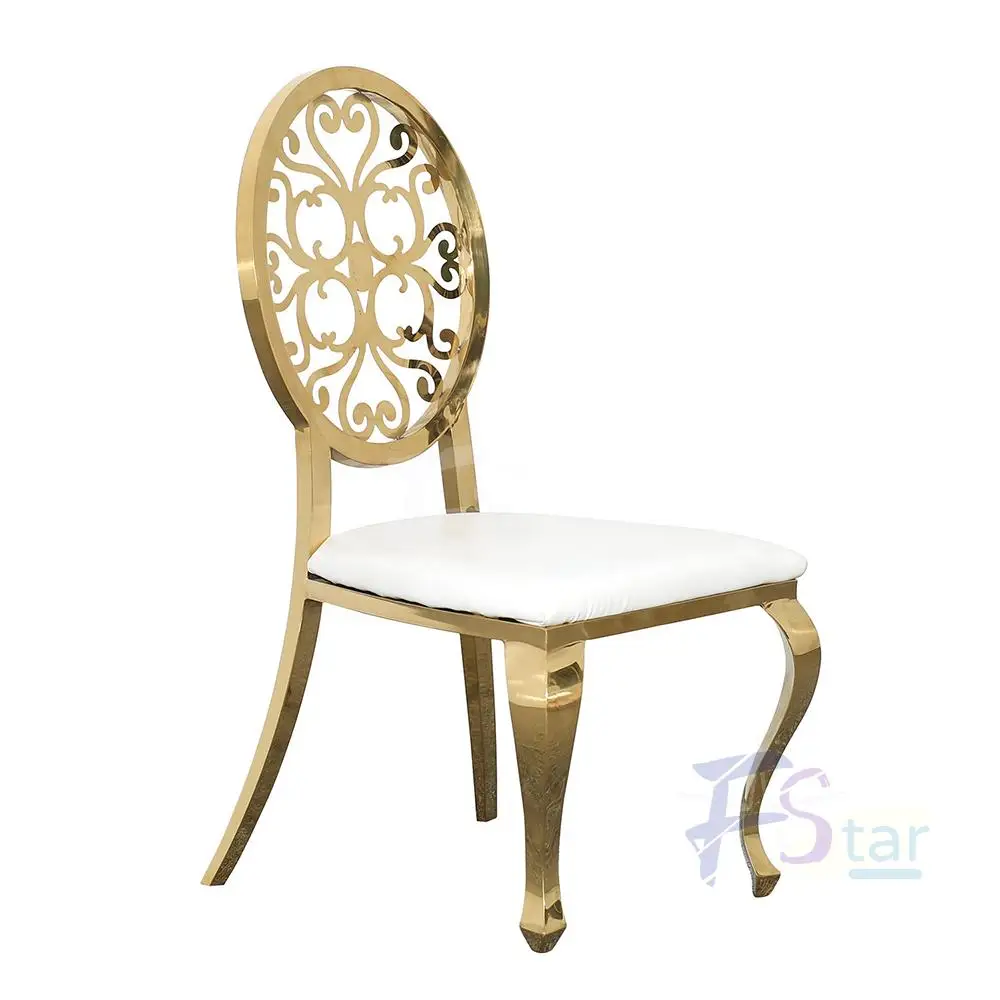
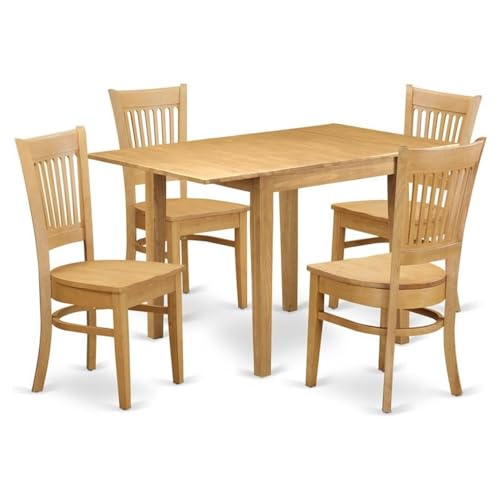

Assessing the Condition of Your Furniture
To accurately determine the selling price of your items, evaluate their state meticulously. Check for scratches, dents, and upholstery wear. These factors significantly influence perceived value.
Conduct a thorough inspection focusing on the following aspects:
- Material Quality: Examine wood grains and finishes. Solid wood retains higher value compared to particleboard or laminates.
- Structural Integrity: Test joints and connections for sturdiness. Items that wobble or creak may require repairs that decrease their worth.
- Upholstery Condition: Look for stains, tears, and fading in fabric or leather. Clean or repair options can enhance appearance but may require additional investment.
- Age and Style: Vintage or antique pieces can attract collectors. Research similar items to gauge interest and appropriate pricing.
- Functionality: Ensure drawers open smoothly, mechanisms work, and all elements operate as expected. Non-functional features should be disclosed.
Consider documenting flaws with photographs to provide potential buyers with a clear idea of what to expect. Transparency fosters trust and can lead to a more successful sale.
Based on this detailed assessment, adjust your asking price accordingly to reflect the condition while remaining competitive in the market.
Researching Market Prices for Similar Items
Begin by browsing online marketplaces like eBay, Craigslist, and Facebook Marketplace. Filter by your locality to identify comparable offerings. Pay attention to the age, brand, and style of each piece, as these factors significantly influence pricing.
Visit thrift stores and consignment shops to gather insights on retail prices for similar goods. This can provide a clear benchmark for your own pricing strategy.
Utilizing Online Tools
Explore apps and websites that provide valuation tools. By entering specific details about your item, you can receive rapidly generated comparisons that highlight current market trends.
Analyzing Recent Sales
Look for sold listings on platforms like eBay. This will reveal actual transaction prices rather than inflated asking rates. Focus on sales that resemble your piece closely in style and condition, which can offer the most relevant guidance.
Considering the Original Purchase Price
To set a fair rate for my second-hand items, I start by recalling their original retail value. This provides a baseline for my pricing strategy. If I purchased a sofa for $800, for example, that amount serves as a reference point.
Depreciation Factors
Next, I take into account how wear and tear has affected the item. Typically, I estimate that furniture depreciates about 20-30% each year. So, if my sofa is two years old, its value may have decreased to around $560-$640. This assessment must also reflect visible signs of usage, such as scratches or stains.
Market Relevance
After considering depreciation, I investigate what similar pieces sold in local marketplaces. This gives a sense of demand and helps adjust my expectations. If identical sofas are listed at $500, my adjusted price should align closely, unless unique features add more value.
Finding the Right Platform for Selling
I recommend starting with online marketplaces like Craigslist, Facebook Marketplace, and OfferUp. These platforms have a broad audience and allow for local sales, which can speed up the process. Listings are typically free, enabling you to maximize profit.
Consider specialized websites that cater to furniture sales such as Chairish or AptDeco. These sites often attract buyers specifically looking for unique pieces and may provide a better return if your items are in good condition.
Utilize social media channels by posting in local buy/sell groups. Engaging visuals and detailed descriptions can draw interested parties. Don’t underestimate the power of Instagram, where you can showcase your items attractively.
For a more traditional approach, local consignment shops can be a solid option. They handle the sales process but will take a percentage of the earnings. Visit shops in your area to understand their policies and commission structures.
Lastly, consider hosting a yard sale. This can create instant cash flow and helps you avoid shipping and listing fees associated with online platforms. Combine items to offer bundle deals attractive to buyers wanting to purchase multiple pieces.
Adjusting Prices Based on Demand and Season
Aligning my rates with current demand significantly enhances the chances of a swift sale. I monitor local trends. For instance, during college move-in periods or the summer season, interest often surges, allowing me to price items higher. Conversely, in winter or around holidays, demand typically drops, necessitating adjustments downwards.
Seasonal Adjustments
During spring and early summer, potential buyers are often eager to refresh their living spaces. I leverage this trend by slightly raising prices on popular items like patio sets or bedroom décor. Conversely, in colder months, I may offer discounts or bundle deals to attract interest.
Demand Fluctuations
Tracking online sales data can provide insights into which pieces are currently sought after. If I notice specific styles or colors trending, I adjust the pricing of similar items accordingly. Social media and local online marketplaces are invaluable resources for gauging buyer preferences.
By constantly adapting strategies based on the dynamics of supply and demand, I maximize the likelihood of selling my items at optimal rates.
Negotiation Tips for Selling Pre-Owned Items
Begin with a firm price to establish credibility. Present your asking amount confidently, as this sets a baseline for negotiations. Avoid starting too high; instead, choose a number that reflects both value and flexibility.
Be Open to Counteroffers
Listen attentively to potential buyers’ offers. This shows respect and willingness to engage in dialogue. If the initial offer is lower than anticipated, consider adjusting your expectations while maintaining your bottom line.
Highlight Key Features
Clearly articulate the positive aspects of your item. Focus on quality, craftsmanship, and any unique features that justify the price. Use descriptive language to create a compelling narrative around the item.
Stay calm and composed during discussions. If a buyer seems hesitant, ask open-ended questions to uncover their concerns. This approach helps me address issues and enhances the chances of a successful deal.
Conclude negotiations positively, regardless of the outcome. A courteous exchange leaves the door open for future interactions, even if a sale doesn’t happen at that moment.
FAQ:
What factors should I consider when pricing used furniture?
When pricing used furniture, consider several factors: the age and condition of the item, original retail price, brand reputation, and demand in your local market. It’s also helpful to look at similar items listed for sale to get a sense of competitive pricing. Assess whether any repairs or refurbishments are needed, which can affect the price. Additionally, think about how long you’re willing to wait for a sale, as this can influence how low you might be willing to go on price.
How can I determine the current market value of my used furniture?
To determine the current market value, start by researching online marketplaces like Craigslist, Facebook Marketplace, and eBay to see similar items and their prices. Pay attention to the condition and age of those pieces compared to your own. Check local thrift stores and second-hand shops for comparison as well. Another option is to get an appraisal from a furniture expert if you believe your item has significant value. This step can provide a more accurate market assessment.
What should I avoid when selling used furniture?
Avoid overpricing your furniture, as this can deter potential buyers. Also, don’t neglect to clean and repair items before listing them; a well-presented piece is more likely to sell. It’s wise to steer clear of vague descriptions in listings; provide clear details and high-quality photos instead. Lastly, avoid lowballing your offers as that can undermine your item’s perceived value. Being too hard on negotiations may also lead to losing interested buyers.
Is it better to sell my used furniture online or locally?
Choosing between selling online or locally depends on several factors. Online platforms offer a wider audience, which can lead to quicker sales for popular items. However, local sales may allow for easier transactions, less hassle with shipping, and potentially faster cash in hand. If your furniture is bulky or requires delivery, a local sale may be more practical. Alternatively, if you’re selling niche or specialty items, online avenues may yield better results.
How do I negotiate with buyers who may want to haggle?
Negotiating with buyers is a common part of selling used furniture. Be open to reasonable offers while knowing your bottom line to avoid accepting less than you’re willing to let go of the item for. Start with a slightly higher price to give yourself room to negotiate. When discussing offers, remain polite and professional, and if a buyer feels the price is too high, ask for feedback on what they believe is fair. This can lead to a better understanding and potential compromise.
How do I determine the price for my used furniture?
To set a fair price for your used furniture, consider a few key factors. Begin by assessing the condition of the item—newer and well-maintained pieces generally fetch higher prices. Research similar items on platforms like Craigslist or Facebook Marketplace to gauge what others are charging. Additionally, consider the original purchase price and adjust it for depreciation. If the piece has historical value or unique features, it may be worth more. Lastly, take into account the demand for that type of furniture in your area.


