
 Caleb Turner
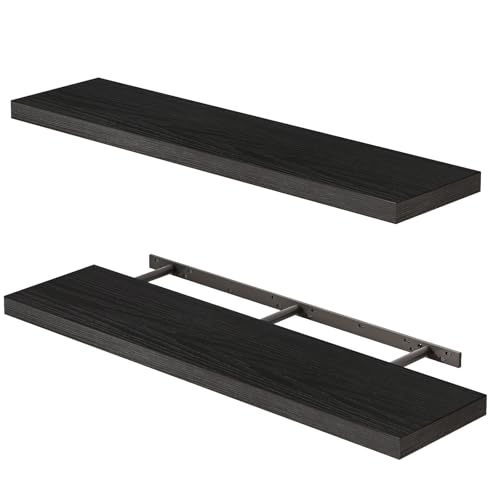
To create a welcoming atmosphere on your three-star retreat, focus on incorporating a minimum of six essential pieces: a cozy bed, bedside tables, a functional desk with an ergonomic chair, a modest dining table, and a few accent chairs. Ensure these selections reflect both comfort and style, enhancing guest satisfaction.
Next, consider practical elements like storage. Including at least one dresser and a couple of shelves will help manage personal items effectively. Aim for a harmonious balance between aesthetics and utility to heighten the guest experience.
Don’t overlook the importance of ambiance. Adding tasteful light fixtures and decorative elements, such as wall art or indoor plants, can significantly elevate the overall feel of the space. Each detail plays a role in crafting a memorable environment.
Determining the Basic Furniture Needs
The optimal setup for an island with a three-point rating includes crucial items that enhance both aesthetics and functionality. Prioritize a minimum of 20-25 items to create an inviting environment. This should encompass diverse categories such as seating, tables, and decorative pieces.


Seating Arrangements
Incorporate at least five chairs or stools, ensuring a mix of styles that resonate with the theme. Opt for a comfortable bench or set of chairs around a central table, accommodating visitors and providing a social atmosphere. Consider including outdoor seating if applicable.
Tables and Surfaces
At least two tables, including a dining table and a smaller side table, are necessary. The dining table should be large enough to seat multiple guests comfortably. A low coffee table or outdoor equivalent adds utility to community spaces, promoting interaction.
Incorporate 5-10 decorative items such as artworks, plants, or unique pieces to enhance visual appeal. Items placed strategically can elevate the overall charm and add personal touches.
Balance functionality and beauty to fulfill the requirements for a three-point rated environment. A cohesive selection will meet the needs of visitors while creating a welcoming atmosphere.
Calculating Space Requirements for Each Furniture Type
Each piece I choose plays a pivotal role in achieving my desired ambiance and aesthetics. To optimize the available area, I measure every item and its footprint carefully. A general rule is to allocate approximately 2-3 square meters for large structures like beds and dining tables. For smaller items, such as chairs and decorative pieces, a space of about 1 square meter suffices.
When arranging seating options, ensuring proper flow is vital. I leave at least 60 centimeters between chairs and tables to facilitate movement. For large assemblies, like lounges or multipurpose areas, a setup accommodating 4-6 individuals typically requires at least 3 square meters.
Incorporating storage effectively complements the overall layout. Shelves or cabinets often require floor space of approximately 1-2 square meters. However, wall-mounted variants can save crucial ground space while still providing functionality.
For aesthetics, I consider vertical space. Plants, wall art, or hanging fixtures contribute to visual appeal without occupying valuable ground area. Thus, including a few vertical elements can greatly add to the ambiance without crowding the area.
Lastly, I assess the overall balance of styles. Mixing different categories–like rustic with modern–might necessitate adjusting space allocations to maintain harmony. Therefore, a thoughtful approach regarding placement, size, and design ensures that each piece enhances the overall character I aim to create.
Industry Standards for Furniture Quality and Quantity
In determining the appropriate quality and quantity of seating and surfaces, I base my decisions on several industry standards. The American National Standards Institute (ANSI) offers guidelines that inform specifications for durability and safety. For example, seating pieces should withstand a minimum of 300 pounds of weight and maintain structural integrity for at least seven years under normal use.
Surface materials also play a critical role. I recommend using high-pressure laminates or solid wood for tabletops, as they’re both resilient and aesthetically pleasing. Fabric choices should focus on materials rated for commercial use, like polyester blends that exceed 50,000 double rubs on the Martindale scale.
Regarding quantity, a seating arrangement typically includes a combination of armchairs, barstools, and benches. I usually follow the guideline of providing at least one seat per guest expected at peak capacity, plus an additional 15% for flexibility during busy times.
In public areas, spacing guidelines recommend at least 42 inches between chairs to facilitate movement. Surfaces, such as dining tables, should be spaced at least 48 inches apart to ensure comfort and accessibility. For rest zones, I often include lounge chairs or cabanas with a suggested ratio of one to every four guests.
Ultimately, my goal is to align with the standards while ensuring a combination of functional utility and aesthetic appeal that meets the unique needs of each environment. Adhering to these established norms helps create a welcoming and practical atmosphere that enhances the overall experience.
Understanding Local Regulations for Furnishing Islands
Prior to acquiring items for a coastal getaway, I recommend researching local tenant rules and guidelines that dictate what can be placed in these spaces. Municipalities may have specific requirements regarding aesthetics, durability, and safety. Taking these parameters into account not only ensures compliance but also enhances the visitor experience.
Key Areas of Focus
- Building Codes: Familiarize yourself with structural regulations governing installation practices. Safety standards, materials suitability, and compliance with local zoning laws are critical.
- Environmental Regulations: Some coastal regions restrict certain materials that may harm local ecosystems. Choosing eco-friendly options is often a requirement.
- Permitting: Verify if permits are necessary for placing outdoor amenities. Certain localities might need documentation, especially for items exposed to the elements.
Material Considerations
Opt for materials that meet local weather conditions. Corrosion-resistant metals or treated woods enhance longevity in humid climates. Consulting local suppliers who are knowledgeable can provide insights into best practices for my region.
- Durable Fabrics: If using textiles for seating or lounging, ensure they meet flame-retardant standards and are weather-resistant.
- Local Sourcing: Sourcing from local artisans may not just comply with community standards but can also support the local economy.
Conforming to these regulations will foster a pleasurable environment for guests while stabilizing operations in compliance with local laws. I prioritize understanding these guidelines to ensure a well-furnished and attractive spot.
Cost Estimates for Furnishing a 3 Star Island
Budgeting approximately $15,000 to $30,000 is advisable for adequately equipping a mid-level retreat. This figure encompasses all essentials, including *seating*, *tables*, *beds*, *storage units*, and *outdoor elements*. When deciding on purchase options, it’s wise to consider both quality and style to enhance guest experience without overspending.
Breakdown of Expenditures
Allocating funds effectively involves recognizing the primary categories of pieces required. For instance:
- Seating: $3,000 – $5,000 for a mix of indoor and outdoor options.
- Beds: $5,000 – $8,000 depending on the number and style.
- Tables: $2,000 – $4,000 including dining and side tables.
- Storage: $2,000 – $3,000 on cabinets and shelves.
- Outdoor Accessories: $1,500 – $2,500 for lounge chairs and umbrellas.
Additional Considerations
Research on local suppliers can lead to reduced costs. Compare options between retailers and consider second-hand or custom-built pieces as potential alternatives. Always factor in shipping and installation fees, which can range from 10% to 15% of total costs. Keeping an eye on seasonal sales can yield significant savings.
Lastly, taking into account the long-term maintenance and durability of the items will ensure your investment remains sound over the years. Explore sustainable options to enhance appeal and draw in environmentally conscious guests.
Tips for Sourcing and Selecting Suitable Furniture
Prioritize local suppliers to reduce transportation costs and support the regional economy. Engaging with vendors who understand the climatic conditions of the area is imperative for selecting long-lasting pieces.
Assess Quality Through Material
Examine the types of materials used in the construction of items. Opt for weather-resistant and durable options like teak, eucalyptus, or aluminum for outdoors. Research suppliers who specialize in these materials to ensure quality.
Consider Multi-Functionality
Invest in versatile items that serve multiple purposes, such as convertible sofas or storage ottomans. This approach maximizes utility without cluttering the space, aligning with the concept of minimalism.
| Type | Material | Functionality |
|---|---|---|
| Outdoor Seating | Teak/Wicker | Comfortable leisure |
| Tables | Aluminum/Glass | Dining/Work |
| Storage Solutions | Wood/Plastic | Organizational |
Review online marketplaces as well as local showrooms to compare prices and styles. Always check for warranties or return policies to protect your investment.
Pay attention to user reviews and seek recommendations from trusted sources to gauge the reliability of the suppliers. Leverage social media platforms to discover trending designs and emerging manufacturers.


