
 Caleb Turner

In my experience, artisans specializing in tailored wood creations typically earn between $40,000 and $80,000 annually, depending on skill level, location, and client base. Those with a solid reputation and extensive portfolios may command even higher fees, occasionally exceeding the $100,000 mark. Factors influencing these figures include the complexity of designs, types of materials utilized, and additional services provided.
For individuals looking to enhance their financial prospects in this craft, focusing on niche markets can be advantageous. Custom projects for clients seeking unique or specialty items often yield higher profit margins. Establishing strong relationships with interior designers and architects can also lead to more lucrative commissions and a steady flow of projects.
It’s vital to understand that operating expenses, such as tools, materials, and workspace, impact overall earnings. Allocating a budget for high-quality resources and maintaining an efficient workflow are essential for achieving financial success. Investing in marketing strategies, including a professional website and social media presence, will enhance visibility and attract potential clientele.

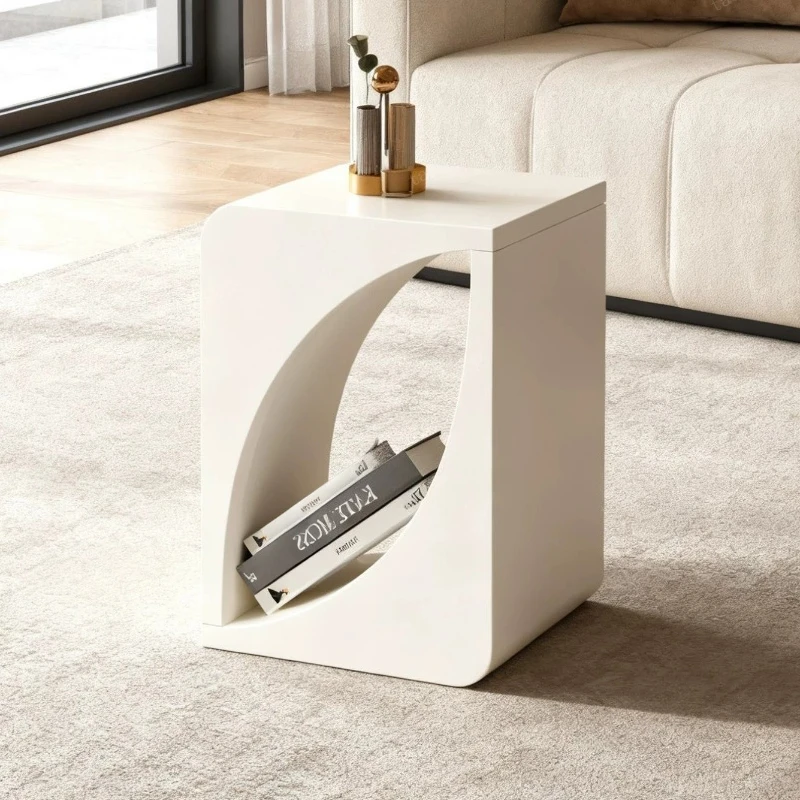

Income of Artisan Woodworkers
Based on my observations, artisan woodworkers typically earn between $30,000 and $100,000 annually. Variables influencing earnings include experience, location, and the type of projects undertaken. For instance, those in urban environments with a high demand for bespoke items may charge significantly more.
Factors Influencing Earnings
Experience plays a crucial role; novices may start at lower rates, while seasoned craftsmen can command premium prices for their expertise. Specializing in high-end materials or unique designs can also lead to elevated compensation. Additionally, establishing a solid client base and leveraging social media for marketing can further enhance profitability.
Potential Revenue Streams
Diversifying income sources is key to increasing financial return. Offering workshops, creating plans for DIY enthusiasts, or collaborating with interior designers can supplement primary earnings. Many artisans also enhance income by selling finished pieces online or at local markets.
Average Salary of Custom Furniture Artisans
The typical earnings for those involved in crafting unique pieces range from $30,000 to $75,000 annually. Rates can vary based on skills, experience, and geographical location.
Factors Influencing Earnings
- Experience: Veterans in the trade can command higher wages compared to newcomers.
- Location: Urban areas often offer better compensation due to higher demand.
- Specialization: Expertise in niche designs or techniques can lead to premium pricing.
- Business Model: Independent artisans may set their rates, while those in companies might have fixed salaries.
Income Variability
Hourly rates generally fall between $15 and $40. Established artisans can charge $100 or more for a specialized project. Additionally, the type of projects undertaken plays a significant role in overall income, with bespoke commissions often yielding higher returns.
Keep in mind that market fluctuations and consumer tastes can impact income stability. Building a strong client base and reputation can enhance earning potential over time.
Factors Influencing Income in Custom Furniture Crafting
Specialization in certain styles or techniques significantly impacts profitability. For instance, those proficient in high-end designs or unique creations often command premium prices.
Market trends directly affect earnings. By staying attuned to consumer preferences and emerging styles, artisans can position their products advantageously, capturing higher sales. Seasonal demands also play a role; the holidays often boost commissions.
Networking is essential; connections with interior designers, builders, and retailers can lead to lucrative referrals and collaborations. Participation in local markets and exhibitions further enhances visibility.
Quality of materials used cannot be overlooked. Sourcing sustainable and high-grade woods or metals can create distinguishing features that justify higher pricing.
Experience level contributes significantly. Newer artisans might initially earn less, but as they hone their skills and develop a reputable portfolio, income potential increases.
Location impacts costs and pricing. Urban areas commonly have a higher demand, enabling higher charging rates, while rural regions may require different pricing strategies.
Customer engagement matters. A strong online presence and effective marketing strategies can elevate public interest and attract a broader clientele.
- Specialization in specific styles enhances market appeal.
- Awareness of trends drives sales strategies.
- Networking expands opportunities and leads to collaborations.
- Material quality affects product pricing.
- Experience improves reputation and income potential.
- Location influences demand and pricing strategies.
- Effective marketing increases visibility and customer engagement.
Regional Salary Variations for Custom Furniture Artisans
The income of artisans who craft specialized household items greatly varies by region. In metropolitan areas, such as New York and San Francisco, professionals tend to earn significantly higher wages, averaging between $60,000 to $80,000 per year. This disparity often stems from the higher cost of living and greater demand for bespoke products in these urban centers.
Salaries in Smaller Cities
In contrast, artisans located in smaller towns may see earnings ranging from $40,000 to $55,000. These figures reflect a more competitive market with fewer buyers seeking one-of-a-kind pieces. It’s common for professionals in these areas to diversify their offerings, incorporating not only bespoke designs but also mass-produced items to enhance their income.
Factors Impacting Regional Differences
Local economic conditions, the prevalence of competitors, and the demographics of potential clients play substantial roles in determining pay rates. For instance, areas with a higher concentration of affluent customers are more likely to support higher pricing for specialized work, whereas regions with tighter budgets may necessitate lower rates to attract buyers.
Experience Levels and Their Impact on Earnings
Entry-level artisans typically earn between $30,000 and $40,000 annually. At this stage, hands-on experience and skill development are crucial. Apprentices can also expect to receive lower wages as they learn from more seasoned professionals, usually around $25,000 to $35,000.
Mid-level craftspeople, generally with five to ten years of experience, see their annual compensation rise significantly, averaging between $50,000 and $70,000. Their expanded skill set and ability to manage small projects or custom orders begin to reflect in financial returns.
Veteran artisans, with over a decade of experience, can command salaries upwards of $80,000 to $100,000. These individuals often possess specialized techniques and a strong portfolio, which increases demand for their services. Their reputation can lead to premium pricing for bespoke projects, further enhancing their income.
Networking plays a vital role throughout all experience levels. Engaging with clients, suppliers, and design professionals can lead to higher-paying contracts and repeat business. Building a strong personal brand and showcasing unique creations can also enhance visibility and boost earnings.
Continued education and skills advancement, such as attending workshops, can positively influence one’s earning potential. Expertise in current trends or materials can make these artisans more competitive in the market.
Revenue from Different Types of Custom Furniture
The earnings from various categories of bespoke items can significantly differ based on factors such as design complexity, materials used, and market demand. For instance, high-end pieces like solid wood dining tables or luxury bedroom sets can sell for anywhere from $2,000 to over $10,000. These products often command a premium due to their craftsmanship and quality.
On the other hand, simpler items such as custom shelving units or ottomans typically range from $500 to $2,000. While these are less lucrative per item, the volume of production can compensate for the lower price point, potentially increasing overall revenue.
Specialty pieces, such as handcrafted cabinetry or unique designer commissions, can escalate pricing further. These may fetch between $5,000 to $20,000 due to their tailored nature and the skill involved in their creation. These high-end offerings attract clientele looking for signature styles and bespoke solutions.
Moreover, the popularity of eco-friendly materials and sustainable practices has opened up a niche market where eco-conscious consumers are willing to pay a premium for ethically sourced products. This shift in consumer preference can enhance profitability for those who integrate sustainable techniques into their creations.
Location also plays a crucial role in determining potential earnings. Urban areas, where demand for unique design solutions is higher, often yield higher sales prices compared to rural locations. It’s vital for artisans to research local market dynamics to align their offerings with consumer expectations.
In conclusion, by diversifying product ranges and tapping into specialty markets, one can maximize revenue opportunities. Focusing on quality, design innovation, and aligning with market trends can lead to substantial financial success in this sector.
Pricing Strategies Used by Custom Furniture Makers
Adopting a tiered pricing model can effectively cater to a diverse clientele, allowing me to offer options that range from entry-level pieces to high-end exclusives. By segmenting my offerings, I can attract budget-conscious buyers while still appealing to those seeking luxury items.
Incorporating hourly rates alongside project-based fees can provide transparency to clients and facilitate easier quotes for bespoke projects. This approach also allows me to account for variations in labor intensity across different commissions.
An itemized pricing structure helps clients understand what they are paying for. Breaking down costs for materials, labor, design, and finishing options clarifies the value of each component involved in the creation of a piece.
Offering package deals or bundled services, such as a complete room makeover, can encourage larger purchases. By providing discounts for multiple items or services, I can increase average transaction size.
Seasonal promotions or limited-time offers can create urgency and appeal to potential clients looking for deals. These can be aligned with holidays or major events to maximize visibility and sales potential.
Finally, leveraging my online presence, particularly through social media, serves as a platform for showcasing craftsmanship and engaging with clients. This visibility allows for dynamic pricing adjustments based on trends and direct client feedback.
Potential for Upselling and Additional Services
Offering tailored add-ons can significantly boost revenue. I focus on complementary products, like cushions and covers that enhance the main piece. This strategy increases the overall ticket price and enriches customer satisfaction.
Design Consultations
Providing design consultations can bring in a distinct revenue stream. I charge a fee for personalized space assessments, guiding clients on how to maximize aesthetics and functionality. This service often leads to larger initial orders or additional projects down the line.
After-Sales Services
Implementing after-sales options such as maintenance and repairs can foster repeat business. I suggest warranties or care kits that clients can purchase, ensuring their investment lasts longer. This approach not only generates extra income but also builds trust and loyalty.
Impact of Online Sales on Custom Furniture Income
Transitioning to online platforms significantly boosts earnings potential for artisans in this sector. I’ve observed that those who adopt e-commerce strategies can reach a wider audience, thereby increasing their sales volume and revenue. With targeted marketing and an engaging online presence, I’ve seen some craftsmen double or triple their traditional income.
Key Earnings Metrics
Sales figures tend to vary, but artisans leveraging online sales often report the following averages:
| Revenue Source | Estimated Annual Income |
|---|---|
| Direct Online Sales | $40,000 – $100,000 |
| Commission from Online Marketplaces | $10,000 – $50,000 |
| Custom Orders via Social Media | $15,000 – $60,000 |
Strategies for Maximizing Online Revenue
To enhance profitability through online channels, I recommend the following tactics:
- Invest in high-quality photography to showcase craftsmanship.
- Utilize social media platforms to engage directly with potential clients.
- Implement SEO strategies to improve website visibility and attract organic traffic.
- Offer virtual consultations to assist clients in making informed choices.
By focusing on these strategies, artisans can effectively capitalize on the online marketplace, leading to substantial increases in their income streams.
Future Trends in Earnings for Custom Furniture Artisans
The upward trajectory in income for creators of bespoke pieces is anticipated to continue, driven by growing consumer preference for unique, high-quality craftsmanship. As sustainability gains prominence, artisans focusing on eco-friendly materials are likely to command higher prices, appealing to environmentally conscious buyers.
Integration of technology in design processes, such as 3D modeling and augmented reality, is becoming prevalent. This innovation enables a more personalized customer experience, potentially increasing sales and, consequently, earnings for artisans who adopt these tools effectively.
The rise of e-commerce platforms allows creators to reach a broader audience. Online marketing strategies, including social media promotions and influencer collaborations, can significantly boost sales volumes. Craftspersons who leverage these channels can expect increased financial returns.
Customization features, allowing clients to visualize their options through online configurations, present an opportunity for artisans to differentiate themselves in a competitive market. This strategic move can lead to higher average transaction values.
Networking with interior designers and home decor specialists is essential. These connections can lead to referrals, opening new revenue streams and expanding customer bases. Engaging in such partnerships facilitates access to high-value projects, positively influencing overall income.
Offering maintenance and restoration services for existing pieces could provide additional income. By providing such expertise, artisans can cultivate long-term relationships with clients, generating repeat business and referrals over time.
In summary, those who adapt to emerging market trends, embrace technological advancements, and expand their service offerings will likely experience substantial growth in earnings. Staying informed about industry developments and consumer preferences will be key to sustaining success in this specialized field.


