Caleb Turner
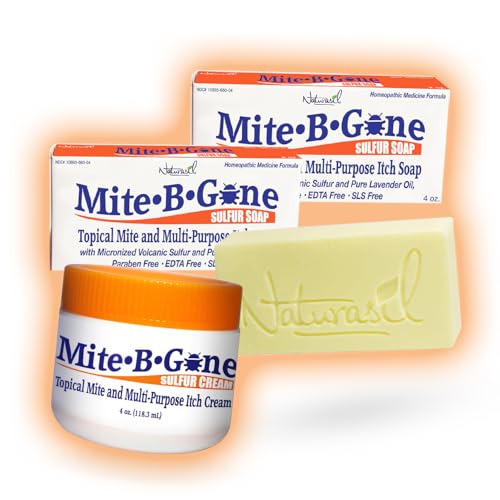
The presence of these microscopic organisms on textiles or home items can persist for up to a week. This longevity means that some precautions are necessary to prevent re-infestation after treatment. To effectively manage the situation, it’s advisable to wash affected fabrics in hot water and dry them at high temperatures for at least 20 minutes.
In addition, non-washable items, such as upholstered furniture, should be thoroughly vacuumed. Sealing these articles in plastic bags for a minimum of three days also helps eliminate any lingering pests, as their survival rate decreases significantly without a human host. Regular cleaning and preventive measures can further diminish the likelihood of resurgence.
Understanding and managing the lifespan of these organisms on personal belongings is crucial for a complete and lasting solution to an infestation. By implementing these strategies, you can ensure a healthier environment and reduce the risk of re-exposure.
Duration of Infestation on Various Surfaces
Individuals should be aware that parasites responsible for this condition can persist on non-living surfaces like textiles and upholstery for several days. Typically, their lifespan outside a host spans from 2 to 3 days, primarily depending on environmental factors such as temperature and humidity.


Textiles
When considering personal items like garments and bedding, it’s advised to follow these steps:
- Wash clothing and bed linens in hot water (at least 130°F or 54°C) to eliminate potential remnants.
- Dry items on a high heat setting for at least 20 minutes.
- If washing isn’t immediately possible, seal items in a plastic bag for a minimum of 72 hours to ensure any existing parasites die off.
Upholstery and Other Surfaces
For soft furnishings and other home items, such as cushions and blankets, consider the following precautions:
- Vacuum thoroughly, focusing on seams and crevices where these pests may hide.
- Use steam cleaning as an effective method to destroy any remaining organisms.
- Personal items that can’t be washed should also be stored in sealed bags for a few days.
Maintaining cleanliness and regular laundering practices ensures a diminished risk of re-infestation in living spaces. Taking these measures seriously protects both personalhealth and well-being.
Understanding Scabies Life Cycle
Females of the parasite burrow into the skin, laying about 2 to 3 eggs per day. This process continues for approximately 2 to 3 weeks. Once the eggs hatch, the larvae emerge and begin their journey through skin layers.
These larvae mature into nymphs within a week and eventually develop into adults. Adult mites can reproduce, perpetuating the cycle. The entire lifespan of these parasites ranges from 4 to 6 weeks, depending on environmental conditions.
During this lifespan, the mites primarily inhabit the upper layer of skin. However, they can survive for a limited time outside the host. Even in uninhabited textiles or upholstery, they remain resilient for a certain period.
Effective treatment focuses on eradicating the adult mites and interrupting this cycle. Proper cleaning of environments is paramount to prevent reinfestation. Heat treatments and thorough washing of items are essential steps toward complete removal.
Transmission Routes of Scabies
Direct contact remains the primary mode of spreading these mites. Prolonged skin-to-skin interaction with an infested individual allows the transfer of the arachnids. Casual contact, such as handshakes or hugs, poses minimal risk; however, sharing bedding or intimate encounters significantly increases the likelihood of transmission.
Indirect Ways
While the main method is through physical contact, transmission through contaminated objects like towels, clothing, or bedding is possible. The mites can survive for a period on surfaces, but their viability diminishes over time. Regular washing of textiles in hot water and thorough cleaning of shared environments further reduces risks.
Table of Contact Duration and Risk
| Contact Type | Duration | Transmission Risk |
|---|---|---|
| Skin-to-skin | Prolonged | High |
| Intimate interactions | Short to moderate | Very High |
| Shared personal items | Variable | Moderate |
| Casual contact | Brief | Low |
Preventive measures are paramount. Maintaining personal hygiene, avoiding close proximity to those with visible symptoms, and ensuring that environments are regularly sanitized greatly diminish potential exposure. Awareness and proactive management effectively reduce the risk of transmission.
Survival Duration of Scabies Mites on Fabrics
These parasites can endure on textiles for up to 72 hours. Their resilience decreases significantly after this period, with survival rates diminishing over time.
Factors Influencing Survival
- Temperature: Warmer conditions boost mite longevity.
- Humidity: Higher moisture levels extend their survival.
- Fabric Type: Soft fabrics tend to retain moisture better, aiding survival.
Recommendations for Mitigation
- Wash affected items in hot water (at least 130°F / 54°C).
- Dry items on a high-heat setting for at least 20 minutes.
- Use airtight bags for infested belongings for a minimum of 72 hours.
Implementing these measures can significantly reduce the risk of transmission from textiles in your environment.
Impact of Temperature on Scabies Survival
Scabies mites exhibit significant vulnerability to temperature changes. In a controlled environment, these parasites thrive best at body temperature, around 37°C (98.6°F). However, exposure to elevated temperatures can expedite their demise. Tests indicate that temperatures above 50°C (122°F) result in death within minutes. Therefore, washing textiles and household items at this temperature can effectively eradicate these pests.
Cold Conditions
Conversely, when subjected to cold, scabies mites show remarkable resilience. Survival can extend for several days at temperatures averaging 0°C (32°F). Prolonged exposure to freezing conditions, exceeding 72 hours, is usually effective in neutralizing these organisms.
Temperature Guidelines for Textiles and Surfaces
| Temperature Range (°C) | Effect on Mites |
|---|---|
| Below 0°C | Extended survival; requires at least 72 hours for effectiveness |
| 20-30°C | Optimal for survival; potential for transmission |
| 50°C and above | Rapid death; effective disinfection of fabrics |
Implementing these temperature strategies enhances control measures and minimizes the risk of infestation within living spaces. Regular laundering and careful management of surfaces, especially during outbreaks, are prudent practices to mitigate potential transmission.
Cleaning Methods for Infested Apparel
To eradicate mites from infected textiles, washing at a high temperature of at least 60°C (140°F) is recommended. This temperature effectively kills parasites. Utilize a heavy-duty detergent for optimal results.
Drying Techniques
After washing, drying items in a dryer at a high heat setting for at least 20 minutes can eliminate any remaining organisms. Alternatively, placing garments under direct sunlight can also assist in their demise.
Isolation of Affected Items
For items that cannot be laundered, such as delicate fabrics, consider sealing them in a plastic bag for at least 72 hours. This method suffocates remaining pests due to their limited survival outside a host.
Disinfecting Furniture to Eliminate Scabies
To effectively eradicate these parasites from upholstered items or hard surfaces, I recommend steam cleaning as a primary method. The high temperatures reached during steaming eliminate mites efficiently. A steam cleaner should be set to at least 130°F (54°C) and applied directly to all fabric areas, including cracks and crevices.
For non-fabric surfaces, a mixture of water and disinfectant that contains at least 70% alcohol can be utilized. Wipe down all surfaces, paying special attention to frequently touched areas such as armrests, seats, and backs of furniture. Allow the disinfectant to remain in contact with surfaces for a minimum of 10 minutes to ensure maximum effectiveness.
Vacuuming is another essential step. After steaming and disinfecting, I often vacuum surfaces to remove any dislodged pests and their remnants. Use a vacuum cleaner fitted with a HEPA filter, and be sure to empty the vacuum bag or canister immediately after use to prevent reinfestation.
Bedding and other textiles that can’t be washed at high temperatures should be placed in sealed bags for at least 72 hours. This will ensure that any surviving mites die off due to lack of a host.
In addition, utilizing a fabric spray designed to kill parasites can provide extra assurance. Always follow the manufacturer’s instructions regarding application and drying times.
Implementing these cleaning practices diligently will significantly lower the risk of infestation recurrences and promote a safe environment.
Signs of Scabies on Clothes and Upholstery
Identify potential indications of infestation by examining fabrics for specific signs:
- Burrows: Small, pimple-like bumps and thin, wavy lines may indicate where mites have tunnelled.
- Stains: Unusual reddish or brown marks can appear as a result of mite activity or skin flakes.
- Faded Areas: Deterioration or discoloration in sections of upholstery might suggest prolonged exposure to infestation.
- Odors: A musty smell emanating from materials may be a red flag for an unsanitary condition.
Regularly inspecting your garments and textiles helps in early detection. Methods to mitigate risks include:
- Regular laundering in hot water.
- Using high heat for drying to eliminate potential pests.
- Vacuuming upholstered surfaces thoroughly and often.
- Avoiding sharing personal items, particularly among vulnerable groups.
Awareness of these signs aids in prevention and control of unwanted infestations. Immediate action is advisable upon discovering any suspicious indications.
Preventive Measures Against Scabies Spread
To effectively minimize the risk of infestation, I recommend washing all garments and bed linens in hot water (at least 130°F or 54°C) and drying them on high heat. This should be done for any items used by the affected person within the last week.
Regular Cleaning
Regular vacuuming of carpets, upholstery, and areas where the individual spends time is crucial. Using a vacuum with a HEPA filter enhances the removal of potential allergens and mites.
Personal Hygiene
Maintaining strict personal hygiene includes showering daily and using medicated soaps as recommended by a healthcare professional. Frequent handwashing is also key, especially after handling items that may be contaminated.
Limit close physical contact with others until treatment is complete. Informing close contacts allows them to monitor symptoms and seek prompt treatment if necessary.
Consider using a protective cover for mattresses and pillows. These covers should be made of a material that can be easily washed and sanitized.
Should there be direct exposure to an infested individual, I urge you to avoid sharing personal items such as towels, bedding, or clothing.
Caution should be taken with second-hand items; they should be thoroughly inspected and cleaned before use. Storing them in sealed bags for a period of time may also help in reducing any risk.
FAQ:
How long can scabies survive on clothing?
Scabies mites can live on clothing for up to 72 hours. However, once they are away from the human body, they cannot reproduce and will eventually die. It’s important to wash clothing in hot water and dry it on a high heat setting to eliminate any potential mites.
Can scabies live on furniture and for how long?
Scabies can survive on furniture for about 2 to 3 days, depending on the type of fabric and environmental conditions. Upholstered furniture may retain mites longer than hard surfaces. Regular cleaning and vacuuming are recommended to minimize the risk of transmission.
What steps should I take to disinfect my clothes and furniture if I have scabies?
To disinfect clothes, wash them in hot water (at least 130°F or 54°C) and dry them on a high heat setting. For furniture, vacuum thoroughly and use a fabric-safe disinfectant spray. Items that cannot be washed should be sealed in a plastic bag for at least 72 hours to ensure any mites die off.
Are there any specific materials where scabies can last longer?
Yes, scabies mites can survive longer on porous materials like fabrics compared to hard surfaces. Soft furnishings, such as sofas and carpets, may harbor mites slightly longer, which is why it’s essential to regularly clean these areas if there’s a suspicion of infestation.
What other preventive measures can I take to stop the spread of scabies?
Besides washing clothes and cleaning furniture, it’s advisable to avoid close physical contact with others until treatment is complete. Informing close contacts about potential exposure can also help prevent further spread. Regularly cleaning your living space and avoiding sharing personal items can reduce the risk significantly.
How long can scabies survive on clothes and furniture?
Scabies mites can survive off the human body for a limited time. Typically, they can live on clothing and furniture for about 2 to 3 days. This means that if you’ve been in contact with an infested person and have not washed your clothes or cleaned your furniture, you could potentially come into contact with these mites. To eliminate the risk, it’s recommended to wash any infested clothing and bedding in hot water and dry them on a high heat setting. Similarly, vacuuming and cleaning surfaces can help to ensure that any lingering mites are removed.
What steps should I take to clean my home after a scabies infection?
After a scabies infection, it’s important to thoroughly clean your surroundings to prevent reinfestation. Start by washing all clothing, bedding, and towels in hot water, and drying them on a high heat setting. For items that can’t be washed, sealing them in a plastic bag for at least 72 hours can help, as the mites cannot survive this long without a host. Next, vacuum carpets, upholstered furniture, and any areas where an infested person has spent time. Make sure to dispose of the vacuum bag or empty the canister outside right after cleaning. Regularly cleaning surfaces with disinfectant can also minimize risk. If possible, consider seeking advice from a pest control professional for further measures.