
 Caleb Turner
Mix equal parts of olive oil and white vinegar in a small bowl. With a soft cloth, apply the solution directly to the affected areas, gently rubbing in the direction of the grain until the marks fade away. This natural remedy not only lifts the unsightly residue but also nourishes the underlying material.
If the earlier method doesn’t achieve the desired outcome, consider using baking soda. Create a paste with water and apply it to the discolored spots using a damp cloth. Let it sit for a few minutes, then wipe away gently. The mild abrasive nature of baking soda will assist in lifting stubborn discoloration without damaging the surface.
For particularly resilient marks, using a hairdryer can be effective. Set it on a low heat setting and move it over the stained area, ensuring to maintain a safe distance to prevent overheating. As the temperature rises, moisture trapped within the finish will evaporate, often leading to a complete restoration of the look.
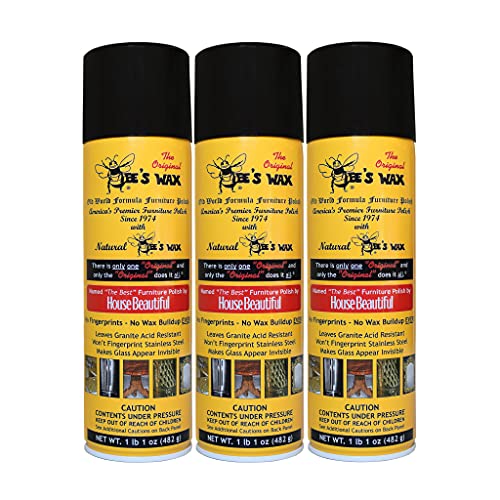
Lastly, applying a dedicated wood polish after utilizing any of these methods will enhance the shine and protect the surface. This step ensures a long-lasting finish and helps to prevent future issues. Regular maintenance with appropriate products will keep your pieces looking their best.
How to Remove White Water Stains from Wood Furniture
To eliminate those unsightly marks, mix equal parts of vinegar and olive oil. Apply the solution to a soft cloth and gently rub over the affected area in the direction of the grain.
Another method involves using a hairdryer. Set it on a low heat setting and keep it about 6 inches away from the surface. Move it slowly across the marks until they disappear.
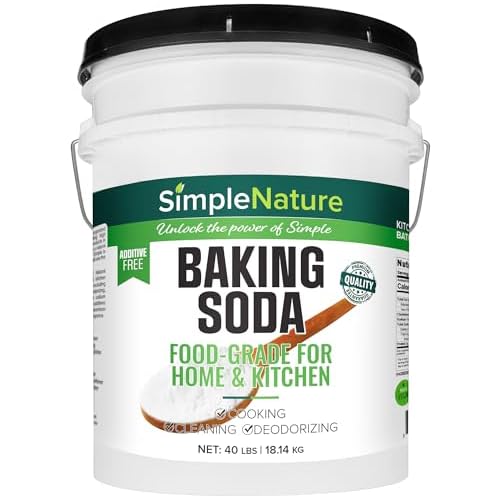
A paste made of baking soda and water can also yield great results. Create a thick consistency, apply it to the spots, and let it sit for a few minutes before wiping it away with a damp cloth.
If the above approaches don’t work, try using a small amount of toothpaste (non-gel) applied to a soft cloth. Rub it gently on the marks until they fade, then clean the area with a damp cloth.
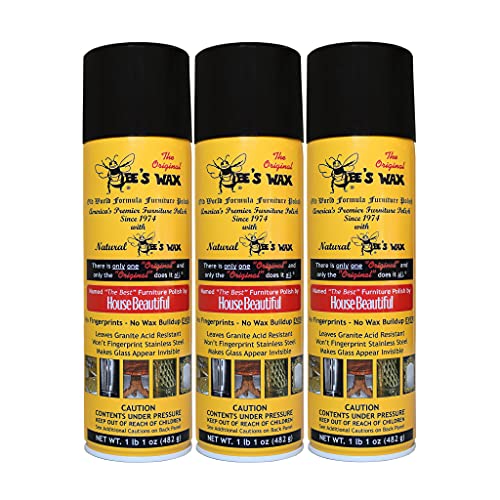
Finally, for persistent marks, a commercial wood polish specifically designed for treating blemishes can be effective. Follow the product instructions carefully for the best results.
Understanding the Cause of White Water Stains
A common origin of light discoloration involves moisture interacting with the finish on surfaces. This reaction occurs primarily due to the absorption of water, which alters the protective layer. High humidity, spills, or condensation can create a barrier between the liquid and the underlying material, causing these noticeable marks.
Factors Influencing Stain Formation
Temperature changes play a significant role. Heat can accelerate evaporation, leading to concentrated moisture trapped beneath finishes. Additionally, certain cleaning products may contribute to the deterioration of protective coatings, further exacerbating the appearance of blemishes. It’s essential to identify specific culprits, such as sweat from glasses or dripping containers, to prevent future occurrences.
Identifying Finish Types
Different varnishes respond uniquely to moisture. Oil-based finishes generally provide better resistance, while water-based options may break down more easily. Awareness of the type of coating can aid in selecting appropriate cleaning methods and restoration techniques, ensuring optimal care for surfaces.
Choosing the Right Cleaning Products for Wood
Opting for suitable cleaning agents can significantly influence the outcome when addressing blemishes on timber surfaces. Avoid harsh chemicals that can damage finishes. Focus on products specifically formulated for furniture care.
Natural alternatives, like vinegar and olive oil, provide gentle solutions without risk to protective coatings. A mixture of equal parts can cleanse without harsh effects. Test on an inconspicuous area first to guarantee compatibility.
Commercial solutions labeled as polish or conditioner often include beeswax or carnauba wax, which nourish while also providing a layer of protection. Always examine labels for additional ingredients that may aid in bypassing damage.
Using a microfiber cloth is key; it captures dust and prevents scratching the surface. Combining the right product with appropriate tools ensures maximum effectiveness. Below is a table highlighting a few options:
| Product Type | Benefits | Considerations |
|---|---|---|
| Natural Cleaners | Eco-friendly, gentle on finishes | May require more effort for tough spots |
| Commercial Polishes | Quick shine, protective layer | Check for harmful additives |
| Waxes | Rich shine, moisture barrier | Can leave residue if over-applied |
Regular maintenance using appropriate cleaners keeps timber surfaces looking their best while prolonging their lifespan. Ensuring compatibility with existing finishes is a must.
Applying Heat to Lift Water Stains
Utilizing heat can effectively alleviate marks caused by moisture on surfaces. A reliable method involves using an iron. Begin by placing a clean, dry cloth over the affected area. Ensure it’s a cotton or linen cloth for better absorption of heat without risking additional damage.
Set the iron to a low heat setting without steam. Glide the iron gently over the cloth for 10-15 seconds at a time. Check the area frequently to avoid overheating, which may further harm the finish.
Alternative Techniques
- Another option is using a hairdryer. Maintain a distance of about 6 inches, applying heat in a circular motion. This method allows for more control.
- A third approach involves a heated metal spoon. Heat the spoon under hot water, dry it, then press it against the fabric covering the stain. The heat will raise the moisture trapped beneath the surface.
For best results, repeat the heating process as necessary until the marks disappear. Always proceed with caution to maintain the integrity of the surface. Following this, consider applying a high-quality polish to restore shine and protect the area.
Using Mayonnaise or Petroleum Jelly as a Solution
Mayonnaise serves as an unconventional yet effective remedy for tackling these blemishes on surfaces. The oil content within mayonnaise moisturizes the wood, aiding in the absorption of the moisture that causes these marks. To apply:
- Take a tablespoon of mayonnaise and spread it generously over the affected area.
- Allow it to sit for at least 10-15 minutes. This duration lets the oils penetrate the wood.
- Wipe away the residue with a clean, dry cloth, following the wood’s grain.
Petroleum jelly is another viable option, offering similar benefits. Its thick consistency helps in locking moisture into the wood. For application:
- Apply a thin layer of petroleum jelly directly onto the marks.
- Leave it on for several hours or overnight for best results.
- Remove the excess with a soft cloth by gently buffing the area.
Both techniques may require several applications based on the severity of the blemish. Observing the condition of the surface after each treatment is advisable to achieve the desired outcome without causing damage. Regular maintenance using these methods can also enhance overall wood appearance, ensuring a lasting shine.
Restoring the Finish After Stain Removal
Apply a wood polish or a specially formulated furniture wax to rejuvenate the surface after stain treatment. Ensure the area is clean and dry before proceeding.
Use a soft cloth to distribute the polish evenly, working in the direction of the grain. This step enhances the luster and can help minimize the appearance of any remaining imperfections.
For deeper restoration, consider using an oil-based finish. Lightly sand the affected area with fine-grit sandpaper to prepare the surface, then apply the finish using a clean cloth. Let it dry thoroughly and assess if another coat is necessary.
Take care not to overdo the application, as multiple layers may create a gloss that appears unnatural. A subtle sheen is typically preferred.
Conduct regular maintenance with appropriate products to prevent future issues. This keeps the furniture looking pristine and extends its lifespan.
Preventing Future Water Stains on Wood Furniture
Regularly apply a quality wax or polish to create a protective barrier against moisture. Choose products specifically designed for wooden surfaces to avoid chemical reactions that could lead to damage.
Ensure coasters are used consistently under drinks to catch any condensation. Opt for silicone or cork coasters, which are less likely to scratch the finish.
Maintain optimal humidity levels in your home, ideally between 30-50%. Utilize a humidifier or dehumidifier as needed, especially in extreme seasonal conditions.
Avoid placing hot items directly on surfaces. Use trivets or heat-resistant mats to prevent heat damage that can compromise the protective finish.
Consider clear acrylic or glass covers on frequently used surfaces to guard against spills while allowing the beauty of the wood to shine through.
Regularly inspect and maintain furniture for signs of wear. Promptly address any scratches or damaged areas before they become more substantial issues.


