
 Caleb Turner

First, select a high-quality chalk or mineral-based coating designed for a matte finish. This choice is crucial for achieving the desired antique appearance that characterizes this aesthetic. Ensure the surface is clean and free of dust before application.
Next, apply a coat, and consider using a brush for intricate areas and a roller for larger surfaces for an even distribution. Allow ample drying time, as this can affect the durability and appearance of the finish.
After the initial layer dries, lightly sand the edges and surfaces to create a worn effect. This technique adds depth and authenticity to the piece. Wipe away dust before applying a second coat, if necessary, to enhance coverage and create that classic weathered look.
Lastly, seal the piece with a clear wax or matte sealer to protect the finish while maintaining that rustic charm. This final touch safeguards against wear while enhancing the overall aesthetic, ensuring the item remains a stunning focal point in any space.


Selecting the Right Furniture for Shabby Chic
Opt for pieces with charm and character, such as vintage or antique finds. Look for items that exhibit natural wear, which add authenticity to the overall aesthetic. Prioritize soft lines, curves, and intricate details to enhance the romantic vibe.
Material Choices
Wood is a primary choice, especially in weathered finishes. Consider painted wood that can be distressed further for an aged look. Look for metal accents that can bring an industrial touch, but ensure they feel understated.
Functionality and Scale
Select items that balance beauty and practicality. A large wooden table can serve as a focal point, while smaller accent pieces like side tables or stools add versatility. Ensure the scale suits your space, allowing for both comfort and flow.
Choosing Your Color Palette for Shabby Chic Furniture
Opt for soft, muted colors as a foundation for your selection. Shades like pastel pink, pale blue, soft lavender, and creamy whites create an inviting atmosphere.
Consider these specific color combinations:
- Mint green paired with white creates a fresh feel.
- Dusty rose complemented by light gray evokes warmth.
- Aqua and ivory enhance a beachy ambiance.
- Lavender mixed with pale yellow adds a unique twist.
Sampling paint swatches on a small area of the piece offers insight into how the colors interact with light and the room’s overall aesthetic.
Incorporating neutral tones provides balance. Colors such as beige, taupe, or soft gray can act as a grounding element against brighter shades.
Accent colors play a vital role; apply them through decorative elements or finishes. For instance, hardware in antique brass or brushed nickel can add eye-catching detail.
Choosing colors that reflect personal tastes ensures that the outcome resonates on a deeper level. Look for inspiration in nature, vintage fabrics, or existing home décor.
Lastly, choosing a cohesive palette allows for seamless integration. For multiple pieces, consider selecting a few key tones that can be harmoniously mixed throughout the decor.
Preparing the Furniture for Painting
Thoroughly clean the piece using a mixture of warm water and mild soap. Ensure that all dirt, grease, and dust are removed for optimal adhesion of the new coating.
Next, assess the surface for imperfections like scratches or dents. Fill any gaps with wood filler, then sand those areas until smooth for a seamless finish.
Sand the entire surface lightly with fine-grit sandpaper, aiming to create a slightly rough texture. This step promotes better paint retention and allows for a smoother application.
After sanding, wipe down the surface with a damp cloth to remove any dust. Allow it to dry thoroughly before proceeding to the next phase.
If the item is previously coated with a glossy finish, consider applying a primer designed for slick surfaces to enhance paint adherence.
For pieces with intricate details or carvings, ensure you clean those areas thoroughly. A toothbrush can be helpful for hard-to-reach spots.
Finally, inspect the structure for stability. Tighten any loose screws or joints to ensure the item is sturdy prior to applying any paint.
Finding the Best Paint for Shabby Chic Finish
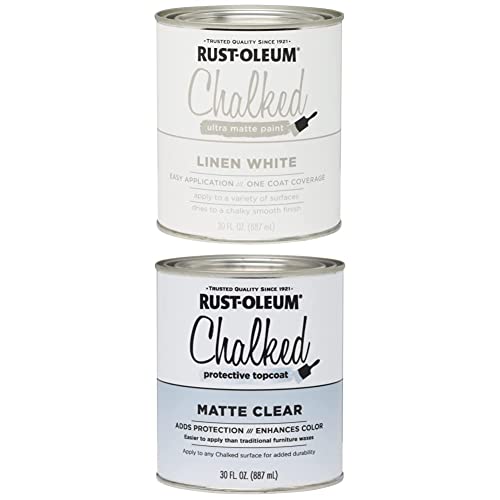
For achieving a beautiful aged effect, chalk paint is a top choice. It adheres well to various surfaces, requires minimal prep, and offers a matte finish that captures that rustic charm. Brands like Annie Sloan and Rust-Oleum have excellent options specifically designed for this aesthetic.
Acrylic latex paints can also be effective, particularly if a more durable surface is desired. They come in a variety of colors and finishes. Be sure to select a satin or matte finish for the best results. Mixing in some bonding agent can enhance adhesion on slick surfaces.
For the best color payoff, establish a primer undercoat. This will create a uniform surface, improve paint adhesion, and can help in achieving the intended final tone. Choose a water-based primer that’s compatible with your chosen paint, ideally one that dries quickly.
| Type of Paint | Characteristics | Recommended Brands |
|---|---|---|
| Chalk Paint | Matte finish, easy to distress, adheres to various surfaces | Annie Sloan, Rust-Oleum |
| Acrylic Latex | Durable, wide color selection, satin/matte finishes | Behr, Sherwin-Williams |
| Milk Paint | Natural ingredients, unique finish, can be reactivated | General Finishes, Miss Mustard Seed |
Consider acrylic sealants to protect the finish. A clear wax can add an additional layer of sophistication while enhancing the overall look. Apply it in thin layers, using a soft cloth for uniform coverage.
Test paint chips to ensure compatibility with the selected color palette. Sometimes, mixing paints can yield unique shades that could be perfect for a distinct finish. Experiment with different techniques, such as dry brushing or sponging, to create additional depth.
Techniques for Applying the Base Coat
Begin with a clean surface by using a mild cleaner to remove dust and grease. Apply a primer if necessary, especially for darker woods, to ensure better adhesion and a more uniform finish. Choose a quality paintbrush or foam roller to achieve a smooth application.
Use long, even strokes to minimize brush marks. If opting for a spray gun, maintain an appropriate distance from the surface to avoid drips. Here are some recommended techniques:
| Technique | Description |
|---|---|
| Brushing | Ideal for detailed areas. Use a high-quality synthetic bristle brush for water-based paints. |
| Rolling | Best for flat surfaces. A foam roller produces a smooth effect without streaks. |
| Spraying | Provides an even coat quickly. Ensure to practice on cardboard before applying on the piece. |
Apply a thin first coat. It is better to have multiple thin layers than one thick one. Allow sufficient drying time between coats based on the manufacturer’s recommendations. Inspect after the first coat to determine if additional applications are needed for the desired opacity and finish.
For added effect, distress the edges lightly with sandpaper once the base coat is fully dry. This technique enhances the vintage look, revealing glimpses of the underlying wood or previous layers.
Creating a Distressed Look: Sanding and Techniques
For achieving a weathered appearance, start with sanding. Use 120-grit sandpaper for initial sanding to create a rough texture. Focus on edges and corners to allow the underlying wood or base layer to show through.
Technique Steps
- Sand areas where natural wear would occur: edges, corners, and moldings.
- Switch to a finer grit (220) for smoothing any rough spots after the initial sanding.
- Use a sanding sponge for curved or detailed surfaces to maintain the shape while distressing.
Additional Techniques
- Dry Brushing: Apply a small amount of paint to a dry brush and lightly drag it over the surface, emphasizing raised areas.
- Wipe Technique: After applying the base coat, use a damp cloth to wipe off paint in specific areas, emphasizing the distressed look.
- Chipping: Use a putty knife to gently chip off paint in specific spots for an authentic aged appearance.
Experiment with these methods to find the perfect balance in distressing your piece, ensuring it captures character and historical charm. Each technique invites personal flair, allowing customization tailored to unique vision and taste.
Applying Wax or Sealer for a Durable Finish
The application of a sealing agent or wax is crucial for achieving a resilient layer on painted surfaces. Opt for a quality wax or clear sealer that complements the finish achieved during previous steps.
Choosing Between Wax and Sealer
- Wax: Offers a soft, natural sheen and is perfect for a cozy, aged look. It requires regular maintenance but allows for easy reapplication.
- Sealer: Provides a more durable and protective finish, ideal for high-traffic areas. Choose a matte or satin finish for a more traditional appearance.
Application Process
- Ensure the painted surface is completely dry. This typically takes 24-48 hours after the last coat.
- Using a lint-free cloth or a soft brush, apply a small amount of wax or sealer in a circular motion, working in manageable sections.
- Allow the product to sit according to the manufacturer’s instructions, usually around 10-15 minutes, before buffing it out with a clean cloth for a smooth finish.
- For wax, apply a second coat if desired, repeating the buffing process; for sealer, let it cure fully, which may take several days, depending on environmental factors.
Regular maintenance is key to prolonging the life of the finish. For wax, reapply every few months or as needed based on wear, while sealers may only require refreshing every few years.
Accessorizing and Styling Your Vintage Furniture
Incorporate vintage decor elements such as lace table runners, antique vases, or reclaimed wood accents to enhance the aesthetic. Layering textures with soft fabrics like linen or cotton cushions can introduce warmth and comfort. Old books or intricate candle holders add a touch of charm when arranged thoughtfully on shelves or tabletops.
Choosing Decorative Elements
Select decorative pieces that resonate with the muted, cozy vibe typical of this aesthetic. Consider botanical prints and nature-inspired artwork to soften hard surfaces. Wicker baskets or wooden crates can serve both as storage solutions and as visual interest, creating a curated yet casual look.
Creating Visual Balance
Mixing old and new items brings depth; balance ornate and simple forms. Ensure that varying heights and shapes are represented in your arrangements to maintain an engaging display. This not only creates visual rhythm but also highlights the character of each piece in your space.
Maintaining Your Shabby Chic Furniture Over Time
Regular cleaning is critical. Use a soft, damp cloth to dust surfaces, avoiding harsh chemicals. For stubborn stains, a mild soap solution is safe and effective. Always test any cleaning solution in an inconspicuous area first.
Inspect the items periodically for signs of wear or damage. Address any nicks or scratches promptly to prevent them from worsening. For small touch-ups, matching paint can be applied carefully with a small brush, followed by a light sanding to blend the repair.
Reapplication of Wax or Sealer
Reapply wax or sealer every six months to maintain protection and sheen. Make sure the surface is clean before application. Use a soft cloth to buff the wax into the surfaces, ensuring even coverage, while removing any excess to prevent buildup.
Climate Considerations
Monitor your environment. High humidity or extreme dryness can affect the wood. Humid conditions may lead to swelling, whereas dry air can cause cracking. Consider using a humidifier or dehumidifier as necessary to stabilize indoor conditions.
Take extra care when moving pieces. Always lift rather than drag to avoid scratches on floors and damage to joints. Reinforcing furniture with brackets or additional screws may be beneficial for older pieces that need added stability.
By following these tips and being attentive, I ensure my treasures remain beautiful and functional for years to come.
FAQ:
What is the shabby chic style in furniture painting?
Shabby chic is a design style characterized by a soft, romantic aesthetic that combines vintage and distressed finishes. When painting furniture in this style, the goal is to achieve a weathered look that evokes a sense of nostalgia. This often involves using light, pastel colors and techniques that create a worn appearance, such as sanding or layering paints. Accessories and textiles often complement this style, enhancing its overall charm.
What materials do I need to paint furniture in the shabby chic style?
To successfully paint furniture in shabby chic style, you will need several materials. Start with high-quality chalk paint or acrylic paint in your chosen colors. You will also need a good quality paintbrush or sponge for application. Sandpaper is essential for distressing the finish, along with a clean cloth for dusting. Additionally, consider applying a wax or sealant to protect your finished piece. Optional items include stencils and decorative elements if you wish to add unique touches.
Can I achieve a shabby chic look with dark furniture?
Yes, you can achieve a shabby chic look with dark furniture, but it may require a different approach. You can start by applying a lighter color of paint and then distressing it to reveal the dark base beneath. This technique highlights the contrast and adds depth to the piece. If you prefer, you can also use dark colors and then add lighter washes or glazes to create a soft, weathered effect, ensuring it still embodies the shabby chic aesthetic.
What techniques should I use for distressing furniture?
Distressing furniture can be done using a variety of techniques. One common method is sanding the edges and surfaces of the painted piece to create a worn look. You can also use a damp cloth to rub away some of the paint in specific areas, adding to the distressed effect. Another technique involves layering different colors of paint and then sanding or wiping away the top layer to reveal the color underneath. Experiment with these techniques to find the level of distressing that suits your style.
How long does the paint need to dry between coats when painting shabby chic furniture?
The drying time between coats can vary depending on the type of paint used and the environmental conditions. Generally, chalk paint dries quickly, often within 30 minutes to an hour. However, it’s best to wait at least 2 hours before applying a second coat to ensure proper adhesion and to prevent smudging. Follow the manufacturer’s instructions on the paint can for specific drying times and recommendations to achieve the best results.
What supplies do I need to paint furniture in the shabby chic style?
To achieve a shabby chic look when painting furniture, you will need several supplies. First, gather your furniture piece, ideally made of wood for better adhesion. You’ll require sandpaper to prepare the surface, a primer to ensure good paint coverage, and chalk paint, which is popular for this style due to its matte finish and ease of use. You may also want to have a paint brush, a foam roller for larger surfaces, and a clear wax or sealer to protect the final finish. Additionally, don’t forget rags for cleaning and any decorative hardware you may wish to replace to enhance the look.
How do I create a distressed look on my painted furniture?
Creating a distressed look on furniture painted in the shabby chic style involves a few steps. After your first coat of paint has dried, use sandpaper to gently rub down edges and surfaces where natural wear would appear. Focus on corners and raised details, as these areas typically show the most distressing over time. Once you’re satisfied with the distressed effect, you can apply a second coat of paint in a different shade if desired. Finish off with a clear wax to seal the paint and give the piece a soft sheen. This approach not only enhances the vintage appeal but also adds character to your furniture.


