
 Caleb Turner
Applying a top coat with a smooth finish starts with choosing the right applicator. A foam roller is ideal for achieving a flawless surface, offering even coverage without the annoying streaks often left behind by traditional tools. Alternatively, a sprayer can deliver a professional-grade application, ensuring a sleek and polished outcome.
Next, surface preparation is key. Ensure the surface is clean and free from dust or grease. Sanding the item lightly with fine-grit sandpaper will create a good texture for adhesion while minimizing imperfections. After sanding, wipe the surface with a damp cloth to remove any dust particles.
Choosing quality materials cannot be overlooked. High-quality finishes not only provide better coverage but also enhance durability. Ensure the product is compatible with the underlying material to avoid any adverse reactions. Finally, thin, multiple coats applied with adequate drying time between layers will guarantee an even finish, eliminating any undesired lines or imperfections.


Selecting the Right Paint for Smooth Finishes
Opt for high-quality paint specifically designed for a glossy or satin finish. These types create a smoother surface, reducing the visibility of imperfections.
Acrylic or water-based formulations can provide superior flow and leveling properties. These are ideal for achieving a seamless finish, as they spread evenly and level out quickly.
Consider the drying time. Fast-drying options allow for additional coats without extended waiting periods, but they may require more careful application to avoid visibility of drips.
Pay attention to the paint’s viscosity. A thinner consistency often helps in achieving a more uniform layer, while thicker paints may result in noticeable texture on the surface.
The color also influences the outcome. Light shades might require multiple coats, so plan accordingly to prevent uneven coverage.
Lastly, choose paints that offer additives for improved flow. Products with flow enhancers can significantly smooth out application, making the process easier and enhancing the final appearance.
| Type of Paint | Finish Quality | Drying Time | Viscosity |
|---|---|---|---|
| Acrylic | High | Fast | Medium |
| Water-Based | Good | Medium | Thin |
| Enamel | Excellent | Slow | Thick |
Preparing the Surface Properly Before Painting
To achieve a sleek finish, begin with meticulous preparation of the surface. This step significantly impacts the final appearance.
- Cleaning: Remove dust, grease, and grime using a mixture of warm water and mild detergent. Rinse with clean water afterward to ensure no residue remains.
- Sanding: Utilize fine-grit sandpaper (220-grit). This process removes imperfections and creates a smooth texture, enhancing adhesion. Ensure the surface is even and free of rough patches.
- Filling Holes and Imperfections: Use a high-quality wood filler for any dents or holes. Allow it to dry completely before sanding it flush with the surrounding area.
- Priming: Select an appropriate primer for the material. A primer ensures better paint adherence, blocks stains, and provides a uniform base. Apply it evenly and allow it to dry thoroughly.
- Final Cleaning: After priming and sanding, wipe the surface again with a damp cloth to remove any dust particles from sanding.
Following these steps ensures a foundation that enhances the overall quality, leading to a flawless appearance in the finished piece.
Choosing the Best Application Tools Besides Brushes
For achieving a flawless finish, I recommend using a quality foam roller. It distributes paint evenly across surfaces, reducing the chances of visible lines or streaking. Select a roller with a smooth nap for the best outcome on flat surfaces.
Spray guns are another excellent option. They provide an even coat and can reach tight spots that rollers might not, ensuring no area is neglected. Make sure to practice on a scrap piece first for fine-tuning the technique.
Lint-free rags are useful when dab-painting with certain products. Applying paint this way allows control over texture and opacity, helping achieve a smooth appearance.
Consider using a paint pad as well. These tools offer a good balance between a brush and roller, allowing for greater precision while maintaining a quicker application process. They work particularly well on flat surfaces, ensuring an even coating.
Choosing the right application tool significantly impacts the final results. Experiment with different methods to discover the one that delivers the smoothest finish for specific projects.
Using Proper Techniques for Even Paint Distribution
Applying a thin, even layer is paramount. Always work in sections, using consistent strokes. This method avoids pooling and promotes uniformity.
- Start with light pressure on the tool to prevent excess pigment from accumulating.
- Maintain a wet edge by overlapping previous strokes slightly. This will prevent lines from forming as layers dry.
- Incorporate a back-and-forth motion rather than a single direction to blend layers seamlessly.
When using rollers or spray equipment, keep them at a consistent distance from the surface for a smooth finish.
- Begin at the top and work downwards to catch drips and ensure smooth application.
- Adjust the amount of product on the application tool as needed, wiping off excess to maintain control.
- Slightly tilt the tool during application to help the material glide over the surface.
To enhance adhesion and reduce brush strokes, consider using a thinner layer of topcoat, allowing for multiple applications for depth and coverage.
Understanding the Importance of Paint Thinning
Thinning coatings improves application by promoting smoothness and reducing texture. Achieving an even finish is significantly easier with a properly thinned solution. Water-based mediums often require a ratio of about 10-20% thinner, while oil-based options typically need about 15-25% solvent. Testing with a small amount can help determine the ideal consistency.
Benefits of Thinning Paint
Reducing viscosity allows for better flow and leveling during application, crucial when avoiding surface irregularities. A lighter mix not only enhances adherence but also minimizes issues like brush strokes, drips, and pooling. Additionally, it facilitates easier clean-up of tools, saving time and effort.
Adjusting Based on Conditions
Environmental factors play a role in the thinning process. Extreme temperatures or humidity levels may require adjustments to ratios. In warmer climates, slight thinning can help prevent premature drying, while cooler conditions might necessitate a thicker mix to ensure optimal leveling.
Implementing the Right Drying Time Between Coats
Allowing adequate drying intervals between layers significantly impacts the final appearance. A guideline is to wait at least two to four hours between applications, but this can vary based on the type of coating used and ambient conditions. High humidity and low temperatures can extend drying times, while warmer, drier environments can expedite the process.
To determine readiness for the next coat, gently touch the surface; it should feel dry and not tacky. If any residue transfers to your fingertip, prolong the drying period. Using a fan or dehumidifier can help speed up drying, provided there’s sufficient airflow without directly blowing over the surface.
Thicker layers dry slower, leading to unsightly results. Applying thin, even coats encourages faster drying and reduces the likelihood of smudges or drips. A little patience yields smoother finishes and a more professional look.
Be mindful of the type of paint. Latex products may dry quicker than oil-based ones, which often necessitate longer curing times. Always refer to manufacturer’s instructions for specific recommendations regarding drying times, ensuring optimal results throughout the process.
Applying a Topcoat for a Flawless Appearance
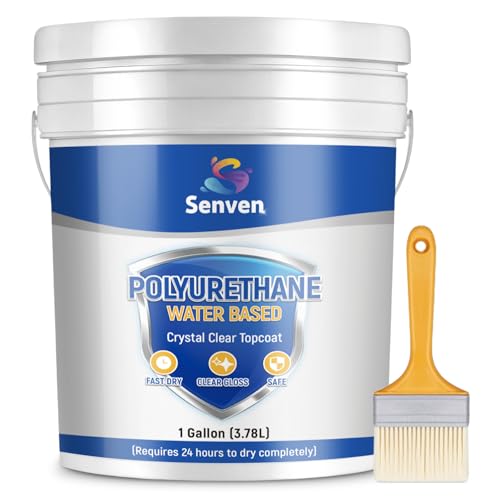
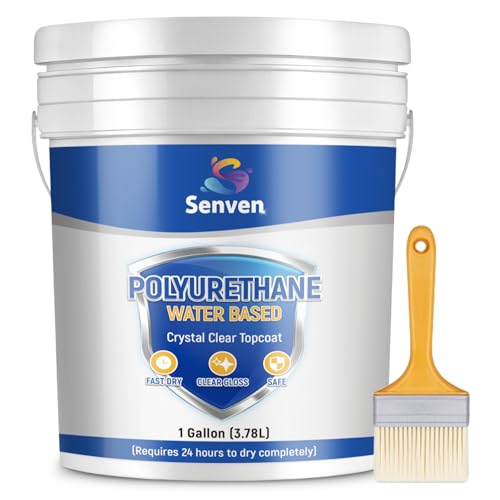
For a seamless finish, I recommend using a high-quality topcoat to achieve that professional look. Start by selecting a water-based polyurethane for minimal odor and quick drying. I apply this with a roller or an airless sprayer to ensure an even layer without drips or bubbles.
Before application, make sure the previous layers of paint are fully cured. This is crucial for the topcoat to adhere properly. Lightly sand the painted surface with fine-grit sandpaper (around 320-grit) to enhance adhesion. After sanding, clean the surface with a microfiber cloth to remove any dust particles.
While applying the topcoat, maintain a wet edge to avoid overlaps. If using a roller, utilize a foam roller for smoother application. When I’m working with a sprayer, I conduct a few test sprays to adjust the pressure and ensure optimal coverage before tackling the actual piece.
Allow sufficient drying time as mentioned in the topcoat instructions. If necessary, I wait longer in humid environments as this can affect how well the finish sets. After the initial coat dries, sand lightly again and wipe clean before applying a second coat for enhanced durability and shine.
Finish with a final coat, which can provide added protection and elevate the overall appearance. This attention to detail towards the finishing process ensures that the surface looks impeccable and lasts longer against wear and tear.
Cleaning and Maintaining Tools for Optimal Results
After using rollers or sprayers, clean them immediately with warm, soapy water or the appropriate solvent for the type of material. For oil-based products, mineral spirits work effectively. Ensure tools are thoroughly rinsed to avoid residue buildup.
Regularly inspect the condition of your equipment. Replace worn or damaged parts; for example, frayed roller covers can leave imperfections on surfaces. Before each use, check for debris or paint build-up that could affect application.
Soak brushes in clean water or solvent after each session, reshaping bristles for longevity. Storing in a clean and dry place prevents premature deterioration.
For sprayers, disassemble and clean inner components following the manufacturer’s guidelines. A clogged nozzle can ruin a project, so ensure thorough upkeep.
Once cleaned, properly dry all tools before storing. A clean, well-maintained toolkit guarantees optimal performance and results in fewer imperfections during projects.
FAQ:
What type of paint should I use to avoid brush marks on furniture?
To minimize brush marks, consider using a high-quality spray paint or a paint that is specifically designed for use with a roller. These options provide a smooth finish and reduce the risk of visible brush strokes. If you prefer to use a brush, look for a synthetic brush with fine bristles, as this can help achieve a smoother application.
Can I use a roller instead of a brush to paint furniture?
Yes, using a roller can be a great way to achieve a smooth finish without brush marks. A foam roller is particularly effective, as it distributes the paint evenly and reduces texture. Make sure to use a small roller that is appropriate for furniture, and always apply multiple thin coats for the best results.
How can I prepare my furniture for painting to avoid brush marks?
Preparation is key to avoid brush marks. Start by cleaning the surface thoroughly to remove dust and grease. Sand the furniture lightly to create a smoother surface, and ensure you fill in any imperfections with wood filler. After sanding, wipe down the piece with a damp cloth to remove any dust before applying paint. Proper preparation makes a significant difference in the final appearance.
What techniques can help me paint furniture without getting brush marks?
The most effective techniques include using even strokes and applying the paint in thin layers. Start from one side and work methodically to the other, maintaining a wet edge to prevent laps and streaks. If using a brush, avoid over-brushing; just let the paint flow and self-level where possible. Additionally, using a paint conditioner can help the paint flow better, reducing the chance of marks.
Are there any specific paint brands recommended for furniture that help eliminate brush marks?
Several brands are known for producing furniture paints that minimize brush marks. Brands like Benjamin Moore, chalk paint from Annie Sloan, and Rust-Oleum offer products designed for furniture applications. Look for paints labeled as self-leveling or that specify a smooth finish, as these features can help avoid brush marks during application.
What techniques can I use to paint furniture without leaving brush marks?
To achieve a smooth finish on painted furniture and avoid brush marks, consider a few techniques. First, use high-quality paint specifically designed for furniture that has a self-leveling property. This type of paint flows better and minimizes the appearance of brush strokes. Second, opt for a foam roller instead of a brush for larger flat surfaces. Rollers distribute paint evenly and leave fewer marks. If you choose to use a brush, pick one with fine bristles and avoid overloading it with paint. Apply thin coats, letting each layer dry completely before adding the next. Sand lightly between coats to further smooth the surface. Lastly, using a paint sprayer can provide the most uniform finish, as it atomizes the paint, reducing the likelihood of brush marks. Always test your technique on a small, inconspicuous area or scrap wood to ensure the desired outcome before proceeding with the entire piece.


