
 Caleb Turner

Utilizing a professional moving service with experience in navigating multi-story structures significantly simplifies the process of transporting items. These experts are equipped with knowledge about elevator dimensions, stairwell access, and the best ways to maneuver bulky goods. Always inquire about their familiarity with your specific residence before hiring.
Online marketplaces and local classifieds are excellent starting points for sourcing furnishings tailored to unique tastes and budgets. Prioritize sellers who offer delivery services or those located nearby to streamline transport logistics. Engaging with social media groups dedicated to buying and selling can also yield hidden gems from individuals looking to downsize.
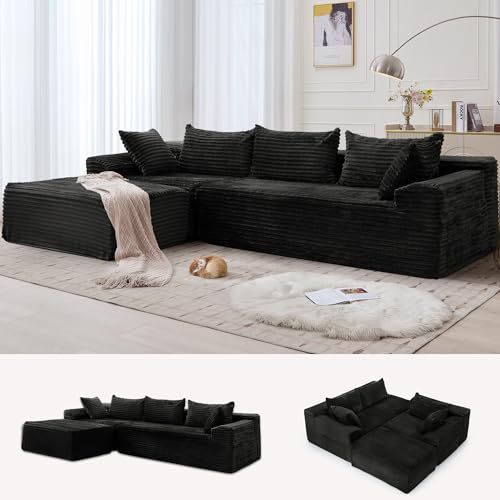


Consider adopting modular or convertible designs that can be easily assembled and disassembled. This approach not only maximizes space but also simplifies moving pieces in and out of higher floors. Make sure to measure doorways and hallways beforehand to prevent complications during installation.
Securing Items for Elevated Living Spaces
Consider utilizing local delivery services that specialize in urban settings. These companies often provide options for transporting larger pieces to upper floors, ensuring a smoother process.
Online marketplaces like Craigslist or Facebook Marketplace can yield sellers willing to assist with transportation. Establishing clear communication and arranging for pick-ups can simplify acquisitions.
Engage with neighborhood groups or apps like Nextdoor to seek recommendations for movers experienced in multi-story structures. Feedback from locals can guide towards reliable teams.
Take advantage of assembly services that many retailers offer. This not only saves effort but helps to maneuver items through narrow hallways and elevators.
Measure doorways and elevator dimensions before purchasing. Verify that the desired items can fit into the designated living area seamlessly.
Renting items instead of purchasing outright can also be a pragmatic choice for those adjusting to an elevated lifestyle. Services like Rent-A-Center can provide necessary essentials without the commitment.
Lastly, explore modular or disassembled options when considering larger pieces. These designs facilitate transportation and assembly while maintaining aesthetic appeal.
Measuring Your Space for Furniture Fit
Begin by gathering a reliable measuring tape. Identify the key areas within the living space where items will reside–each wall, nook, and corner plays a role in the overall layout. Carefully note down the dimensions of these areas, including height, width, and depth. This foundational step ensures that the selected pieces will fit seamlessly.
Account for Doorways and Elevators
Before bringing in any large items, measure the dimensions of doorways and elevators. This includes not only width but also the clearance height. I often find that even if an object fits through a doorway, its bulk can make maneuvering tricky. Ensuring that each passageway can accommodate the chosen piece is crucial for a smooth transition.
Visualize the Layout
Utilize graph paper or a digital space planner to create a to-scale layout. Mark the position of each piece according to the gathered measurements. This visualization assists in identifying potential traffic flow issues and optimal arrangements. Consider leaving room for walking paths and access to outlets. Taking time to plan can prevent costly mistakes related to size and arrangement.
Choosing the Right Delivery Method for High Rise Units
Research on local delivery services has proven invaluable. Options vary from specialized moving companies to standard parcel services. Prioritizing businesses experienced with high-altitude logistics simplifies the process.
Types of Delivery Methods
- Parcel Carriers: Ideal for smaller items. Services like FedEx or UPS can handle packages that fit through elevator doors.
- Specialized Movers: Suitable for oversized items and delicate pieces. They often provide tools and equipment necessary for safe transport.
- DIY Options: Using personal transport for smaller items can save costs, but requires careful planning regarding parking and elevator access.
Considerations for Delivery
- Elevator Access: Confirm dimensions and availability to prevent delays.
- Building Regulations: Some facilities require permits for large move-ins. Check with the management.
- Timing: Schedule deliveries during non-peak hours for efficient access.
- Assembly Needs: Verify if the delivery service includes assembly for complex pieces.
Specifying delivery needs upfront ensures that the chosen method aligns with the unique characteristics of the living space while maintaining convenience and efficiency.
Exploring Furniture Assembly Options in High Buildings
Opt for ready-to-assemble pieces that simplify the setup process. These items typically come with clear instructions and all necessary tools, allowing for streamlined installation in limited spaces.
Consider Professional Assembly Services
Utilizing a professional assembly service can alleviate stress and ensure accurate setup. Many retailers offer this option during the purchase process. Research local installers who specialize in this type of work to guarantee expertise and safety.
DIY Assembly Tips
If tackling assembly personally, ensure adequate space is available. Clear pathways for movement and organize all components beforehand. Utilize tools such as a power drill and level for precision. Following step-by-step instructions will lead to successful assembly.
| Assembly Option | Pros | Cons |
|---|---|---|
| Ready-to-assemble | Cost-effective, space-efficient | Time-consuming, may require tools |
| Professional Assembly | Expert setup, time-saving | Additional cost, scheduling |
| DIY Assembly | Fully customizable process | Requires skill, potential for error |
Navigating Elevator Restrictions for Large Items
Check elevator specifications beforehand. Most buildings have weight limits and size restrictions. Contact the property management for elevator dimensions and load capacity. Some may require advance notice or reservation for large deliveries.
Time Slot Reservation
Schedule deliveries during off-peak hours. Weekdays, particularly mid-morning or early afternoon, often have less traffic. Confirm the reserved time with both the delivery company and the building management to avoid last-minute hiccups.
Alternative Access Routes
Investigate alternative entry points if the main elevator is unsuitable. Some buildings might allow deliveries through service entrances or stairwells, especially for oversized items. Confirm any rules regarding stair use with management, as this can vary by building.
Utilizing Outdoor Spaces for Furniture Hauling
Accessing balconies, terraces, or rooftop spaces can provide a practical solution for transporting large items. Employing a professional moving service with expertise in outdoor hauling is advisable to ensure safety and efficiency. Using a crane for heavy pieces may be necessary; ensure permissions are secured from building management and that the proper equipment is utilized.
Another option involves utilizing a stairwell if outdoor areas aren’t feasible. Verify that all staircases are wide enough to accommodate oversized items, and consider disassembling larger pieces beforehand to facilitate their transportation. Always check the hours designated for moving activities to avoid disruptions.
Using pulley systems can also be an innovative approach. Securely attach items to a sturdy rope or straps and carefully lower them to ground level or raise them to upper floors. This method requires adequate safety precautions and potentially assistance from professionals experienced in rigging.
Weather conditions play a significant role when employing outdoor methods. Prioritize timing activities during clear weather, as rain or strong winds can pose risks. If outdoor conditions seem unfavorable, postponing the move is wise to prevent accidents or damage.
Lastly, engaging neighbors can provide valuable assistance. Gather a small group to assist with lifting and managing outdoor equipment, thus ensuring a smoother process. Proper coordination and teamwork often lead to effective solutions for transporting items to those higher living spaces.
Finding Local Services Specializing in High Rise Moves
Research online for companies that focus on vertical relocations. Platforms like Yelp and Google Maps can help identify movers with experience in navigating tall structures. Pay attention to customer reviews specifically related to apartment transitions.
Contact local real estate offices for recommendations. Many agents work directly with moving services and can provide insights into reliable options. Inquire about their familiarity with any unique building regulations that may impact logistics.
Networking with Neighbors and Community Groups
Utilize community boards or social media groups to ask for suggestions. Establishing connections with locals can yield firsthand experiences regarding which services deliver quality work. Don’t hesitate to request quotes from multiple providers to compare prices and availability.
Checking Credentials and Experience
Ensure the selected mover has the necessary licenses and insurance. This helps mitigate risk during the moving process and offers peace of mind. Asking for proof of prior high-rise experiences is also beneficial to confirm their capability in handling large items and complex navigation.
Considering Modular Furniture for Small Spaces
Prioritizing modular options significantly optimizes limited areas. These pieces can be rearranged or expanded depending on daily needs, which is advantageous in constrained living environments. Select items that serve multiple purposes, like a sofa bed or an ottoman with storage. This versatility enhances functionality without overcrowding.
Measurement is critical before deciding on modular elements. Assess dimensions carefully to ensure compatibility with layout variations. Always visualize how arrangements can transition from day to night or alter for gatherings, maintaining openness and flow.
When sourcing modular designs, consult local retailers or online platforms that specialize in compact solutions. Delivery services often accommodate assembly options, allowing swift adaptation once received. Consider collaborations with manufacturers that provide instructions or even video tutorials for hassle-free setup.
In cases of limited elevator capacity or access restrictions, prefabricated pieces that require minimal assembly can reduce complications. Search for lightweight materials that simplify transport and repositioning, enabling effortless maneuvering through tight corridors or stairwells.
Emphasizing outdoor areas for additional storage may work well with select modular pieces. Outdoor sheds or balconies can benefit from furniture that resists weather elements, allowing for more interior space without sacrificing aesthetics.
Team up with local service providers who focus on seamless transitions for elevated structures. They often have tailored solutions that expedite the moving process while ensuring care for all items being relocated to distinct levels.
FAQ:
What are the best methods to move furniture into a high-rise apartment?
Moving furniture into a high-rise apartment can be challenging due to limited elevator space and accessibility. One effective method is using furniture dollies or sliders to easily maneuver items. Hiring professional movers experienced with high-rise buildings is also advisable, as they often have the right equipment and knowledge of building regulations. Additionally, disassembling larger pieces before transport can make the process smoother.
Are there any specific considerations for deciding on furniture size in a high-rise apartment?
Yes, considering the size of your furniture is important in a high-rise apartment, which typically has limited space. Measure the dimensions of your rooms and individual furniture pieces before purchasing. It’s often best to choose multi-functional furniture, like a sofa bed or storage ottoman, to maximize space. Avoid overly bulky items that can overwhelm a smaller room and ensure there’s adequate walking space between pieces.
What challenges might I face when ordering large furniture for a high-rise?
Ordering large furniture for a high-rise can present several challenges, such as delivery restrictions imposed by the building’s management. Some buildings may require scheduling specific delivery times or may have size limitations for items that can fit in the elevators. Additionally, parking restrictions can complicate the delivery process. It’s important to communicate with your building’s management before placing an order to discuss any potential issues.
Can I use the building’s service elevator for moving furniture into my apartment?
Whether you can use the building’s service elevator often depends on the building’s policies. Many residential high-rises have designated service elevators for moving furniture and other large items. You may need to coordinate with the building management to reserve the elevator during your move, especially if it’s a busy time. Make sure to check the rules to avoid any delays or extra fees.
How can I safely assemble furniture in a high-rise apartment?
To assemble furniture safely in a high-rise apartment, start by clearing enough space to work. Lay down protective coverings on the floor to avoid scratches. Ensure all tools are available before you begin to avoid unnecessary movement. If possible, have someone help you, especially for larger items, to prevent accidents. Follow assembly instructions carefully and be mindful of your surroundings to avoid damaging walls or other furniture during the process.
What are the best ways to get large furniture into a high-rise apartment?
Getting large furniture into a high-rise apartment can be tricky, but there are a few effective methods. One of the most common ways is using the building’s service elevator, which is often designated for moving heavy items. Before planning your move, checking with the building management to reserve the elevator for specific times is essential to avoid delays. If the service elevator is not an option or is unavailable, consider hiring a moving company that specializes in high-rise moves. They usually have the right equipment, like cranes or hoists, to lift furniture through windows or balconies. Additionally, disassembling furniture before moving can make it easier to fit through doors and hallways. Be sure to measure doorways and hallways ahead of time to ensure your furniture can pass through easily.
What should I consider when choosing a moving company for my high-rise apartment?
When selecting a moving company for a high-rise apartment, several factors warrant attention. First, research companies that have experience handling high-rise moves, as they are familiar with the unique challenges these situations present. Look for reviews and ratings from past customers, focusing on comments regarding their efficiency, professionalism, and ability to maneuver furniture in tight spaces. Additionally, inquire about their insurance and liability coverage to ensure your belongings are protected during the move. It’s also wise to ask about their equipment, like dollies or hoisting systems, which are especially useful in high-rise situations. Finally, get a written estimate and clarify any additional fees that might apply, such as elevator reservations or long carry charges. This preparation helps to ensure a smoother moving process with fewer surprises.


