Caleb Turner
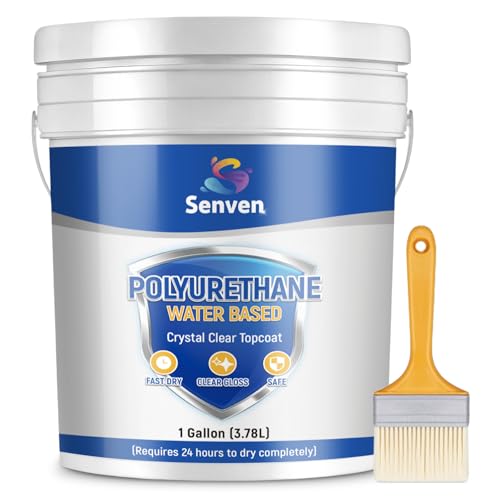
Applying a clear topcoat made from polyurethane or wax can significantly enhance the durability of any repurposed item. Consider using a water-based polyurethane for faster drying and less odor, suitable for indoor use.
Before sealing, ensure the surface is clean and completely dry. Lightly sand with fine-grit paper for improved adhesion, then wipe away any dust with a damp cloth. After preparing the surface, apply the sealant with a high-quality brush to achieve a smooth, even layer.
For a more rustic appearance, opt for a paste wax. This method not only protects but also offers a soft sheen. Buffing the wax after application will bring out a slight luster without making the surface overly glossy.
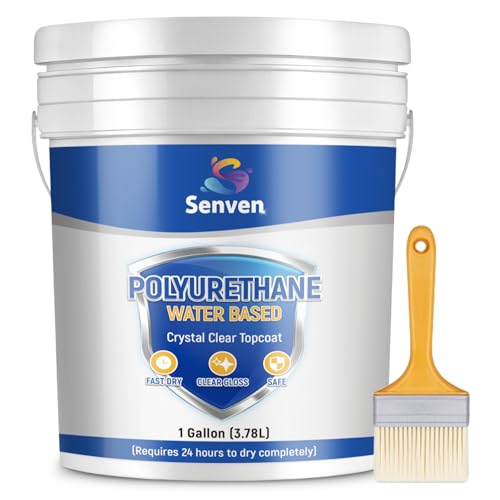


Two to three coats of your chosen sealant are recommended to achieve optimal protection, especially on high-use items. Allow sufficient drying time between coats, following the manufacturer’s instructions for best results.
Choosing the Right Topcoat for Chalk Paint
Select a water-based polyurethane for a durable and clear finish. This option offers protection against scratches and stains while maintaining the matte appearance of the original coating.
Consider using a paste wax for a softer sheen and a more traditional look. It provides a warm glow and enhances the texture, though it requires more frequent reapplication.
Test your selected topcoat on a small, inconspicuous area to ensure compatibility. Some products can alter the underlying color or finish, so this step is crucial.
Look for non-yellowing formulations to maintain the integrity of light colors. This will prevent any unwanted tinting over time.
For high-traffic areas, a satin or semi-gloss finish may be more appropriate, offering better resistance to wear and tear while adding a subtle shine.
Always follow the manufacturer’s recommendations for application and drying times to achieve optimal results. Inconsistent application can lead to streaks or uneven coverage.
Finally, consider environmental factors such as humidity and temperature, as they can influence drying times and overall performance of the finish.
Preparing the Surface Before Finishing
Properly preparing the surface significantly impacts the durability of the protective layer. First, ensure the surface is clean and free from dust and debris. I typically wipe down the piece with a damp cloth, possibly using a mild soap solution if necessary. After wiping, a thorough drying period is essential to prevent moisture from interfering with adherence.
Next, examine the surface for imperfections or rough spots. I often use fine-grit sandpaper (220-grit) to lightly sand any uneven areas. This step not only smooths out the texture but also promotes bonding with the subsequent sealant. After sanding, I vacuum the area or use a tack cloth to remove all dust particles.
Repairing Damages
If any chips or scratches are identified, consider filling them with wood filler. Applying it evenly, then sanding once it’s dry offers a cohesive surface for the topcoat. Always allow adequate drying time as per the filler manufacturer’s instructions; rushing this process can lead to issues later.
Testing and Final Check
Before proceeding to the sealing stage, performing a test patch is advisable. This can help assess how the topcoat interacts with the underlying layer. After applying the sealant to a small, inconspicuous area, I wait for it to cure before evaluating the finish. This test can save time and materials by confirming compatibility.
Applying a Clear Wax: Step-by-Step Guide
For a durable finish, applying a clear wax is crucial after working with milk-based finishes. First, gather the necessary tools: a clean, soft cloth or wax brush, clear wax, and a container for the wax.
Step 1: Prepare Wax
Open the wax container and stir it well to ensure an even consistency. It’s important to have the wax properly mixed to achieve a smooth application.
Step 2: Apply Wax
Using a cloth or brush, pick up a small amount of wax. It’s better to start with less; additional product can always be added. Apply it in a circular motion, ensuring even coverage across the surface. Work in small sections for best results.
Step 3: Buff and Shine
Allow the wax to sit for about 5-10 minutes before buffing. Use a clean, dry cloth to buff the area, enhancing the sheen and removing any excess product. The more buffing, the shinier the finish.
Step 4: Curing Time
Let the wax cure for at least 24 hours before heavy usage. This helps in hardening the wax and maximizing durability.
Maintenance Tips
| Tip | Description |
|---|---|
| Regular Dusting | Use a soft cloth to prevent dust buildup. |
| Avoid Excessive Moisture | Keep surfaces dry to prolong the wax finish. |
| Reapplication | Reapply wax every 6 months for optimal protection. |
Following these steps ensures a protective and aesthetically pleasing finish over time. Consistent maintenance prevents wear and keeps the surface looking fresh.
Using Polyurethane for Durability
Applying polyurethane enhances the durability of the surface. Choose between water-based and oil-based formulations, each offering distinct advantages. Water-based options dry quickly and emit fewer odors, making them user-friendly. Oil-based varieties provide a more robust finish but require longer drying times.
Application Tips
Ensure the environment is well-ventilated and the temperature is suitable. Prepare the surface by lightly sanding to create a smooth base. Use a high-quality synthetic brush or foam applicator for an even coat. Apply the polyurethane in thin layers, allowing each coat to dry thoroughly before adding another. Aim for at least two to three coats to achieve optimal protection.
Maintenance and Care
After the application, allow the surface to cure for several days before heavy use. Regular cleaning with a damp cloth and non-abrasive cleaner will maintain the finish. Avoid harsh chemicals that could damage the polyurethane layer, ensuring longevity and sustained appearance.
DIY Solutions for Homemade Finishes
Creating personalized, homemade coatings can significantly enhance the character of painted items. Here are a few practical recipes and tips for unique finishes.
1. Homemade Clear Wax
For a soft, matte finish, mix equal parts of natural beeswax and a food-safe oil, such as coconut or mineral oil. Melt the beeswax in a double boiler, then slowly add the oil, stirring until fully combined. Allow the mixture to cool and solidify. Apply with a soft cloth, working in small sections, and buff to achieve a smooth sheen.
2. Milk Paint as a Topcoat
For those seeking a rustic look, consider milk paint. Combine casein (found in powdered milk) with water and pigments. This paint bonds uniquely to surfaces, creating an authentic, earthy finish. Apply in layers, distressing between coats if desired, to achieve a weathered appearance.
- Pros: Eco-friendly, safe for indoor use.
- Cons: Requires a bit more preparation, as surfaces might need sealing first.
3. Vinegar and Natural Oil Blend
A simple solution can be made by mixing one part vinegar with three parts olive oil. This mixture not only nourishes the wood but also provides a mild, protective layer. Apply it with a cloth, allowing it to penetrate before wiping off excess for a light sheen.
4. Coffee or Tea Stain
To give surfaces an antiqued look, brew strong coffee or tea. Use a brush to apply it directly onto the surface. The natural tannins will create a rich, dark hue. Seal with any homemade wax or oil after application.
Experimenting with these homemade finishes not only enhances aesthetics but can also provide protection tailored to your desired look. Adjust ingredients and techniques based on the mood and style you wish to achieve.
Tips for Achieving a Smooth Finish
Begin with thorough sanding, using fine-grit sandpaper (220-320 grit) to eliminate imperfections. This creates a level surface, enhancing the final look. Ensure each layer is completely dry before proceeding to the next, as moisture can lead to rough textures.
Use a Foam Roller
Apply a clear topcoat with a foam roller for an even, streak-free application. Roll in thin, consistent layers, allowing adequate drying time between coats. This method minimizes brush strokes and provides a sleek appearance.
Buffing for a Shine
After the final coat is dry, gently buff the surface with a soft cotton cloth to add luster. This step can enhance the overall finish and provide a smooth, refined feel. Maintain consistency throughout the process for best results.
Preventing Yellowing in White Finishes
To minimize yellowing in white coatings, selecting high-quality water-based finishes is crucial. These provide a clearer appearance and resist discoloration over time.
Key Recommendations
- Opt for finishes labeled as non-yellowing or UV-resistant.
- Consider mixing a colorant into the topcoat to enhance performance and prevent yellowing.
Application Techniques
Applying in a well-ventilated area helps the finish cure properly, reducing the chance of yellowing. Thin, even coats allow for better balance and durability.
Storing items away from direct sunlight can also extend the life of the finish. It’s beneficial to choose a location with stable temperatures, avoiding extremes that could contribute to changes in color.
Regular maintenance and cleaning with gentle, non-abrasive solutions will preserve the appearance and prevent surface degradation, which can lead to yellowing.
Maintaining and Caring for Finished Chalk Painted Furniture
Regular dusting with a soft, dry cloth ensures the surface remains clean and free from debris. Avoiding harsh chemicals extends the life of the finish; mild soap and water work effectively for deeper cleaning. Always dampen the cloth rather than soaking the piece directly.
Periodic Reapplication of Protective Coatings
Reapplying protective layers every 6 to 12 months is advisable, based on usage and exposure to elements. This could involve reapplying clear wax or a topcoat to maintain the integrity of the surface. Pay attention to areas that receive more wear and tear, such as tabletops, where frequent contact occurs.
Addressing Scuffs and Scratches
For minor scuffs, a damp cloth can sometimes lift the mark. If that fails, a light sand followed by a touch-up with matching paint can restore the area. Wax can be reapplied afterward to blend repairs seamlessly into the surrounding finish.