
 Caleb Turner
Begin with a thorough assessment of the situation. If the surface appears swollen or misshaped, gently apply heat using a hairdryer on the lowest setting, keeping it at a safe distance to avoid further harm. This technique helps in gradually restoring the original form.
Next, for stains or discoloration, a solution of vinegar and olive oil can be applied. Mix equal parts to create a maintenance blend. Using a soft cloth, rub it onto the affected areas in the direction of the grain. This not only cleans but also nourishes the fibers.


If there are deeper imperfections, consider using a specialized wood filler. Select a product that matches the hue of your item. Apply it delicately, ensuring it digs into crevices effectively. Once dry, sand it down using fine-grit paper to achieve a seamless finish.
Finally, to protect against future incidents, consider applying a suitable sealant. This preventative measure creates a barrier against moisture, enhancing longevity and preserving the aesthetics of your cherished pieces.
Assessing the Extent of Water Impact
Begin with a visual inspection, checking for discoloration, warping, or unexpected softness of the surface. Examine joints and seams closely; any signs of separation may indicate severe effects. Pay attention to the presence of mold or mildew, which can signal prolonged exposure to moisture.
- Identify affected areas by feeling the texture; a rough or fuzzy surface can suggest incomplete drying.
- Use a moisture meter to measure the level of humidity within the material. Values above 14% often indicate serious concerns.
- Perform a detailed examination by removing drawers and inspecting inside compartments; hidden areas can also suffer harm.
Once the inspection is complete, document findings for reference. Prioritize repairs based on severity, addressing the most compromised sections first. If areas exhibit significant swelling or cracking, consider consulting a specialist for further assessment.
Gathering Necessary Tools and Materials
Having the right tools and supplies ensures a smooth process when restoring affected pieces. First, collect clean, soft cloths for absorbing moisture and polishing. Microfiber or cotton options work well.
Next, acquire wood repair kits that include fillers, which help in addressing dents or scratches. Look for products specifically formulated for the type of surface damage encountered.
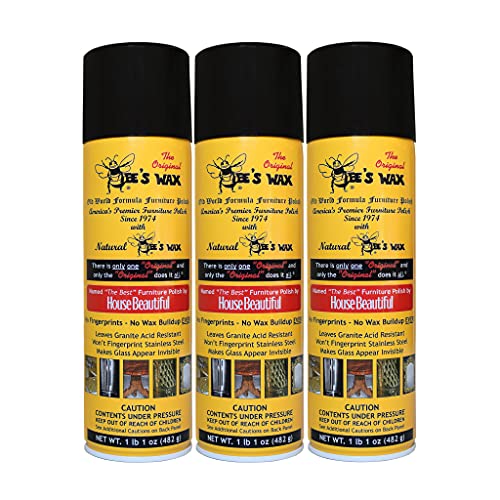
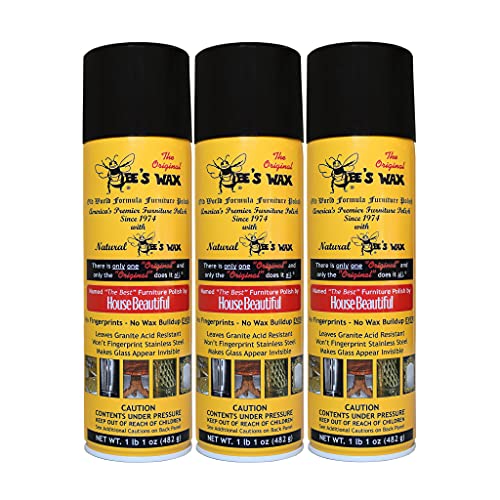
A gentle wood cleaner and a high-quality beeswax polish can enhance shine while providing added protection. Ensure that the cleaner is suitable for the specific finish of the item.
For deeper repairs, sandpaper in various grits (fine and medium) is essential. This will allow for smoothing surfaces and blending repaired areas with the surrounding finish.
Equipping a heat source, like a hairdryer or an iron (set to low), can aid in evaporating lingering moisture efficiently.
Finally, gather a utility knife, putty knife, and a paintbrush for applying finishes or fillers precisely. These tools will enable meticulous work and improve the end result.
Drying the Affected Area Properly
Begin drying as soon as possible to reduce further absorption of moisture. Utilize absorbent cloths or towels to blot up excess liquid. Lay them over the wet spots, pressing down firmly but not rubbing. This approach minimizes the risk of pushing moisture deeper into the grain.
Next, create airflow around the area. Position fans to circulate air, which aids in evaporation. If possible, open windows to enhance ventilation. An air conditioner can also help by removing humidity from the air.
- Consider using a dehumidifier, especially in a closed environment. This device significantly lowers humidity levels, accelerating the drying process.
- Check the humidity in the area regularly with a hygrometer. Aim for a level below 50% for optimal drying.
Avoid direct heat sources such as hair dryers or radiators. These can cause warping or cracking in the surface material. Instead, allow natural air movement to facilitate even drying.
Monitor the fabric closely over the next few days. Ensure no residual dampness remains. If any wet spots are detected, repeat the drying steps until completely dry.
Patience is key during this phase. Leaving the area undisturbed aids in proper evaporation and minimizes the risk of staining or mold development.
Cleaning the water-damaged surface
Begin with a solution of mild dish soap and warm water. Dampen a soft cloth with the mixture, ensuring it is not overly wet. Gently wipe the affected area, removing any residual dirt or contaminants.
Removing Stains
If stains remain after initial cleaning, a paste made from baking soda and water can be applied. Spread the paste on the stain, allow it to sit for a few minutes, then gently scrub with a soft cloth. Rinse with a damp cloth and dry thoroughly.
Final Touches
Use a clean, dry microfiber cloth to buff the surface. If the finish looks dull, a small amount of furniture polish can be applied to restore shine. Ensure the area is completely dry before moving on to any restoration processes.
Repairing Minor Dents and Warps
For small dents, a steam method works wonders. Place a damp cloth over the indentation and apply a heated iron for a few seconds. The moisture penetrates the wood, allowing it to swell back to its original shape. Avoid direct contact of the iron with the surface to prevent burns.
If the piece exhibits warping, gently wet the concave side with a sponge and apply some weight on the opposite side. This may help restore the original form. Allow the wood to dry gradually, avoiding heat sources that could cause further issues.
For both repairs, once the surface appears even, sand lightly with fine-grit sandpaper. This step smooths any rough spots and prepares the area for finishing. Finish with a matching stain or sealant to ensure the repaired spots blend seamlessly with the rest of the item.
Reapplying Finish to Restored Areas
Choosing the right finish is critical. I recommend using a stain or clear coat that matches the original texture and hue of the surface. This ensures seamless integration with the unaffected parts.
Before applying the new finish, ensure that the repaired areas are completely dry and clean. Any residue could affect the adhesion and appearance of the finish.
Here’s a straightforward approach for the application:
| Step | Action |
|---|---|
| 1 | Use fine-grit sandpaper to lightly scuff the surface. This helps the new finish bond effectively. |
| 2 | Wipe down the area with a damp cloth to remove dust and particles. |
| 3 | Apply the chosen finish. For even results, I prefer a brush over a spray can; it allows for more control. |
| 4 | Allow the first coat to dry as per the manufacturer’s guidelines. Typically, this takes several hours. |
| 5 | Sand lightly between coats to enhance the smoothness before applying additional layers. |
| 6 | Once the desired coverage is achieved, allow the final coat to cure completely. This may take up to several days. |
To ensure a consistent sheen, I usually examine the surface under different lighting conditions after the finish is applied. If there are discrepancies, additional touch-ups might be necessary.
Maintaining furniture regularly will help preserve the restored areas, preventing future issues from arising.
Treating mold and mildew on wood
I recommend using a mixture of equal parts white vinegar and water for treating mold and mildew. Dampen a cloth with the solution and gently scrub the affected areas. This method helps eliminate the spores without damaging the finish.
If vinegar alone does not suffice, consider a solution of one cup of bleach to a gallon of water. Apply this carefully with a sponge and ensure proper ventilation while working. Protect the surrounding surfaces to avoid harmful reactions.
After applying any cleaning solution, allow the area to air dry completely. This helps prevent further mold growth. Follow up by inspecting the area for any remaining signs of mildew and repeat the cleaning process if necessary.
For persistent mold residues, a soft-bristled brush can be effective. Use it gently to avoid scratching the surface. Always remember to wear gloves and a mask during the cleaning process to protect yourself from exposure to spores.
<p.Once the area is clean and has dried thoroughly, consider applying a sealant or a protective finish designed for wood. This adds a layer of protection against future moisture issues and helps sustain the beauty of the piece.
Preventing Future Water Damage
Regularly inspect spaces where wooden pieces are kept, looking for any signs of moisture or leaks. Install dehumidifiers in areas prone to humidity, especially basements or rooms without proper ventilation. Utilize moisture absorbers, such as silica gel packs, to maintain dryness in closed environments.
Seal surfaces with a high-quality protective finish, ensuring the wood is less porous and more resistant to spills. Periodically reapply the finish according to the manufacturer’s recommendations to maintain its effectiveness. Invest in coasters and placemats to protect surfaces from liquid exposure during everyday use.
Consider using furniture sliders or felt pads under heavy items to avoid trapping moisture underneath. Keep wooden items away from direct heat sources or air vents, as rapid changes in temperature can compromise integrity. Maintain a consistent temperature and humidity level within the home to reduce the risk of condensation.
Develop a habit of cleaning spills immediately with a soft cloth to minimize absorption. Encourage careful handling of drinks and containers to prevent accidental spills. In high-risk areas, use waterproof covers as an additional safeguard.
Knowing When to Seek Professional Help
If I observe extensive scarring or irreversible distortions on my items, I determine that it’s time to consult a specialist. Signs to look for include significant buckling, large cracks, or structural instability that may compromise the item’s integrity.
Should persistent odors or visible mold be present despite my cleaning attempts, immediate professional intervention is warranted. Mold can pose health risks and may not be resolvable through standard maintenance.
In cases where high-value antiques or sentimental pieces are affected, relying on expert restoration services becomes critical. Their knowledge ensures that the approach taken preserves the item’s value and historical significance.
If extensive refinishing is needed or there’s a risk of complicating the repair process, I would prefer to hand it over to certified craftsmen. Their experience guarantees the best outcomes without inadvertently causing more harm.
Particularly for complex finishes or bespoke designs, seeking help ensures these are restored with accuracy. It’s prudent to consider professional services as an investment in the preservation of cherished items.
FAQ:
What are the initial steps to take when I discover water damage on my wood furniture?
First, it’s important to assess the extent of the water damage. Remove any items from the furniture and dry the area with a clean, soft cloth. If the wood has absorbed moisture, you may need to leave it to air dry. Ensure the furniture is in a well-ventilated space to speed up the drying process. You should also consider using fans or a dehumidifier to help expel moisture from the wood.
Can I fix minor water stains on my wood furniture myself?
Yes, repairing minor water stains is often a simple process. You can mix a solution of equal parts vinegar and olive oil. Apply it gently to the stained area with a soft cloth using circular motions. This mixture can help to restore the finish and remove the stain. If the stain persists, you might need to sand the area lightly and reapply the finish to match the rest of the surface.
What if my wood furniture has warped due to water damage?
If your wood furniture has warped, the first step is to try to restore its shape. Place the piece in a warmer, dry area and use clamps to gently push it back into its original form, making sure to check for any cracks or splits. If the warping is severe, professional restoration may be required, which could involve reshaping the wood and refinishing the piece to ensure it looks good as new.
Should I worry about mold growing on my water-damaged wood furniture?
Yes, mold growth can be a concern after water damage, especially in humid environments. To prevent mold, ensure your furniture is completely dry. If you notice any signs of mold, clean the affected area with a mixture of water and a small amount of detergent. Be cautious when handling mold, and wear protective gear if necessary. In persistent cases, consider consulting a professional for safe removal.
How can I prevent future water damage on my wood furniture?
To prevent future damage, keep your wood furniture away from direct sources of moisture, such as windows with heavy condensation or areas prone to spills. It’s also helpful to apply a protective finish to your furniture, which can act as a barrier against moisture. Regularly check for signs of wear and address them promptly, as timely maintenance can go a long way in preserving the integrity of your wood furniture.


