Caleb Turner

The initial approach to tackle filth on timber surfaces involves a simple mixture of warm water and gentle dish soap. Dampen a microfiber cloth with this solution, ensuring it is not soaking wet, and wipe down the surface to remove surface grime.
After the first wipe, addressing stubborn stains may require a paste of baking soda and water. Apply this mixture directly to the stained area, allowing it to sit for approximately 10 minutes before buffing it gently with a clean, soft cloth. This method utilizes the natural abrasive properties of baking soda while being safe for finishes.
To revive the luster of polished pieces, a blend of vinegar and olive oil can be particularly beneficial. Combine one part vinegar with two parts olive oil, apply a small amount to a cloth, and polish the surface in the direction of the grain. This not only cleans but also nourishes the timber.
Regular maintenance is key; dusting weekly with a dry cloth can prevent buildup and keep the surfaces looking pristine. Scheduling deeper cleaning sessions every few months ensures longevity and maintains the beauty of these valuable assets.


Identifying the Type of Wood Finish
To accurately assess the finish on a surface, I examine its appearance and feel. Glossy surfaces generally indicate a lacquer or polyurethane coat, while a matte or satin finish is often characteristic of oil or wax treatments. To conduct a quick test, I apply a small amount of water to an inconspicuous area. If the water beads up, the finish is likely varnish or polyurethane; if it absorbs, it’s probably oil or wax.
Observing the Sheen
The sheen level provides further clues. High-gloss finishes are easier to wipe clean but may need stronger solvents for deep cleaning. Semi-gloss and satin finishes strike a balance, offering durability while still being forgiving with milder cleaners. In contrast, oil and wax finishes, although beautiful, often require softer cleaning methods to avoid dulling.
Scratching and Dulling
Lightly scratching a small, hidden area helps determine the durability of the coating. A hard finish that resists scratching indicates varnish or polyurethane, while softer finishes may show wear more easily. This test informs the approach for restoration or cleaning methods, ensuring the right materials are used for long-term care.
Gathering Necessary Cleaning Supplies
To tackle the task of rejuvenating heavily soiled wooden surfaces, I recommend assembling the following items:
- Soft cloths: Microfiber cloths are ideal as they trap dust and dirt without scratching.
- Bucket: A medium-sized bucket is useful for mixing cleaning solutions.
- Sponge: A gentle sponge assists in scrubbing without damaging finishes.
- Vacuum cleaner: A vacuum equipped with a brush attachment effectively removes loose debris.
- Cleaning solution: Use a mild soap or a specialized wood cleaner that is free from harsh chemicals.
- Vinegar or olive oil: These household items can be used as natural alternatives for polishing and conditioning surfaces.
- Wood polish or wax: After cleaning, applying polish or wax will enhance shine and protect the finish.
Optional Tools
- Scraper: A plastic scraper can assist in removing stubborn grime without harm.
- Gloves: Wearing gloves protects hands from harsh substances.
- Stiff-bristle brush: For areas that require more rigorous scrubbing, a soft-bristled brush can be effective.
Gathering these supplies will prepare me for a thorough revitalization of aged or neglected wooden items, ensuring the best outcomes through careful cleaning methods.
Preparing a Safe Cleaning Solution
I recommend mixing a gentle cleaning agent for the maintenance of delicate surfaces. A solution of warm water and a few drops of liquid dish soap works effectively without causing damage. For a stronger formula, combine equal parts of white vinegar and water. This mixture cuts through grime while remaining safe for various finishes.
Avoid harsh chemicals or abrasive cleansers as they may mar the exterior. Always test any prepared solution on an inconspicuous area first to ensure compatibility with the surface. This precautions will help in preserving the integrity of the finish.
If there are stubborn spots, a paste of baking soda and water can be applied directly, but again it’s wise to test beforehand. Mixing up a suitable cleaner requires minimal effort and ensures that the upkeep remains safe and effective throughout the process.
Testing the Solution on a Hidden Area
Before applying a cleaning solution broadly, I always test it in an inconspicuous spot. This approach ensures that any potential reaction with the surface will remain hidden.
Select a discreet area, such as the bottom of a leg or an inner corner. Apply a small amount of the cleaning mixture using a soft cloth. Gently rub the area for a few seconds, then allow it to sit for a minute. After that, wipe it clean with a damp cloth.
Observe the tested spot for any discoloration or adverse effects. If no damage occurs after a few minutes, proceed with confidence to tackle more visible areas. If there is any negative reaction, reconsider the cleaning agent or dilute it further.
This method minimizes the risk of causing lasting harm to the surface while ensuring effective maintenance. Always prioritize preservation while addressing stains and grime.
Applying the Cleaner to the Furniture
Using a clean microfiber cloth, I apply the chosen solution gently, ensuring even coverage without saturating the surface. It’s important to work in manageable sections, starting from one corner and moving systematically across the entire piece.
I prefer using circular motions to lift grime effectively, allowing the cleaner to penetrate and break down built-up residues. For particularly stubborn areas, I lightly press the cloth and hold it in place for a few moments before wiping it away.
After the initial application, I examine the area to determine if further treatment is necessary. If I notice lingering stains, I repeat the process with a bit more solution, always cautious not to over-saturate.
Throughout the process, I ensure adequate ventilation to facilitate drying and prevent any overpowering scents from lingering. After I finish each segment, I utilize a dry section of the cloth to buff and polish the surface, enhancing the natural sheen of the material.
Removing Stains and Grime with Techniques
To tackle stubborn stains and accumulated grime, I employ various techniques tailored to specific issues. For grease marks, a mixture of baking soda and water creates a paste that effectively lifts the residue. I apply it gently with a soft cloth and let it sit for about 10 minutes before wiping away.
For water rings, an equal blend of olive oil and vinegar serves as a powerful remedy. By rubbing this solution into the affected area, using a cloth in a circular motion, I can often erase the ring completely. Another effective method is using a hairdryer on a low setting; when held a few inches above the ring, it can help evaporate moisture trapped under the finish.
In the case of ink stains, a cotton ball lightly dampened with rubbing alcohol works wonders. It’s crucial to apply the alcohol carefully, dabbing rather than rubbing, to avoid further damage. As the ink begins to lift, I continue to blot with a clean cloth.
Persistent grime requires a more comprehensive approach. I mix warm water with a few drops of dish soap, using a soft sponge to wipe down the surface. Afterward, a thorough dry with a separate clean cloth is necessary to prevent any moisture from seeping in.
For really tough areas, I consider using a specialized wood cleaner. These products are formulated to target embedded dirt and can restore the original finish when applied correctly. Following the manufacturer’s instructions ensures optimal results without compromising the integrity of the surface.
After any technique, inspecting the surface closely is critical. I take note of changes and continue to repeat anything necessary until achieving a satisfactory condition.
Conditioning and Protecting the Wood After Cleaning
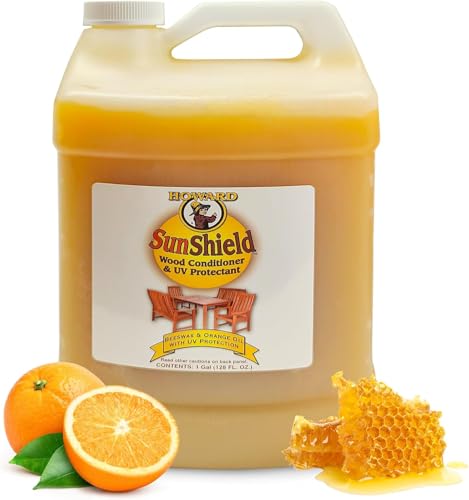
Applying a high-quality conditioner is essential after removing grime. This step replenishes oils that might have been stripped away during the cleaning process. Opt for a conditioner compatible with the specific finish of the wooden item. A silicone-free product avoids buildup and ensures a natural look.
Application Process
Use a soft cloth or sponge to apply the conditioner. Work in small sections and rub the product in against the grain, allowing it to absorb. Wipe away any excess product after a few minutes to prevent residue.
Protection Strategies
To further enhance the longevity of the surface, consider using a protective topcoat. Options include varnish, polyurethane, or a specialized wood wax. Each offers different levels of protection:
| Type of Finish | Protection Level | Sheen |
|---|---|---|
| Varnish | High | Glossy to matte |
| Polyurethane | Very High | Glossy, satin, semi-gloss |
| Wood Wax | Moderate | Satin |
Apply these coatings following the manufacturer’s instructions. Multiple coats may be necessary for optimal durability, allowing adequate drying time between applications.
Regular maintenance helps preserve the integrity of the piece. A light dusting and occasional conditioning can prevent buildup and maintain appearance. Avoid placing hot or wet items directly on the surface and use coasters to minimize damage.