
 Caleb Turner
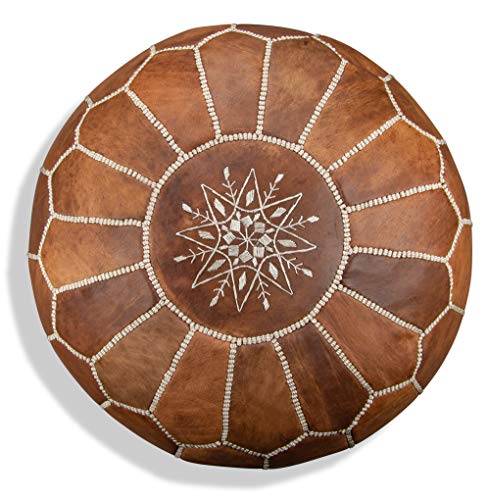
If you’re looking to enhance your living space, visiting local markets is a must. In Nairobi, areas such as Eastleigh and Westlands offer a vibrant selection of handcrafted pieces that reflect the rich cultural heritage of the region.
For those who prefer shopping online, several Kenyan e-commerce platforms feature unique designs and sustainable options. Websites like Jumia and Kilimall often have promotions that make your purchases more affordable. Check out local furniture stores’ social media pages for special discounts and modular options.


Additionally, consider exploring second-hand shops and flea markets, which can yield remarkable finds at a fraction of retail prices. Many expats and locals sell stylish items that might add an eclectic touch to your home.
Finally, engaging with local artisans can provide custom solutions tailored to your specific needs. Collaborating with a craftsman not only supports the local economy but also results in a one-of-a-kind piece that truly reflects your personality.
Options for Acquiring Furniture in Nairobi
Visit local marketplaces like Maasai Market for unique, handcrafted items. The vibrant atmosphere allows for haggling, ensuring you get a fair price.
Scan online platforms such as Jumia and Facebook Marketplace. These sites offer a variety of new and second-hand options, making it easy to compare prices and styles.
Consider collaboration with local artisans who can create custom pieces tailored to specific preferences. Engaging with craftsmen directly often leads to distinct designs that stand out.
Explore regional furniture stores, especially those specializing in contemporary designs. They typically provide delivery services, which adds convenience.
Check out estate sales or auctions; these can provide high-quality goods at substantially reduced prices. Ask around in the community for information on upcoming events.
Utilize relocation services if moving to private residences. Many offer package deals that include furnishing assistance, making the transition smoother.
Choosing the Right Style for Your Space
Focus on defining a theme that resonates with your personality. Consider styles like minimalism, industrial, or bohemian. Each style impacts color choices, material selections, and overall ambiance. For example, minimalism emphasizes clutter-free spaces using neutral tones and functional designs, while bohemian embraces vibrant hues and eclectic patterns.
Analyze Your Environment
Evaluate architectural features and natural light in your area. Traditional homes may align better with classic designs, while modern layouts could suit contemporary aesthetics. Take note of existing colors and textures. Create harmony by choosing furnishings that complement these elements instead of clashing.
Practicality Meets Aesthetics
Select items that serve a dual purpose–especially in smaller areas. A coffee table with storage or a sofa bed maximizes utility without sacrificing style. Remember to take your lifestyle into account. If you frequently host guests, opt for adaptable seating arrangements that encourage interaction. Prioritize materials that withstand daily use, ensuring both beauty and durability.
Where to Buy Home Decor in Nairobi
For quality options in the capital, consider checking out popular spots like Amani Interiors and Tuskys. These retailers feature a range of styles, from modern to traditional, suitable for different tastes and budgets.
Local Markets
Exploring local markets adds a unique touch to home spaces. Markets such as the Maasai Market offer handcrafted items that reflect the local culture. Prices are negotiable, so be prepared to engage in some bargaining.
Online Platforms
E-commerce websites like Jumia and Kilimall provide a convenient way to shop from the comfort of your home. They often have customer reviews and delivery options, making it easier to find exactly what you need.
| Store Name | Type | Location |
|---|---|---|
| Amani Interiors | Retail Store | Westlands |
| Tuskys | Department Store | Multiple Locations |
| Maasai Market | Local Market | City Centre |
| Jumia | Online Retailer | Online |
| Kilimall | Online Retailer | Online |
Understanding Local Prices for Home Decor
Researching the market serves as an effective method to grasp the typical costs associated with home decor items in this area. I often start by visiting various local shops to compare similar pieces. For instance, a standard wooden chair can range from KES 3,500 to KES 12,000, depending on the craftsmanship and materials.
To gain insights into price fluctuations, I frequently check online platforms where local artisans showcase their creations. Many times, handmade products offer better value than mass-produced alternatives. On average, bespoke tables, crafted from locally sourced timber, may fall between KES 15,000 and KES 30,000, reflecting the unique character of the piece.
Also, I never overlook seasonal sales. Certain stores host significant discounts during holidays, so waiting for these moments can result in considerable savings. For example, I purchased a stylish sofa marked down from KES 45,000 to KES 30,000 during a festive sale.
Keep in mind the additional costs, such as delivery fees, which can vary widely among retailers. Tracking local market trends through social media or community forums proves beneficial as well, revealing what others are paying for similar items.
Understanding local pricing dynamics equips me with the knowledge to make informed decisions, ensuring I stay within my budget while still acquiring quality decor for my home.
Tips for Custom Furniture in Nairobi
I recommend visiting local artisans for unique pieces tailored to your needs. They often provide a personal touch that mass-produced items lack.
Material Selection
Selecting the right materials is crucial. Consider durable hardwoods like mahogany or teak, which withstand Nairobi’s climate well. For upholstered items, choose fabrics that are easy to clean yet comfortable.
Collaboration with Designers
Working closely with a designer can help translate your vision into a functional layout. Discuss your preferences and ask for sketches or 3D visualizations to better understand how the final product will fit into your space.
Be aware of timelines. Custom work may take longer than expected, so plan accordingly to avoid delays in furnishing your home.
Finding Sustainable Options
Explore local artisans who specialize in eco-friendly pieces. I recommend visiting craft markets where you can find handmade items that utilize reclaimed materials. This not only supports local businesses but also reduces environmental impact.
Look for certifications like FSC (Forest Stewardship Council) when shopping for wooden goods. This ensures that the material is sourced sustainably. Many stores in the area offer certified options.
Prioritize textiles made from organic fabrics. Shops often have selections made from cotton or linen that are produced without harmful chemicals. This choice promotes both health and environmental benefits.
Research brands that emphasize low-waste manufacturing processes. Many companies are increasingly adopting practices that minimize waste and utilize sustainable materials, making it easier to choose responsibly.
Consider second-hand options such as thrift stores or online marketplaces. These can yield unique finds while extending the life cycle of existing items.
Join local eco-conscious groups or online forums to gather recommendations on sustainable suppliers. Engaging in community initiatives can also provide insights into off-the-beaten-path options.
- Visit local eco-friendly markets.
- Look for FSC-certified wood products.
- Choose organic textile options.
- Research low-waste brands.
- Explore second-hand items.
- Engage with local sustainable communities.
Hiring Local Craftsmen for Furniture Design
Engage skilled artisans when crafting custom pieces for your home. Seek out local talent through community workshops, artisan fairs, or online platforms that showcase their work. It’s crucial to examine their portfolios for style and quality that resonate with your vision.
Tips for Finding the Right Artisan
- Network within local design communities or forums for recommendations.
- Check reviews on social platforms and websites dedicated to crafts.
- Arrange face-to-face meetings to discuss your ideas and gauge their expertise.
Clear communication ensures that your preferences and expectations align seamlessly with the craftsman’s capabilities. Don’t hesitate to express detailed requirements; this fosters a collaborative environment.
Negotiating Costs and Timelines
- Request a detailed quote that outlines materials and labor costs.
- Set realistic deadlines, considering the artisan’s workload and your project scope.
- Explore options for partial upfront payment to secure your project while showing goodwill.
Establishing a respectful and understanding relationship leads to high-quality results. Avoid rushing decisions; thoughtful consideration often yields superior outcomes.
Best Practices for Delivery of Your New Items
Before scheduling the drop-off, confirm the size of doorways and hallways to ensure smooth passage. Measure your space to avoid last-minute complications. It’s advisable to coordinate a delivery time when you’re available to supervise the arrangement.
Communication with the Carrier
Always stay in touch with the delivery team. Request real-time updates on their location to better prepare for their arrival. Discuss any special instructions regarding placement or assembly in advance to avoid confusion.
Handling Delivered Objects
Once your products arrive, check for any signs of damage immediately. Document any issues with photographs and notify the vendor promptly to discuss replacements or refunds. If assembly is required, ensure there are tools on hand, or you might opt for professional help.
| Tip | Description |
|---|---|
| Measure Spaces | Ensure that items fit through entryways and into your desired area. |
| Stay in Contact | Communicate with the delivery personnel for real-time updates. |
| Inspect on Arrival | Check for damages as soon as items are delivered and document if necessary. |
| Prepare for Assembly | Have tools ready, or arrange for assistance if needed for set-up. |
Maintaining and Repairing Your Items
To prolong the life of your pieces, I recommend regular cleaning with a soft, damp cloth to remove dust and prevent scratches. For wooden surfaces, applying a specific polish every few months can enhance shine and provide a protective barrier against moisture.
Quick Fixes for Common Issues
For minor scratches on wooden surfaces, a mixture of equal parts olive oil and vinegar can work wonders. Simply dab it on the affected area and buff gently. If a leg becomes wobbly, tightening screws or adding furniture pads can stabilize it effectively.
Dealing with Fabric Wear
If upholstery starts to show signs of wear, consider using a fabric protector spray to shield against stains. For small tears, using a needle and thread for hand-sewing can often restore the integrity of the fabric. Additionally, regular vacuuming can help maintain the appearance by removing debris that leads to wear.


