
 Caleb Turner
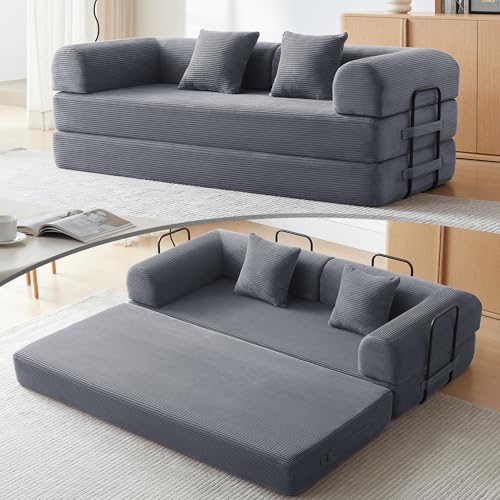
Directly engaging with manufacturers, I recommend exploring platforms like Alibaba and Global Sources. These sites connect you with a multitude of producers, allowing for competitive pricing and customization options that cater to diverse market needs.
Trade shows are invaluable for establishing contacts and discovering new trends. Attending events such as the High Point Market or the Las Vegas Market offers opportunities to meet suppliers face-to-face and negotiate deals directly. Make sure to come prepared with a clear idea of your target audience and an understanding of current styles.



Consider collaborating with local artisans or furniture makers if you seek unique pieces. This often leads to exclusive items that stand out in a crowded market. Forming partnerships can also lead to favorable buying terms and mutual marketing benefits.
Lastly, online wholesale marketplaces such as Wayfair and Overstock can be great assets, providing a broad range of styles and price points. Sign up for their newsletters to access special discounts and promotions aimed at bulk buyers.
Considerations for Sourcing Bulk Home Decor Items
I recommend exploring established online platforms that specialize in cost-effective home decor solutions. Websites like Alibaba, Wayfair Professional, and Overstock are excellent starting points. They cater specifically to business needs, providing access to a vast range of styles and materials at competitive prices.
Attending trade shows such as High Point Market and Las Vegas Market opens up networking opportunities and a chance to view merchandise in person. Engaging with local manufacturers can lead to unique, exclusive deals that larger retailers may not offer.
Local Strategies for Procuring Stock
Establishing relationships with local artisans can yield distinctive pieces that differentiate your offerings. Collaborating with smaller workshops often results in handcrafted items that appeal to niche markets. Consider joining regional business associations to connect with potential suppliers.
Utilizing Digital Resources
Subscribe to industry newsletters and forums that provide insights on emerging suppliers and market trends. Utilizing social media platforms for finding unique vendors can lead to fruitful partnerships, as many creators showcase their work on Instagram and Pinterest.
Identifying Reliable Wholesale Furniture Suppliers
Focus on suppliers with a strong reputation in the market. Check online reviews, ratings, and testimonials from other retailers. This initial step helps establish trust.
Evaluate their product range. A diverse selection indicates a well-established supplier. Look for those offering contemporary, classic, and niche items to cater to various consumer preferences.
Request samples. Quality matters significantly in this industry. By examining physical products, I can determine if the craftsmanship meets my standards before placing larger orders.
Investigate shipping policies. Reliable suppliers should provide transparent shipping options, including lead times and costs. This information is crucial for planning inventory and ensuring timely deliveries to customers.
Engage with customer service. Effective communication reflects professionalism. I reach out to inquire about their offerings, payment terms, and return policies. A responsive team usually indicates a commitment to client satisfaction.
Network within industry forums and trade shows. Connecting with other retailers often reveals trusted suppliers. Personal recommendations can lead to fruitful partnerships.
Analyze pricing structures. Competitive rates should not compromise quality. Finding a balance between cost and product integrity is vital for maintaining a profitable business model.
- Verify business credentials, such as licenses and certifications.
- Inquire about their return policy and warranties on products.
- Explore their payment terms to ensure flexibility.
Inspect their online presence. A professional website with regular updates and active social media engagement reflects stability and reliability.
Finally, trust your instincts. If something feels off during interactions, it may be best to explore other options. Building a successful operation relies on solid supplier relationships.
Online Marketplaces for Bulk Furniture Purchases
Consider exploring platforms such as Alibaba and Global Sources. These sites provide a vast selection of manufacturers and suppliers from across the globe, making it easy to source a variety of items at competitive prices.
Alibaba
Alibaba is among the largest business-to-business marketplaces worldwide. Here, I can:
- Connect with numerous suppliers.
- Request customized products.
- Engage in negotiations for pricing and terms.
Check the supplier ratings and customer feedback to ensure quality assurance before committing.
Global Sources
Global Sources focuses on verified suppliers, which adds a layer of trust. With this platform, I can:
- Browse through a diverse range of goods.
- Access detailed product specifications.
- Utilize their online trade shows for real-time purchasing opportunities.
Always verify supplier credentials and request samples to assess quality firsthand.
Explore other notable platforms like Made-in-China and DHgate as viable options. Each offers a different array of vendors suited for various budgets and preferences. Remember to compare shipping costs and lead times to ensure a smooth transaction process.
Evaluating Quality and Style in Wholesale Furniture
My approach to assessing standards and aesthetics revolves around several key factors. First, prioritize materials used in manufacturing. Solid wood, high-quality metals, and durable upholstery are indicators of longevity. Always request samples to feel and evaluate the texture and finish.
Examine the construction techniques employed. Dovetail joints in drawers and reinforced frames significantly enhance sturdiness. A detailed inspection of the assembly process helps in identifying potential weaknesses that might lead to future issues.
Style is as important as durability. Analyze current market trends and consumer preferences in various demographics. Research different aesthetic themes like mid-century modern, minimalism, or rustic, and ensure the pieces align with these trends to attract a broader audience.
| Factor | What to Look For |
|---|---|
| Material | Solid wood, high-grade metals, durable fabrics |
| Construction | Dovetail joints, reinforced frames, quality assembly |
| Style | Trendy designs, alignment with consumer preferences |
Lastly, consider the brand reputation. Established manufacturers often provide warranties that reflect their confidence in the quality of their products. Engaging with customer reviews can provide insights into long-term satisfaction and potential issues.
Understanding Shipping Options and Costs
Choose a shipping method that aligns with your budget and delivery timeline. Common options include freight shipping, ground delivery, and expedited services. Each choice affects how quickly items reach customers and the final cost. For bulky pieces, freight shipping is typically more economical, though it may take longer.
Request quotes from various carriers to get a clear picture of shipping expenses. Factors such as distance, weight, and size play a significant role in determining costs. Don’t overlook potential hidden fees, like fuel surcharges or residential delivery surcharges. Always read the fine print of the shipping agreement.
Consider consolidating orders to reduce shipping expenses. Ordering larger quantities may qualify for bulk rates, which can significantly lower the unit shipping cost. Additionally, explore whether suppliers offer shipping discounts based on order size or frequency.
Check lead times and reliability. Some carriers might promise lower rates but extend delivery times, which can impact customer satisfaction. Establish a good relationship with your chosen shipping provider to ensure better communication and service consistency.
Explore options for tracking shipments. Having real-time information helps manage customer expectations and enhances service quality. A robust tracking system can prevent confusion and allow for proactive communication regarding any delays.
Finally, consider incorporating shipping costs into your pricing strategy. Clearly communicate these expenses to your customers to avoid any surprises at checkout. Transparent practices build trust and can lead to repeat business.
Negotiating Prices with Wholesale Furniture Vendors
To achieve favorable pricing with suppliers, I focus on building a relationship and establishing mutual trust. This approach often leads to better deals and discounts.
Preparation is Key
- Research market prices to have a clear understanding of what is reasonable.
- Gather information about the vendor’s history, previous clients, and reviews.
- Determine your budget and specific needs to streamline negotiations.
Effective Negotiation Techniques
- Initiate conversations by expressing genuine interest in the vendor’s products.
- Ask open-ended questions to prompt discussion about pricing flexibility.
- Be honest about your budget constraints to encourage vendors to propose adjustments.
- Propose a trial order to test the market’s response, encouraging the vendor to offer lower prices as an incentive.
- Negotiate payment terms that align with cash flow projections, such as discounts for upfront payments.
Throughout the dialogue, remain professional and persistent to negotiate terms that benefit both parties. By implementing these strategies, I’ve successfully reduced costs while ensuring quality and reliability.
Exploring Local Manufacturers for Bulk Deals
Connecting with nearby producers can yield significant savings on large orders. I recommend starting by researching local trade shows or expos where manufacturers showcase their products. This provides a direct opportunity to engage with suppliers and negotiate terms face-to-face.
Finding Manufacturers
Utilize online directories and industry associations to compile a list of local businesses. Websites like ThomasNet or Maker’s Row can help identify manufacturers suited to your needs. In addition, reaching out to local chambers of commerce may provide leads on reputable makers in your area.
Benefits of Local Sourcing
| Benefit | Description |
|---|---|
| Reduced Shipping Costs | Purchasing nearby reduces transportation fees and delivery times. |
| Quality Control | Ability to inspect products in person before committing to large purchases. |
| Building Relationships | Establishing a rapport with local makers can lead to favorable terms and prioritization on orders. |
| Unique Offerings | Local manufacturers may provide distinctive styles that stand out in a crowded market. |
Prioritize visiting potential manufacturers’ facilities if possible. Observing the production process and assessing their operational practices can give insight into the quality you can expect. Always inquire about customization options, as many local creators are willing to tailor products to fit specific styles or demands.
Utilizing Furniture Trade Shows for Sourcing
I recommend attending industry-specific trade shows as an excellent method to discover new stock options. These events gather numerous vendors and manufacturers, providing access to a wide array of choices under one roof. Engaging with suppliers directly enables me to assess their products firsthand, ensuring quality and style alignment with my business vision.
Networking Opportunities
Trade shows create an invaluable networking environment. I take advantage of the chance to connect with other attendees and industry professionals. Establishing relationships with fellow retailers can lead to unique collaboration opportunities or introductions to reliable sources. Building a network within the sector is key to long-term success.
Staying Updated on Trends
These exhibitions showcase the latest design trends and innovations. Observing emerging styles and consumer preferences helps me curate a more appealing inventory for customers. Participating in workshops and seminars often held at these venues allows me to gain insights directly from experts, enhancing my business strategy.
Building Relationships with Wholesale Furniture Distributors
Networking directly with distributors enhances access to exclusive deals and valuable insights. I prioritize attending industry events and local meetups to connect personally with representatives. Establishing credibility is crucial; sharing my business goals and demonstrating a clear vision fosters trust.
Regular communication strengthens our partnership. I schedule periodic check-ins to discuss market trends, sales performance, and potential collaboration opportunities. Utilizing email and social media platforms for informal updates helps maintain engagement between formal meetings.
Negotiating terms is more effective when there’s a foundation of mutual respect. I approach discussions prepared with market data, ensuring I can present compelling arguments for favorable conditions. Offering to promote their brand on my channels can lead to better pricing or additional benefits.
Understanding a distributor’s inventory is key. By learning their product lines and new arrivals, I can make informed purchasing decisions and provide feedback that can influence future offerings. This positions me as a valuable partner rather than just a buyer.
Finally, I strive to ensure that all interactions are professional and respectful. A positive relationship is built on reliability and clear expectations. I aim to honor agreements, communicate challenges openly, and celebrate joint successes, creating a win-win scenario for both parties.
Reviewing Legal Requirements for Reselling Furniture
Before engaging in the resale of home decor items, I suggest confirming local licensing and zoning regulations. Most regions require a business license to operate legally, which helps avoid any legal complications down the line. Check your local government’s website or contact the appropriate office to ensure compliance.
Sales Tax Registration
Obtaining a sales tax permit is often necessary. This permits collection of sales tax from customers, which you remit to the state. Failing to do this can result in severe penalties. Consult your state’s Department of Revenue for specific guidelines.
Understanding Consumer Protection Laws
Be aware of regulations that protect consumers. Familiarize yourself with return policies, warranties, and advertising standards. Clear communication about product conditions and any guarantees provided builds trust and compliance. I recommend reviewing the Federal Trade Commission (FTC) guidelines on advertising to ensure accurate and honest promotions of the items offered.
Lastly, consider liability insurance to protect against potential claims arising from sold merchandise. This insurance can mitigate risks associated with defects or injuries related to items resold. A consultation with an attorney familiar with retail laws can be beneficial for personalized guidance.


