Caleb Turner
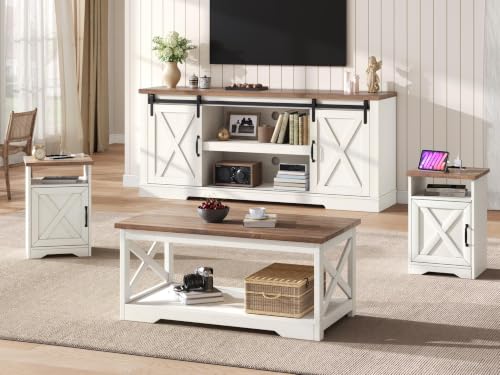
If you’re looking to part ways with unused household pieces, consider local marketplaces and online platforms. Websites like Facebook Marketplace and Craigslist offer user-friendly interfaces to connect with potential buyers in your area. Simply create a listing complete with clear photos and accurate descriptions to attract interest.
For a more curated experience, try apps such as OfferUp or Letgo. These platforms cater specifically to secondhand transactions and facilitate direct communication between sellers and buyers. Remember, pricing your items competitively can influence how quickly they move.

Another avenue to explore is thrift stores and consignment shops. Many accept gently used items and may offer cash or store credit in return. Check with local organizations to see if they have specific needs based on community demand, which can enhance your chances of finding a new home for your possessions.
Lastly, participating in community events like garage or yard sales can also help clear out excess items while allowing you to engage with neighbors. Consider teaming up with friends to increase traffic and attract a wider audience. Getting rid of what you no longer need can lead to extra space and some extra cash in your pocket.
Tips for Disposing of Unwanted Items
One of the most straightforward options is to utilize online marketplaces. Websites like Facebook Marketplace, OfferUp, and Craigslist allow local buyers to view listings and arrange pick-ups directly. I often recommend taking clear, well-lit photos and writing detailed descriptions to attract more potential buyers.
Alternatively, consider local consignment shops. These shops often deal with second-hand items and can take care of the sale for a commission. I appreciate their ability to target customers who appreciate unique pieces.
Organized Community Events
Participating in community garage or yard sales can be a practical choice. These events tend to draw crowds, increasing chances of finding buyers who enjoy the thrill of treasure hunting. Check local Facebook groups or neighborhood apps for upcoming events.
Evaluation of Pricing
Setting a reasonable price is crucial. Researching similar items online gives an idea of market value. I often use the following table to compare prices of similar pieces across various platforms:
| Item Description | Marketplace | Average Price |
|---|---|---|
| Gently Used Sofa | Facebook Marketplace | $150 |
| Vintage Dining Table | Consignment Shop | $300 |
| Wooden Bookshelf | Craigslist | $75 |
Adjusting prices based on condition and demand helps attract buyers while ensuring a fair deal. I find that being flexible with pricing can lead to a quicker sale, especially when buyers see a good opportunity.
Local Online Marketplaces for Furniture Sales
I recommend checking out platforms like Facebook Marketplace for quick transactions within your community. It’s user-friendly, allowing easy browsing and contact with buyers nearby. Listings are free, which can be a financial advantage.
Nextdoor
Nextdoor serves as a localized social network, ideal for reaching neighbors directly. Posting is straightforward, and users often prefer to buy from people they trust in the area. This can result in faster sales.
Craigslist
This site remains a popular choice for selling various items, including household goods. Its classifieds allow for detailed descriptions and images of your pieces, enhancing visibility. I advise being clear about your terms and setting a fair price based on local demand.
How to Prepare Your Furniture for Sale
Clean all surfaces thoroughly. Use appropriate cleaners to remove dust, stains, and residues. Pay attention to corners and crevices where dirt can accumulate.
Inspect for damage, such as scratches, dents, or loose parts. Make minor repairs if needed, like tightening screws or fixing hinges. For wood items, consider applying polish to enhance their appearance.
Taking Quality Photos
- Use natural light to capture images. Aim for a bright, well-lit space.
- Take multiple angles–side, front, and detail shots show texture and quality.
- Avoid clutter in the background; ensure the focus is solely on the item.
Writing a Compelling Description
Be honest and detailed about your piece. Include:
- Dimensions to help buyers gauge fit for their space.
- Material and style information to appeal to specific tastes.
- Unique features or history that might attract interest.
Set a realistic price based on similar listings in your area, taking condition and brand into account. Be willing to negotiate, as flexibility can facilitate a quicker transaction.
Leveraging Social Media Platforms for Selling
Utilizing platforms like Facebook Marketplace and Instagram can significantly boost visibility. Create a dedicated listing on Facebook Marketplace with clear pictures and engaging descriptions. Share your posts in local buy/sell groups to reach a targeted audience.
Instagram Strategies
On Instagram, showcase items with high-quality images. Use relevant hashtags such as #furnitureforsale and #homedecor to attract interested buyers. Engage with followers by sharing stories about each piece, revealing its unique character. Encourage friends to share your posts to amplify reach.
Community Engagement
Engaging in local community groups on platforms such as Nextdoor or your local Facebook groups can connect you with interested neighbors. Post regularly and respond promptly to inquiries to build trust and reliability. Create engaging posts to draw attention and foster interaction.
Consignment Shops: Pros and Cons
Utilizing consignment stores offers a viable option for offloading used items while potentially earning some cash. On the positive side, these shops often attract customers searching for unique pieces, which can increase the chances of a quicker sale. Additionally, they handle pricing and display, eliminating the need for personal marketing. I appreciate that I can drop off my items without the responsibility of managing a sale myself.
However, there are drawbacks to consider. Typically, consignment shops take a percentage of the sale, which can range from 25% to 50%, meaning the earnings might not be as substantial as I hope. Furthermore, not every piece I have may be accepted due to space limitations or style preferences of the shop. It’s essential to research local options to find one that aligns with the kind of items I’m looking to part with.
Also, keep in mind that consignment agreements can sometimes take time to finalize sales, leaving my pieces in limbo for longer than I’d like. Therefore, a clear understanding of the shop’s policies and timelines is necessary before proceeding. Overall, while consignment shops can be a great way to refresh my space, weighing the potential returns and effort involved is crucial.
Donating Furniture vs. Selling: What to Consider
Choosing between giving away items and putting them on the market depends on several factors, including condition, value, and personal time constraints. Evaluate the following points:
Condition and Value
- If an item is heavily worn or damaged, donating might be the best option, as most charities appreciate even the smallest contribution.
- For pieces in excellent shape, consider pricing them competitively to attract buyers.
Time and Effort
- Donating typically requires less time. After deciding to give, I can arrange a pick-up or drop-off, with little follow-up needed.
- To list items for sale demands several tasks: taking photos, writing descriptions, and possibly meeting with interested parties.
Tax deductions can also come into play; items donated to registered charities may qualify. Assess how this incentive might affect overall financial decisions.
Finally, think about personal attachment. Emotional connections might lean me toward donating, ensuring someone else benefits from cherished possessions.
Tips for Pricing Your Old Furniture
Set a competitive rate by researching similar items on various platforms. Search for any comparable pieces within your area, paying attention to their condition, brand, and age. This will give you a clearer benchmark.
Assess Condition and Age
Carefully evaluate the state of your items. Any scratches, stains, or structural issues should affect the price. Generally, the more well-maintained and newer the piece, the higher the potential earnings.
Consider Brand and Design
Recognize the impact of the brand and style on your possible pricing. Established manufacturers or unique designer pieces typically command higher prices. If the item has a distinct design, highlight that in your listing.
Remember to factor in any sentimental value. While items may have deep personal meaning, it’s essential to keep emotional ties separate from potential market price when determining an asking amount.
If you’re looking to expedite the sale, consider adjusting your expectations to a lower bracket. Selling quickly may require accepting a more reasonable price compared to waiting for a higher offer.
Lastly, always be open to negotiation. It’s common for buyers to propose lower offers, so set a slightly higher price to allow room for discussion.
FAQ:
What are the best online platforms to sell my old furniture?
There are several popular online platforms where you can sell your old furniture. Websites like Craigslist allow you to post ads for free and connect with local buyers. Facebook Marketplace is another excellent option, as it taps into your existing social network and allows for easy communication. Apps like OfferUp and Letgo also focus on local sales, making it straightforward to list your items and arrange pickups. Don’t forget about specialized sites like Chairish or 1stDibs, which cater specifically to vintage and high-end furniture, providing a more targeted audience for your pieces.
How do I determine the price for my used furniture?
To set a fair price for your used furniture, consider several factors. Start by researching similar items online to see what similar pieces are selling for. Take into account the condition of your furniture, any wear and tear, and the original retail price. It can also be helpful to think about whether you’re looking for a quick sale or if you can afford to wait for the right buyer, as this can affect your pricing strategy. Additionally, consider the brand and age of the furniture, as well-known brands and well-maintained older pieces can often command higher prices.
Are there any local options to sell my old furniture?
Yes, there are local options that can help you sell your old furniture. You can host a garage sale or yard sale to attract neighbors who may be interested in your items. Local consignment shops also offer the chance to sell your furniture, often taking a commission in exchange for handling the sale. Flea markets and community events can be great venues for selling larger items as well. Finally, don’t underestimate the power of word-of-mouth; letting friends and family know you have furniture for sale could lead to finding a buyer more quickly.
What should I do to prepare my furniture for sale?
Preparing your furniture for sale involves a few key steps. First, clean your items thoroughly to make them more appealing to potential buyers. Repair any minor damages, such as scratches or loose screws, to enhance their value. Taking quality photographs from multiple angles will help showcase your furniture online. Provide clear and detailed descriptions, including dimensions and any distinctive features. Lastly, be honest about the condition to build trust with prospective buyers, as transparency often leads to smoother transactions.
What are the pros and cons of selling my old furniture through a garage sale?
When selling your old furniture through a garage sale, there are several pros and cons to consider. On the positive side, garage sales allow you to reach local buyers directly and offer immediate transactions. You can set your prices and negotiate on the spot, which may lead to quicker sales. Additionally, it’s an opportunity to declutter your home. On the downside, garage sales typically require effort in setting up, advertising, and managing the sale on the day. Moreover, you may not receive the best prices compared to online platforms or consignment stores, which could limit your earnings.
What are the best online platforms to sell my old furniture?
There are several popular online platforms where you can sell your old furniture. Websites like Craigslist allow you to post listings for free and connect with local buyers. Facebook Marketplace is also a great option, enabling you to reach a wide audience within your community. eBay offers a more auction-style approach if you’re looking to sell to a broader audience. Additionally, apps like OfferUp and Letgo provide simple interfaces for selling items quickly. Each platform has its own features, so consider factors like user base, fees, and ease of use when choosing the best option for you.
Should I consider donating my old furniture instead of selling it?
Donating your old furniture can be a generous alternative to selling, particularly if the items are in good condition and you want to give back to the community. Organizations such as Goodwill, Habitat for Humanity, and various local charities often accept furniture donations. This not only helps those in need but can also provide you with potential tax deductions. If you choose to donate, it’s wise to check the organization’s guidelines on accepted items and arrange for pick-up or drop-off accordingly. While selling can bring in extra money, donating does contribute to a positive social impact.