
 Caleb Turner
Items designated for disposal should be set on the curb after 4 PM the evening prior to the designated bulk trash collection day. Ensure that your items are clearly distinguishable from regular trash, as this facilitates timely pickup by sanitation workers.
Different types of materials have specific disposal instructions. For instance, electronic waste, such as computers and televisions, requires drop-off at designated locations, whereas large items like sofas and mattresses can be left curbside during bulk collection periods.
Check the New York City Department of Sanitation’s website for a schedule specific to your neighborhood. This schedule is crucial for managing pickups effectively and avoiding fines. To make the process smoother, consider wrapping items in plastic to prevent any mess or damage to city property.
Lastly, confirm whether any local regulations or neighborhood organizations dictate additional rules or community cleanup days. Following these guidelines helps maintain cleanliness and order in our shared space.
Guidelines for Disposing of Household Items in the City
For optimal disposal of unwanted items, schedule your bulk item pickup for a Monday, Tuesday, or Wednesday. This allows the city to handle the collection before the weekend. Each neighborhood has specific days for bulk item removal, so check with local regulations for your district to confirm.


Preparation Steps
Ensure items are placed curbside by 4 PM the day before scheduled collection. Clearly label each item, if possible, to avoid confusion. Be mindful of street cleaning schedules; placing items too early can lead to fines.
Restrictions and Special Items
Avoid discarding materials such as electronics, hazardous waste, or construction debris without following special protocols. Check city services for guidance on disposing of these categories responsibly.
Engaging with local services not only assists in proper waste management but contributes to community cleanliness. Always stay informed about updated guidelines, as they may change periodically to enhance service efficiency.
Understanding NYC Bulk Collection Schedule
New York City operates a designated bulk collection service that allows residents to discard large items regularly. Each neighborhood has specific days assigned for the removal of oversized objects.
Collection Days
Schedule your unwanted goods based on your area, as collection days vary. Typically, bulk items are picked up weekly on the same day as regular waste removal. Consult the NYC Department of Sanitation’s website for your district’s exact date.
Placement Guidelines
- Items should be placed at the curb no more than 24 hours before the scheduled collection.
- Position items neatly to avoid blocking sidewalks or streets.
- Avoid placing materials in the street to prevent traffic hazards.
Be mindful of prohibited items, such as electronics or hazardous materials. Double-check local regulations to ensure compliance. Proper adherence ensures smooth processing, keeping the environment tidy and safe.
What Items Are Allowed for Curbside Pickup?
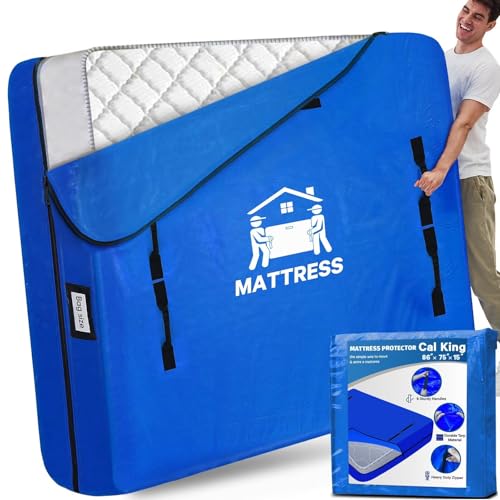
For collection at the curbside in the city, I can place various large items that meet specific guidelines. Appliances such as refrigerators, washers, and dryers are acceptable, provided they are clean and free of hazardous materials. Mattresses and box springs are also permitted; however, I must ensure they are wrapped in plastic to prevent any potential contamination.
Wooden or metal furniture pieces can be disposed of as long as they do not exceed the weight limit set by the sanitation department. Items like dressers, chairs, and tables are allowed, but I should avoid adding any broken or sharp-edged materials, as they may pose risks to sanitation workers.
Yard waste such as tree branches and leaves can be placed in biodegradable bags, but they should not exceed the volume limit. Electronics including televisions and computers are also allowed, although they often require special handling due to environmental regulations.
My selected items should be placed neatly at the curb the night before the scheduled collection day. Arranging them in an organized manner can help facilitate efficient pickup. It’s beneficial to stay informed about any updates or changes regarding the item disposal policies from the local sanitation authority.
How to Dispose of Different Types of Furniture
For safe removal of items, I sorted them into various categories based on material and condition. Each type has a specific approach for responsible disposal. Here are the guidelines I follow:
Wooden Pieces
For solid wood or composite furniture, consider donating if still usable. Organizations like Goodwill or Habitat for Humanity often accept such items. If damaged, check for recycling options at local centers. Often, wood can be reprocessed into new products.
Upholstered Items
Fabric-covered pieces should generally be discarded if they are beyond repair. Many waste services require that these be covered in plastic. Before disposal, evaluate for donation. Local shelters or charities may welcome gently used sofas and chairs.
| Type | Donation Options | Disposal Method |
|---|---|---|
| Wooden Furniture | Goodwill, Habitat for Humanity | Local recycling centers |
| Upholstered Items | Local shelters, charities | Curbside disposal in plastic |
| Metal Furniture | Scrap metal yards | Metal recycling facilities |
Metal items can often be recycled easily. Many scrap yards accept these types and will often pay for the metal, which encourages recycling. If parts are broken, contacting a professional for help may ensure it’s handled correctly.
Glass-topped tables or pieces with heavy glass may be taken to specific drop-off sites for construction debris. In such cases, wrapping glass in cardboard helps protect those handling the waste.
These steps ensure the disposal process respects community guidelines and encourages recycling. Each decision toward responsible handling takes care of both personal space and the environment.
Best Practices for Preparing Furniture for Pickup
Ensure items are clean and dust-free. Wipe down surfaces with a damp cloth to remove dirt and allergens. This not only improves appearance but also promotes a hygienic environment for collection.
Disassemble larger pieces when possible. Remove legs from tables or shelves from units to make transportation easier and minimize potential damage. Keep screws and fittings in a labeled baggie taped to the main piece.
Wrap fragile components with bubble wrap or blankets to avoid breakage during handling. Secure these wraps with tape to prevent them from coming loose.
Place items curbside the night before scheduled collection. This accounts for early pick-up times and reduces the risk of missing the designated day.
Consider weather conditions. If rain is expected, cover items with a waterproof tarp to protect them until they are collected.
Mark larger items as “free” if you believe they can be reused. This can encourage others to take them instead, reducing waste and promoting recycling within the community.
Familiarize yourself with local regulations regarding disposal. Some neighborhoods have specific guidelines on how and when to set out various goods for collection.
Considerations for Renting a Disposal Service
Before hiring a disposal service, I assess the volume and type of items needing removal. This helps in choosing the right provider capable of handling my specific needs. I prioritize companies that specialize in bulk waste, ensuring they are licensed and insured, as this adds a layer of protection against potential liabilities.
Cost Analysis
I always request a detailed estimate upfront, including any hidden fees associated with transportation or labor. Comparing prices between multiple services allows me to find the best value. I consider not only the cost but also the reputation and reviews of each service.
Scheduling and Availability
I check the provider’s availability to coordinate a convenient time for the removal. Many services offer flexible scheduling, including same-day pickups, which can be advantageous if I need quick disposal. Planning ahead can often lead to better pricing and availability.
Alternatives to Curbside Pickup for Furniture Disposal
Utilizing a donation service offers a quick solution for items in good condition. Organizations such as Goodwill and Habitat for Humanity often provide pickup services, making it convenient. Scheduling a pickup can typically be done online or via a phone call.
Consider selling your used items through marketplaces like Facebook Marketplace, Craigslist, or OfferUp. This allows you to reach local buyers directly. A clear description and good quality images enhance your chances of a successful sale.
Recycling Options
For items that cannot be donated or sold, check local recycling facilities. Many accept various materials from old mattresses to wood. This helps minimize waste and supports environmentally-friendly practices.
Junk Removal Services
Hiring a junk removal service provides a hassle-free option, especially for larger or bulky items. These companies handle all the logistics of pickup and disposal. Comparing rates and checking reviews can help you choose a reliable service.
Neighborhood-Specific Regulations and Guidelines
Before setting any items at the curb, it’s crucial to check the specific rules for your local area. Different neighborhoods in the city have unique regulations governing the disposal process. Here’s what to consider:
- Upper East Side: Prepare to adhere to stricter timeframes. Items should only be placed out the night before collection days.
- Brooklyn: Be mindful of alternate side parking rules, which can affect your disposal schedule. Certain blocks may have additional guidelines depending on ongoing construction or street work.
- Queens: Look for community notices regarding special bulk collections or themed clean-up days, which may allow for more flexible disbursement of items.
- Manhattan: Residential buildings may impose their own rules under the management policies. Always verify with your landlord or building supervisor.
- Staten Island: Certain neighborhoods may have volunteer organizations that coordinate furniture donations, offering an alternative to curbside disposal.
Local Restrictions
Many cities enforce regulations on the type and condition of objects left outside. Here are aspects to be aware of:
- Items should not obstruct sidewalks or alleys.
- Several neighborhoods prohibit leaving items on the curb for more than 24 hours prior to collection.
- Check for prohibited items, which may vary significantly from one community to another.
Collective Responsibility
Engaging with community boards or local groups can keep you informed about any changes in disposal guidelines. Reporting non-compliance helps maintain a clean and organized environment. Stay active within local forums or neighborhood apps for assistance on best practices and recycling initiatives.
FAQ:
What are the rules for putting out furniture on the street in NYC?
In New York City, residents are allowed to place furniture, appliances, and other large items on the curb for collection, but there are specific rules to follow. Items should only be put out on the designated collection day for bulk refuse, which varies by neighborhood. It’s advisable to check the NYC Department of Sanitation’s schedule to avoid any fines or complications. Additionally, items must be placed out after 4 PM the night before collection and should not obstruct sidewalks or streets. Items like electronics and hazardous materials have separate disposal guidelines.
Is there a limit to the amount of furniture I can put out for collection?
Yes, there is a limit to the amount of bulk furniture you can place out for collection. Each household is allowed to leave a maximum of four items at a time. This can include a variety of items such as a sofa, mattress, chairs, or other household furniture. If you have more than four items, you may need to wait until the next collection day or consider alternative disposal methods, like donations or recycling programs.
Can I leave furniture out if it’s raining or snowing?
It is not recommended to leave furniture out on the street during rain or snow, as the weather can damage the items and render them unsuitable for collection. Additionally, if the items are damaged by the weather, they may not be picked up by sanitation. It’s better to hold onto the furniture until the weather clears, or to consider scheduling a pickup with a private waste disposal service that can accommodate your timeline.
What happens if I accidentally put out furniture on the wrong day?
If you accidentally place furniture out on a day that is not designated for bulk collection, it may be labeled as litter and subject to fines. The Department of Sanitation may also remove the items and leave a notice. To avoid this situation, checking your neighborhood’s schedule on the NYC Department of Sanitation’s website can provide the necessary information. It’s always a good idea to double-check to ensure you follow the local rules to avoid potential penalties.


