
 Caleb Turner
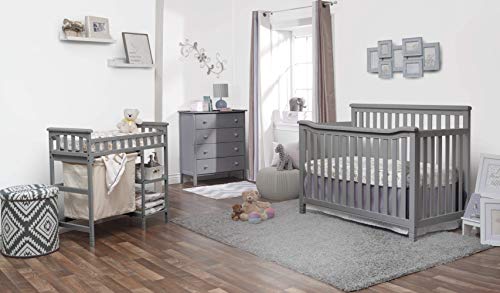
Prioritize products labeled as “low-emission” or “no added formaldehyde.” These options are crucial for ensuring a healthier environment for your child. Look for certifications such as GREENGUARD Gold or CertiPUR-US, which indicate that materials meet stringent chemical emissions standards.
Consider the type of wood or composite materials used in your selection. Solid wood alternatives are generally safer than engineered woods, as they typically contain fewer harmful adhesives and chemicals. If you opt for particleboard or laminate, ensure they are manufactured using non-toxic processes without harmful binders or finishes.
Inspect the construction methods. Avoid items that use strong adhesives or toxic finishes, as these can release harmful vapors over time. Non-toxic finishes, such as water-based or plant-based options, are preferable for promoting a safer atmosphere.


Always research the brand’s commitment to safety and quality. Reputable manufacturers will often provide transparent information about their materials and any testing they conduct. Being informed can lead to better choices for your child’s environment.
Choosing Safe Materials for Your Child’s Space
Prioritize solid wood over engineered alternatives. Natural hardwood, like oak or maple, is free from harmful additives, ensuring a healthier environment for infants. When selecting, investigate the sourcing and production methods to guarantee sustainability and safety.
Beware of Adhesives and Finishes
Opt for products featuring non-toxic adhesives and finishes. Water-based options typically have lower levels of hazardous substances compared to their solvent-based counterparts. Always check labels for GREENGUARD or other certification marks indicating reduced chemical emissions.
Mind the Age Recommendations
Select items tailored for young children and conforming to safety standards. Elements designed for older demographics may contain materials unsuitable for infants, posing potential health risks. Always verify compliance with current safety regulations in your region.
Stay informed about recalls and safety alerts concerning specific brands or models to ensure your child’s space remains safe and secure. Make choices with care, focusing on durability and craftsmanship to create a sanctuary for your little one.
Identifying Furniture with Formaldehyde Emissions
Choose pieces made from natural materials such as solid wood, bamboo, or certified organic options, as these are less likely to emit harmful substances. Look for labels indicating low-emission construction or certification from organizations like GREENGUARD or the Forest Stewardship Council (FSC).
When examining products, pay close attention to terms like “composite wood” or “engineered wood,” as these may contain adhesives and resins that release unwanted chemicals. Opt for items described as free from certain additives, phenolic compounds, or urea-formaldehyde.
Request information from sellers about manufacturing processes and emissions if it’s not displayed. Brands focused on health and safety often share details regarding their materials and production methods.
Check for a strong chemical odor, which may indicate higher levels of emissions. Newly manufactured pieces might have pronounced smells that suggest the off-gassing of volatile compounds. Allow proper ventilation if the product is acquired to reduce exposure as it settles.
Be cautious of imported items, as regulations regarding emissions tend to be less stringent in some countries. Prioritize locally-sourced or domestically-manufactured options with stricter standards.
Inquire about warranty and return policies. Responsible manufacturers and retailers often offer guarantees that reflect their commitment to producing cleaner and safer materials. Knowing you can return a product if it doesn’t meet your standards provides peace of mind.
Understanding the Risks of MDF in Nursery Furniture
Choosing materials wisely in children’s environments is paramount. Opt for solid wood or high-quality, certified alternatives instead of engineered wood products that contain additives.
It’s crucial to evaluate the material composition. Here are specific areas to focus on:
- Search for certifications like CARB Phase 2 or EPA TSCA Title VI that guarantee low emission levels.
- Consider options labeled as “no added urea-formaldehyde” to ensure safety.
- Inspect the product for non-toxic finishes, free from harmful chemicals.
Be aware of the long-term effects of prolonged exposure. Symptoms can manifest as respiratory issues or other health complications for children. Ensure air quality remains optimal.
Look into brands committed to sustainability and ecological production processes. Trusted companies typically provide transparency regarding their manufacturing practices and material sources.
Regular ventilation of the space is beneficial. Ensure adequate airflow to mitigate the impact of any residual emissions. Use air purifiers to enhance indoor air quality.
Finally, when considering pieces such as cribs, changing tables, or storage units, consult reviews and consumer feedback regarding the materials used. Prioritizing safety is non-negotiable in a child’s space.
Recognizing Low-VOC Certifications and Labels
Check for the Greenguard certification, which ensures that products meet rigorous chemical emissions limits, contributing to healthier indoor air quality. Look for the Green Seal, another reputable label indicating compliance with environmental and health standards.
FSC Certification
Seek out pieces marked with the Forest Stewardship Council (FSC) label, as it indicates that wood is sourced sustainably, reducing the ecological footprint and promoting responsible forestry practices.
Other Relevant Labels
Research other certifications such as the ISO 14001 environmental management standard, which signifies that manufacturers adhere to specific environmental practices, ensuring lower emissions. Also, consider the EcoLabel, which supports products produced with reduced environmental impact. Familiarizing myself with these labels empowers me to make informed choices.
Avoiding Cheap Imports: The True Cost of Quality
Investing in high-quality pieces is paramount. Inexpensive imports may seem attractive, but the hidden costs can manifest in various forms, from health risks to durability issues. Opt for items crafted from solid wood or certified materials. These options may come with a higher price tag, but they provide long-term safety and resilience.
Evaluating Labels and Certifications
Research labels that certify products meet safety and environmental standards. Look for GREENGUARD Gold certification, which indicates stringent testing for harmful emissions. Brands that prioritize transparency about their sourcing and production methods often reflect a commitment to quality.
Cost Analysis
Consider the long-term expenses associated with poor-quality items. Frequent replacements result in greater waste and increased financial burden. Quality craftsmanship not only means fewer replacements but also better resale value. The table below illustrates the comparative costs and benefits:
| Type | Initial Cost | Longevity (Years) | Replacement Frequency | Resale Value |
|---|---|---|---|---|
| Cheap Imports | $100 | 3 | Every 3 years | $20 |
| Quality Pieces | $300 | 15 | Every 15 years | $100 |
Choosing well-made products is a strategic investment, providing peace of mind and enhancing the living space. Prioritize quality over cost and protect the well-being of loved ones while creating a safe and comfortable environment.
Choosing Safe Finishes and Adhesives for Nursery Items
Prioritize non-toxic options like those that meet stringent safety standards. Look for finishes made from natural oils, such as linseed or tung oil, which are less likely to emit harmful compounds. Avoid synthetic coatings that may release volatile substances over time.
Natural Adhesives
Opt for adhesives derived from renewable resources, such as soy-based or water-based glue. These alternatives typically have lower emissions compared to conventional synthetic adhesives. I always check for certifications that indicate compliance with low-emission regulations.
Supplier Transparency
Engage with manufacturers that provide clear information about their products. Transparency about materials and processes used in creating finishes and adhesives is key. Asking for safety data sheets can reveal important information about potential risks and ingredients.
Ensuring a safe environment requires diligence in selecting finishes and adhesives. Prioritize products that support a healthy atmosphere and contribute positively to air quality inside the designated space.
Evaluating Manufacturer Transparency on Materials
Seek out companies that readily disclose information regarding the components used in their products. Transparency indicates a commitment to health and safety standards, providing peace of mind about the items in your child’s environment.
Assessing Information Availability
- Look for detailed product descriptions that clearly list materials utilized.
- Check if the manufacturer provides safety data sheets (SDS) for their products.
- Research if they openly discuss compliance with safety regulations and testing methods.
Understanding Certifications
- Verify if the manufacturer holds certifications from recognized bodies, demonstrating adherence to low-emission standards.
- Check for labels that indicate the absence of harmful substances and adherence to safe manufacturing practices.
Engage directly with customer service for clarification on sourcing practices and material safety. Manufacturers committed to quality will have representatives ready to answer questions comprehensively, reflecting their dedication to consumer safety. By prioritizing companies that value openness, I can ensure a healthier environment for my family.
Tips for Creating a Healthy Nursery Environment
Choose solid wood pieces over particleboard; they typically emit fewer harmful substances. Look for certifications like Greenguard or CertiPUR-US, which indicate safer materials. Consider incorporating natural textiles such as organic cotton or linen for bedding and curtains to minimize exposure to chemicals.
Optimize Air Quality
Utilize air purifiers with HEPA filters to reduce airborne toxins. Additionally, introduce plants like spider plants or peace lilies, which can help enhance indoor air quality. Ensure proper ventilation by regularly opening windows to allow fresh air circulation.
Research Your Purchases
Investigate brands for their commitment to sustainable practices and transparency in sourcing materials. It’s beneficial to seek products from manufacturers who openly share information about their supply chain and production methods.


