
 Caleb Turner
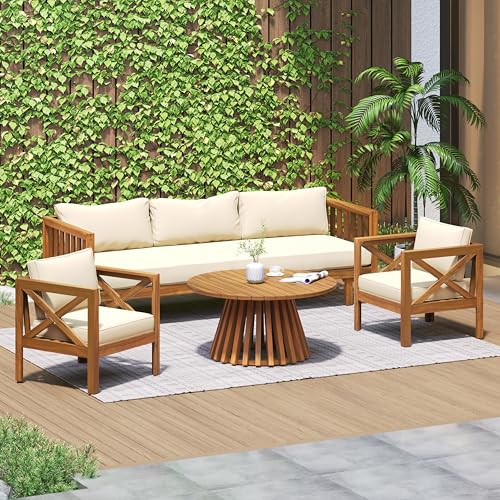
If you’re seeking resilient outdoor seating solutions, I highly recommend opting for aluminum or teak. Aluminum is lightweight yet incredibly sturdy, not prone to rust, and withstands the elements exceptionally well. On the other hand, teak is a hardwood renowned for its natural oils that repel water and resist decay, making it ideal for prolonged exposure to moisture.
Consider materials such as resin wicker as well, which combines a beautiful aesthetic with durability. This synthetic alternative is more resistant to fading and cracking compared to natural wicker. Additionally, fabrics like solution-dyed acrylic can withstand sun exposure and resist mildew, ensuring that cushions remain vibrant season after season.
When investing in outdoor seating, pay attention to construction details. High-quality metal frames, reinforced joints, and weather-resistant finishes can significantly extend the lifespan of your pieces. For cushions, always opt for water-resistant zippers and covers that can handle seasonal changes without deterioration.


Durability Secrets of Outdoor Seating
For exceptional endurance, I recommend opting for aluminum. This material resists rust and corrosion, ensuring longevity even in challenging weather conditions. Further, high-density polyethylene (HDPE) is another fantastic choice due to its resistance to UV rays and moisture, which helps maintain its structural integrity over time.
Teak stands out for its natural oils that repel water and insects. I’ve found that untreated teak develops a beautiful silver patina, testifying to its durability while requiring minimal maintenance. If you’re considering wood, choose certified sources for sustainability and assurance of quality.
Vinyl is becoming increasingly popular, providing a comfortable seating experience and excellent resistance to fading. Its ease of cleaning and maintenance contributes to a lasting appearance, making it a practical option for busy spaces.
Additionally, look into powder-coated finishes for metal options. This treatment prevents chipping and scratching, significantly enhancing resilience. Keep an eye out for woven resin chairs; they are both stylish and crafted to withstand harsh climates without losing their appeal.
Opt for tightly woven fabrics that are UV and water-resistant if you’re leaning toward cushions. They retain color and structural integrity, making outdoor upholstery more manageable and long-lasting.
Make sure to invest in protective covers for your outdoor seating. This small step goes a long way in prolonging the beauty and functionality of your selections, regardless of the materials you choose.
Choosing Durable Materials for Outdoor Seating
Opt for teak or eucalyptus for wooden options; both are renowned for their resistance to moisture and insects. Teak boasts natural oils that defend against deterioration, while eucalyptus is more affordable with similar longevity.
Aluminum is a superb choice in metal. It’s lightweight yet robust, and often treated with finishes that withstand harsh environments. Look for powder-coated aluminum to ensure extra protection against rust.
For synthetic choices, high-density polyethylene (HDPE) offers the look of wood without the maintenance. This material resists fading and cracking over time, making it perfect for enduring outdoor conditions.
Canvas and polyester fabrics are ideal for cushions, but consider marine-grade materials for extreme resilience against rain and sun exposure. These textiles are designed for boats, ensuring they withstand elements.
In summary, selecting strong materials like teak, aluminum, HDPE, and durable fabrics will significantly increase the lifespan of your outdoor seating. Prioritize quality in every choice to maximize durability.
Understanding Weather Resistance in Outdoor Furniture
To ensure longevity, I prioritize selecting pieces that exhibit excellent weather resistance. Materials such as aluminum and high-density polyethylene (HDPE) are particularly impressive in this regard. Aluminum resists rust, making it suitable for diverse climates, while HDPE features UV resistance, ensuring it maintains color despite sun exposure.
Teak wood stands out due to its natural oils, which repel water and prevent decay. When purchasing wooden options, I recommend checking for certifications that guarantee sustainable sourcing and treatment against pests.
Consideration for textiles is also crucial. Fabric-treated options like solution-dyed acrylic provide exceptional durability and resist fading caused by sunlight. I ensure that cushions feature water-resistant covers for added protection against moisture absorption.
Lastly, a manufacturer’s warranty often reflects the expected lifespan of the piece. I look for products with extended warranties, as they typically represent a commitment to quality and durability under various weather conditions.
Maintaining and Caring for Your Outdoor Seating
Regular cleaning is essential. I recommend using a mild soap mixed with water to wipe down surfaces, preventing dirt buildup that can cause discoloration or damage over time. For metal pieces, a non-abrasive sponge works best to avoid scratches.
Protective Measures
Utilizing covers during harsh weather can greatly extend longevity. Investing in high-quality, breathable covers prevents moisture accumulation and protects against UV rays, which can fade colors. It’s wise to store any removable cushions indoors during rain or snow and consider bringing in larger items during extreme weather conditions.
Periodic Inspections
Every few months, checking for wear and tear is prudent. Look for loose joints or rust spots, and proactively address any issues to avoid further damage. Touch up paint on metal elements if necessary, and lubricate moving parts, like folding mechanisms, to maintain their functionality.
Comparing Wicker, Metal, and Wood Options
For durability in outdoor seating, metal variants, particularly aluminum and stainless steel, outperform others. Aluminum is lightweight and resistant to rust, making it a practical choice for variable climates. Stainless steel offers additional strength and a modern aesthetic but may require periodic maintenance to combat corrosion.
Wicker Perspectives
Synthetic wicker, often made from high-density polyethylene (HDPE), is a strong contender against moisture and UV rays. It’s designed to withstand fading and cracking, ensuring longevity in intense sunlight. Natural wicker, while appealing, typically short-lived unless treated properly.
Wood Analysis
Teak and eucalyptus are superb selections for outdoor use. Teak naturally repels water and insects, while eucalyptus is more budget-friendly but still possesses decent durability. Both require occasional oiling to maintain their appearance and resist environmental damage.
- Metal: Lightweight, rust-resistant, minimal maintenance.
- Synthetic Wicker: UV-resistant, durable, fade-proof.
- Teak Wood: Naturally water-resistant, strong, timeless aesthetic.
- Eucalyptus Wood: Affordable, appealing, decent durability.
Choosing materials that can withstand the elements and require minimal upkeep will ensure satisfaction in your outdoor space over time.
Insights into Cushion Quality and Longevity
For maximum durability, opt for cushions made from high-density foam. This type of foam maintains its shape over time, resisting sagging and flattening. Look for cushions wrapped in polyester fiber or covered with a water-resistant lining to enhance comfort and longevity.
Material Selection
Sunbrella and similar performance fabrics significantly outperform ordinary polyester or cotton. Resistant to fading and mold, these materials ensure cushions remain vibrant and fresh for years. Always check the fabric’s UV rating and resistance to stains.
Care Recommendations
Regular maintenance prolongs cushion life. Clean zippered covers frequently, using mild detergent and water. Storing cushions in a dry, shaded area when not in use prevents wear caused by exposure to elements. Investing in cushion storage bags can protect them during harsh weather.
| Material | Durability | Maintenance | Weather Resistance |
|---|---|---|---|
| High-Density Foam | Excellent | Easy to clean | Good |
| Sunbrella Fabric | Very Good | Machine washable | Excellent |
| Polyester | Fair | Spot clean recommended | Moderate |
Evaluating Brand Reputation for Longevity
Research manufacturers with a proven track record. I focus on brands that have consistently delivered durable outdoor seating solutions over the years. Customer reviews and ratings provide insight into their reliability and product lifespan.
Examine the warranty offerings. Brands that stand behind their products typically offer extended warranties, which indicate confidence in their craftsmanship. A warranty of five years or longer often suggests durable build quality.
Avoid brands with frequent complaints regarding durability. Online consumer forums and review platforms are useful for identifying trends in feedback; consistently negative remarks signal potential issues.
Consider the company’s history in the industry. Established brands often have more experience in sourcing quality materials and refining their manufacturing processes. Younger companies may not yet have demonstrated longevity in their products.
Investigate the materials used by the brand. Trusted manufacturers tend to use high-grade aluminum, teak, or synthetic resins that withstand weather elements. Ask questions about their sourcing practices to ensure quality control.
Check for certifications or memberships in recognized associations. Brands aligned with outdoor industry standards often adhere to rigorous quality protocols, enhancing their reliability.
Recognizing Signs of Wear and When to Replace
Inspect regularly for cracks, rust, or fading that signal impending replacement. Metal frames may show signs of rust, especially in humid locales; addressing these spots early can prolong life. Wicker materials can fray or break, reducing structural integrity. Look for loose strands or an uneven surface. Wooden items should be checked for splintering or warping, particularly after seasonal changes.
Pay attention to cushions; flattened or discolored fabric often indicates it’s time for new ones. If supportive layers begin to break down, comfort suffers. Tests like pushing down on cushions can indicate their rebound capability. If they don’t return to shape, replacement is advisable.
Monitor stability as well; any wobbling or creaking sounds suggest structural issues. Immediate action might be required to prevent accidents. Assess overall condition yearly, and consider replacing items that no longer hold aesthetic appeal or pose safety risks.


