Caleb Turner

If you’re seeking distinctive pieces that embody sleek lines and functional beauty, look into the unique style that influenced numerous designs from the 1940s to the 1960s. Characterized by organic shapes, innovative materials, and a focus on simplicity, this aesthetic creates an inviting and stylish atmosphere in any space.
To truly appreciate this movement, it’s essential to recognize its signature aspects, such as tapered legs, minimal ornamentation, and a blend of natural and man-made materials. For instance, popular items often incorporate rich woods, molded plastics, and vibrant textiles, making them both functional and visually appealing.
When curating your collection, prioritize iconic designs like those from renowned creators such as Charles and Ray Eames, Hans Wegner, and George Nelson. Each piece not only serves a purpose but also tells a story, reflecting the innovative spirit of their time. Look for authenticity in well-crafted items, as originals often hold both aesthetic and monetary value over the years.
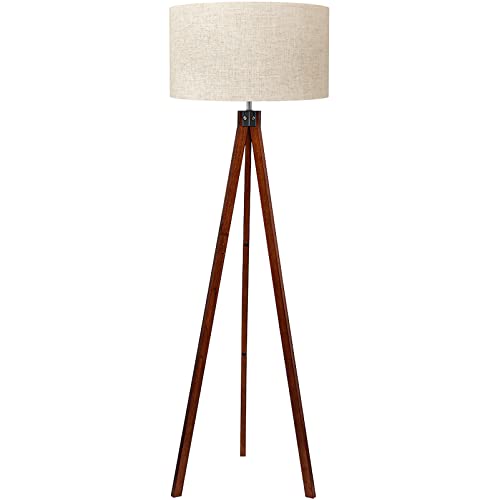


Characteristics of 20th Century Design Pieces
In my exploration of this distinctive genre, I find that sleek lines and organic shapes stand out as defining elements. Iconic designs often feature wood and molded plastics, reflecting a commitment to functionality without sacrificing aesthetics. Pay close attention to the way these items integrate with space, enhancing rather than dominating their surroundings.
Key Materials and Features
Commonly utilized materials include teak, walnut, and fiberglass. These components not only offer durability but also contribute to the lightness of form. You’ll often notice a balance between comfort and minimalist design, creating an inviting yet unpretentious environment.
| Material | Properties | Examples |
|---|---|---|
| Teak | Weather-resistant, rich color | Dining tables, chairs |
| Walnut | Sturdy, deep hues | Case goods, shelving |
| Fiberglass | Lightweight, versatile | Chairs, lamps |
Design Icons
Some creators significantly influenced this movement. Names like Charles and Ray Eames, George Nelson, and Arne Jacobsen are synonymous with exceptional craftsmanship. Their contributions continue to resonate, infusing spaces with timeless appeal.
Defining Characteristics of Mid Century Modern Design
I find the defining traits of this design style to be strikingly distinct. Clean lines dominate the aesthetic, offering an uncluttered look that prioritizes function. Each piece is often characterized by organic shapes and gentle curves, creating a warm and inviting atmosphere. The emphasis on minimalism means that every element has a purpose, avoiding unnecessary ornamentation.
Materials and Colors
The material palette typically includes natural woods such as teak, walnut, or oak, showcasing rich grain patterns. Synthetic materials like fiberglass and plastic also play a significant role, reflecting an innovative spirit. Color schemes lean towards earthy tones complemented by pops of vibrant hues, providing a lively yet balanced environment.
Influence of Nature
This design approach often incorporates elements inspired by nature. Large windows and open spaces blur indoor and outdoor boundaries, promoting a sense of connection with the environment. Natural light takes center stage, enhancing the overall aesthetic and mood of the interior.
Key Influences Behind Mid Century Modern Style
Scandinavian design principles laid the groundwork for streamlined shapes and functional forms. Influential designers like Hans Wegner and Arne Jacobsen showcased simplicity and craftsmanship, championing materials like wood and textiles.
American designers such as Charles and Ray Eames introduced innovative techniques and molded forms, making design accessible and affordable. Their approach revolutionized the relationship between design and the masses, focusing on usability without sacrificing aesthetics.
The Bauhaus movement emphasized a union between art and technology, advocating for objects that served both functional and artistic purposes. This ethos permeated through various design philosophies, promoting the idea that beauty should be inherent in everyday items.
Post-World War II optimism influenced the aesthetic as well, reflecting a desire for new beginnings and comfort in the home. This era saw the incorporation of vibrant colors and organic shapes, mirroring the societal shift towards a more casual lifestyle.
Lastly, advancements in manufacturing technologies during this time enabled the production of molded plastics and metals, leading to new forms and textures that defined the era. This innovation not only allowed for more diverse designs but also contributed to the increased affordability of crafted items.
Popular Materials Used in Mid Century Modern Design
When choosing pieces in this aesthetic, I often focus on a select range of materials that define the style. Here are the most common materials that stand out:
- Wood: Teak, walnut, and oak are frequently utilized. Teak, in particular, with its rich grain and durability, remains a favorite for tables and chairs.
- Metal: Chrome and brushed aluminum are prevalent, providing sleek finishes that juxtapose the warmth of wood.
- Plastic: Molded variants, such as polypropylene, gained traction in this era, allowing builders to experiment with forms and colors.
- Glass: Clear and frosted varieties enhance the airy feel of spaces, often employed in tabletops and decorative elements.
- Textiles: Wool, leather, and synthetic fibers are commonly used for upholstery, focusing on bold patterns and colors that are both functional and striking.
In my experience, blending these materials effectively defines the unique aesthetic that many appreciate, allowing furniture to be both functional and artistic.
Identifying Authentic Mid Century Modern Pieces
Examine the joinery and construction techniques of each item. Authentic pieces often feature clean lines, minimal ornamentation, and craftsmanship that highlights the natural materials used. Look for distinctive joinery methods, such as finger joints or dovetail joints, which signify quality.
Check for manufacturer labels, stamps, or tags. Renowned brands like Knoll, Herman Miller, and Eero Saarinen left identifiers on their creations. Research these markings to verify authenticity and provenance.
Analyze the materials. True designs of this era predominantly utilized wood types like teak, walnut, and rosewood, showcasing unique grain patterns. Metal components should reflect a sleek, industrial finish, often with minimalistic design.
Pay attention to proportions and scale. Authentic creations emphasize functionality and comfort, maintaining a balance between aesthetic appeal and usability. Sit on chairs or couches to assess comfort levels and structural integrity.
Inspect for original fabric or upholstery. Many iconic pieces retain their original covering, which adds historical value. Reupholstered items may still be useful, but verify if the fabrics align with the true style of the piece.
Seek out trusted sources or expert appraisers when in doubt. Knowledgeable individuals can provide insights into specific pieces, ensuring you make an informed decision. Engaging with knowledgeable collectors can also enhance your understanding of authentic items.
How to Incorporate Stylish Vintage Pieces into Your Home
I suggest beginning with a focal point. Identify a standout item, like an iconic lounge chair or a sleek coffee table, to anchor your space. Position this piece in a well-lit area to draw attention.
Next, balance is key. Pair bold, streamlined designs with more neutral, clean-lined pieces. For instance, a vibrant sideboard can complement a minimalist sofa, creating visual interest without overwhelming the room.
Mixing Eras
Don’t shy away from blending different styles. Combining elements from various periods can create a dynamic and personalized look. A classic vintage piece can contrast beautifully with contemporary art or accessories, enhancing the aesthetic appeal.
Accent Colors and Textures
Incorporate accent colors and textures found in these classic designs to unify the space. Use throw pillows or rugs with geometric patterns that reflect the era’s aesthetic. Natural materials, such as wood and leather, can add warmth and richness, creating an inviting atmosphere.
Maintenance Tips for Mid Century Modern Furniture
Regularly dust surfaces using a soft, dry cloth to avoid scratches. Avoid using abrasive cleaners, as they can damage the finish. Instead, a mixture of mild soap and water works well for deeper cleanings. Make sure to dry off with a clean cloth immediately after.
Apply furniture polish every few months to enhance the sheen and protect the finish. Look for products specifically designed for wood to maintain its natural beauty.
For upholstered pieces, vacuum using a brush attachment to remove dirt and debris. Treat stains promptly with water or a gentle fabric cleaner suitable for the material.
Keep items away from direct sunlight to prevent fading and warping. Positioning indoor plants or other objects can help create a protective barrier.
Check for loose joints or screws periodically; tightening them early on can prevent misalignment or damage over time. Consider using wood glue for minor repairs.
If a piece suffers from heavy wear, refinishing can breathe new life into it. Sand lightly and apply a fresh coat of stain or sealant, following product instructions for best results.
Avoid placing hot items directly onto surfaces. Always use coasters or mats to protect from heat and moisture.
Store in a climate-controlled environment to prevent extremes that can lead to warping or cracking. Maintaining a consistent temperature and humidity level can extend the life of these timeless creations.
Top Designers and Brands of the Mid Century Modern Era
Ten years of refined aesthetics can be traced back to designers like Charles and Ray Eames, whose innovative shapes and functionalities revolutionized seating and table designs. Their iconic Eames Lounge Chair remains a staple piece, demonstrating the perfect fusion of comfort and style.
Another notable figure, George Nelson, introduced the spirit of playfulness with his Marshmallow Sofa. Nelson’s approach to design emphasized the importance of form and fun, showcasing a variety of colors and geometric shapes.
Arne Jacobsen’s contributions cannot be overlooked; his Egg Chair and Swan Chair created a lasting impact on the field. Jacobsen’s ability to blend organic curves with modern materials exemplifies the era’s shift towards a more sculptural design language.
Finn Juhl, often regarded as the father of Danish design, emphasized organic forms and handcrafted quality. His unique approach to woodwork and upholstery in pieces like the Chieftain Chair is a hallmark of the movement’s artistic value.
On the brand side, Knoll and Herman Miller significantly influenced the commercial furniture industry, promoting innovative design concepts. Knoll’s association with designers such as Florence Knoll and Eero Saarinen introduced iconic pieces like the Tulip Table and the classic Barcelona Chair.
For those seeking authenticity, look for original labels or certification from recognized brands. Understanding the characteristics of individual designers helps in identifying genuine pieces and appreciating their craftsmanship.
Incorporating these iconic items into won space can be both rewarding and fulfilling. Focus on creating a balance between statement pieces and a cohesive aesthetic, ensuring that the timeless designs shine without overwhelming the surroundings.
Current Trends in Mid Century Modern Furniture
Incorporating vintage pieces with a contemporary twist is gaining traction. I focus on selecting accessories that blend seamlessly with iconic designs from the past to create a harmonious environment.
Sustainable Materials
Using reclaimed wood and eco-friendly materials is increasingly popular. Choosing items made from sustainable sources not only reflects style but also a commitment to environmental responsibility.
Bold Colors and Patterns
While neutral tones continue to be a staple, I observe a resurgence of bold colors, especially jewel tones. Bright upholstery and geometric patterns add a playful touch, revitalizing classic silhouettes.
Multi-functional designs are also a clear preference. I appreciate pieces that serve dual purposes, such as coffee tables with storage or benches that can double as seating. This practicality aligns perfectly with the sleek aesthetics of the era.
Finally, integrating plant life enhances spaces while complementing minimalist designs. I often include indoor plants or planters that echo the clean lines of the era’s furnishings, bridging nature with style.
Where to Buy Mid Century Modern Pieces Today
For authentic vintage or inspired designs, I recommend exploring both online and physical stores. Here are some of my favorites:
- Local Antique Shops: Visit nearby antique stores for unique finds, often at competitive prices.
- Estate Sales: Check local listings for estate sales where you can uncover genuine, well-maintained items.
- Online Marketplaces: Websites like eBay and Craigslist feature both vintage and reproduction options. Use filters to narrow down searches to specific decades.
- Specialty Retailers: Brands like West Elm and CB2 offer contemporary interpretations that pay homage to classic styles.
- Design Blogs and Social Media: Follow accounts dedicated to vintage design. They often share great leads on where to shop.
Online Options
For convenience, several online platforms focus on this aesthetic:
- 1stdibs: A marketplace exclusively for higher-end items, often featuring certified pieces.
- Wayfair: Offers a variety of options, including both modern reproductions and vintage pieces.
- Etsy: Excellent for handmade and vintage finds, where independent sellers showcase their collections.
Marketplaces and Auction Sites
Bid on rare pieces through:
- Paddle8: An auction platform specializing in art and design, featuring curated lots.
- Heritage Auctions: Known for selling high-value vintage objects.
Exploring these venues can yield remarkable treasures that enhance any space, allowing for a blend of history and style in your home.
FAQ:
What are the main characteristics of mid-century modern furniture?
Mid-century modern furniture is characterized by clean lines, organic shapes, and a minimalist aesthetic. It often features materials like wood, metal, glass, and plastic. The designs prioritize functionality and comfort, with an emphasis on open spaces and seamless integration with nature. Iconic pieces usually showcase a mix of traditional craftsmanship and new manufacturing techniques that were popular during the mid-20th century.
How did historical events influence mid-century modern furniture design?
The mid-20th century was marked by significant events such as World War II and the post-war economic boom, which influenced furniture design. After the war, there was a push for affordable and stylish furniture that could accommodate the growing middle class. Designers like Charles and Ray Eames, George Nelson, and Arne Jacobsen created pieces that reflected the optimism of that era, emphasizing simplicity and functionality, making good design accessible to a wider audience.
Can you name some iconic pieces of mid-century modern furniture?
Some iconic pieces of mid-century modern furniture include the Eames Lounge Chair, the Barcelona Chair by Mies van der Rohe, and the Tulip Table by Eero Saarinen. Each of these pieces embodies the core principles of the style: innovative use of materials, ergonomic design, and sculptural form. These designs have maintained their popularity and are still produced today, demonstrating their lasting appeal.
What role does color play in mid-century modern furniture?
Color plays a significant role in mid-century modern furniture, often featuring bold and vibrant hues. Designers utilized colors like teal, mustard yellow, and olive green to create visually striking pieces that could brighten up a space. Additionally, the use of natural wood tones frequently complements these vivid colors, adding warmth while maintaining a balanced aesthetic. The color palette is one of the defining features that differentiate mid-century modern furniture from earlier styles.
How can I incorporate mid-century modern furniture into my home decor?
Incorporating mid-century modern furniture into your home can be achieved by focusing on key pieces that resonate with the style’s aesthetics. Start with a statement piece, like a sleek sofa or an iconic coffee table, and build around it with complementary items. Mixing textures and colors is important; pair wood furniture with metal accents and utilize vibrant pieces along with neutral backdrops. Additionally, consider adding vintage items or replicas to create a cohesive look that reflects the charm of mid-century design.
What characteristics define mid-century modern furniture?
Mid-century modern furniture is known for its clean lines, functional forms, and minimal ornamentation. This style emerged between the 1940s and the 1960s, prioritizing simplicity and practicality. Typical materials include molded plywood, fiberglass, and metal, which contribute to its lightweight appearance. Iconic pieces often feature organic shapes and a harmonious blend of aesthetics and functionality, reflecting the optimistic spirit of the post-war era.
How can I incorporate mid-century modern furniture into my home decor?
Incorporating mid-century modern furniture into your home can be a rewarding process. Start by selecting one or two key pieces, such as a sleek coffee table or a stylish sofa with tapered legs, as focal points. Complement these items with accessories in muted or earth-toned colors, which are characteristic of the era. Balance the space with a mix of textures, such as a plush rug or wooden accents. To create an authentic atmosphere, consider including artwork or decor that reflects the mid-century aesthetic, such as geometric patterns or abstract designs. This approach will create a cohesive look that honors the style while making it feel fresh and inviting.