
 Caleb Turner
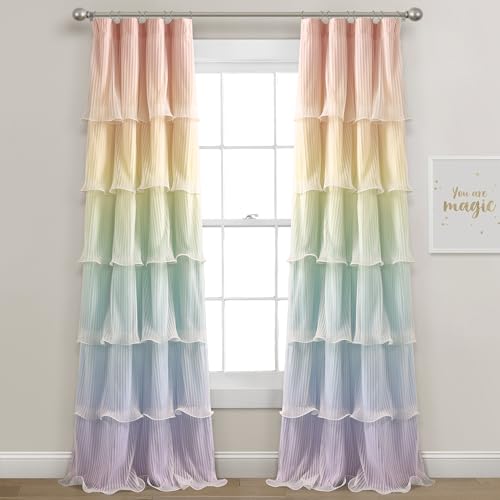
Opt for soft pastels like blush pink or light lavender to create a serene contrast against the darker tones. These subtle shades bring a refreshing brightness and enhance the overall ambiance. If you prefer a more dramatic flair, deep navy or rich emerald can elevate the aesthetic while maintaining harmony.
Consider textures as well. Linen or sheer fabrics in neutral whites or creams can add an airy feel, allowing natural light to filter through without overwhelming the space. For a cozy touch, heavier fabrics like velvet in warm taupe or caramel can create a rich visual depth.
Patterns also play a vital role. Opt for geometric prints or floral designs that incorporate similar shades found in your upholstery. This approach unifies the decor while introducing an element of playfulness. Striped or abstract designs can add a modern twist, enhancing the chic vibe of your living quarters.
Choosing Drapery for a Neutral Palette
I recommend opting for drapery in soft earth tones, such as beige or taupe, to create a balanced and inviting atmosphere. These shades complement the understated elegance of a neutral palette, adding warmth without overwhelming the space.


Cool Tones for a Calming Effect
- Soft pastels, such as light blue or mint green, can enhance a serene ambiance.
- Light lavender offers a subtle touch of color while maintaining tranquility.
- Pale aqua introduces a refreshing vibe for airy, relaxed settings.
Bold Alternatives for Contrast
- Rich navy or deep emerald creates striking contrast, injecting personality.
- Mustard yellow serves as a cheerful accent against muted hues.
- Rust or terracotta can add warmth and depth to the visual palette.
Choosing the right fabric also plays a crucial role. Consider textures like linen or cotton, which bring an organic feel, while heavier fabrics like velvet can add luxury and sophistication. The interplay of textures and shades will enhance the overall aesthetic.
Understanding Gray Tones in Furniture
I recommend clearly identifying the specific shade of your upholstery or decor. Whether it’s warm or cool, light or dark ultimately influences your choices. Warm tones of gray, which possess undertones of brown or beige, coordinate seamlessly with earthy shades like terracotta, warm whites, or soft yellows. These hues provide a cozy contrast.
Conversely, cooler variants, characterized by blue or green undertones, pair exceptionally well with crisp whites, soft blues, or even deeper jewel tones like emerald and navy. These combinations create a fresh ambiance, enhancing the space’s overall aesthetic.
Pay attention to texture when selecting complementary accents. Soft fabrics against sleek furniture can provide a more inviting look. If the existing pieces are smooth, consider rich textures such as linen or wool in chosen shades to add depth.
Experimenting with patterns can also elevate your design. Stripes or geometric motifs in subtle hues can enhance visual interest without overwhelming the space. Balance is key; if your main elements are neutral, feel free to introduce a bold print.
Consider room lighting as well. Natural light can significantly affect how colors appear, so test samples during different times of day to ensure harmony in your palette.
Choosing Warm Hues for Contrast
For a striking effect, I recommend incorporating warm tones such as burnt orange, golden yellow, or deep red. These shades create a vibrant contrast against the cooler shades of your furnishings, enhancing the overall ambiance of the space.
Burnt Orange
Burnt orange adds a cozy charm and works beautifully with silver or charcoal elements. This hue draws the eye and balances the starkness often associated with cooler tones.
Golden Yellow
Golden yellow infuses energy into the environment. It complements the subtleties of lighter grays by adding a sense of warmth, making the space feel inviting and cheerful.
Deep red can also be an excellent choice, bringing an element of drama while still offering warmth. I find that these rich tones not only highlight the elegance of the pieces but also promote a welcoming atmosphere.
Incorporating any of these warm shades will create a pleasing balance and enhance the overall aesthetic of your interior.
Exploring Cool Color Options
For a sleek finish, I recommend opting for shades like teal, navy, or deep emerald. These tones complement the subtle hues of a sophisticated setup, enhancing the depth without overpowering the space.
Teal Choices
Teal provides a refreshing contrast, creating a balanced look. Pairing this tint can bring a contemporary feel, especially when accented with metallic details. Look for patterns that include geometric designs to maintain a modern aesthetic.
Navy Accents
Navy offers a strong visual anchor while remaining serene. This dark hue can ground a room, making it feel more cohesive. It looks stunning when mixed with white or gold elements, creating a timeless appearance that breathes elegance.
Neutral Curtain Colors That Complement Gray
Opt for soft shades such as beige, taupe, or cream to beautifully enhance gray tones. These neutral options create a subtle harmony and allow the furnishings to stand out.
Light whites can also work wonderfully, particularly those with a hint of warmth or texture. This choice keeps the space feeling open while accentuating the sophistication of gray.
For a more muted look, consider shades like stone or dove gray. These variations maintain the monochromatic palette, adding depth without overwhelming the aesthetic.
- Beige: Warms the space while remaining understated.
- Taupe: A versatile choice that bridges warmer and cooler hues.
- Cream: Adds brightness and an inviting touch.
- Stone: Offers an elegant, subdued complement.
- Dove gray: Enhances texture and sophistication.
Utilizing these neutral shades creates a sophisticated backdrop, allowing for easy incorporation of decorative elements and accents throughout the space.
Patterns and Textures That Enhance Gray Furniture
Incorporate intricate designs such as geometric motifs or floral prints to create visual interest alongside muted tones. Opt for fabric such as linen or cotton to contrast the sleek appearance of soft surfaces.
Layering Textures
Introduce a mix of materials like velvet, silk, or jute, which can add dimensionality. Soft textures can soften the starkness of sleek seats while maintaining elegance.
Bold Patterns for Statement Appeal
Choose statement pieces featuring bold patterns strategically placed to become focal points. Large, abstract designs can balance subtle surroundings and create a dynamic aesthetic without overpowering the existing palette.
Considering Curtain Length and Style
I recommend opting for floor-length drapes that extend from the top of the window down to the floor, creating a seamless and elegant look. This choice enhances the visual height of a room, making it feel more spacious and sophisticated.
Another option is to select curtains that just brush the sill. This can work well in spaces with lower ceilings or in more casual settings, offering a breezy and relaxed vibe.
For a polished appearance, consider curtains with a slight puddle at the floor. This style adds a touch of luxury, but requires careful measurement to ensure the right amount of fabric without overwhelming the space.
In terms of material, lightweight options like linen or sheer fabrics promote airiness, while heavier materials like velvet or lined drapes provide insulation and depth. Mixing textures can add interest and dimension, complementing the existing elements in the room.
Selecting the right style is just as crucial. Grommet-top, pleated, or tab-top designs each convey a different mood. Grommet styles offer a modern touch, while pleated varieties bring a classic feel.
Lastly, make sure to consider functionality. If light control is a priority, layered options or blackout varieties might be necessary. This can balance aesthetics with practicality, ensuring your space not only looks great but also serves its purpose effectively.
Using Accessories to Tie Colors Together
Incorporating accessories is a smart strategy to create a cohesive look within your space. I recommend selecting throw pillows and blankets that feature hues reflecting your drapes. These elements can significantly enhance the overall ambiance.
Color Coordination with Decorative Elements
Utilizing decorative vases or art pieces that echo the tones found in your window treatments can unify the aesthetic. For instance, if you choose warm tones for your drapes, consider incorporating similar shades in other decorative accessories like candles or wall art. This will create harmony throughout the room.
Materials Matter
Select materials for your accessories that complement the textures of your upholstery. Velvet pillows paired with linen throws can add depth while maintaining a sophisticated feel. Balancing different materials aids in adding visual interest, ensuring no single aspect overwhelms the space.
Ultimately, accessories serve as the finishing touch that can transform your design. Pay attention to the details, and let your decorative choices enhance the cohesion between all elements in the room.
Common Mistakes to Avoid
Avoid pairing distinct shades of upholstery and drapery that clash or create an unbalanced atmosphere. For instance, selecting curtains that are significantly darker or lighter than the furniture can disrupt harmony. Aim for tones that are within the same palette or provide a stylish contrast.
Neglecting the Importance of Texture
Using flat fabrics against smooth surfaces can lead to a dull aesthetic. Opt for varieties that introduce depth–think linen or velvet against sleek modern pieces. This strategy enhances visual interest and adds character to the space.
Inconsistent Styling Choices
Ensure that all elements adhere to a cohesive theme. Mixing traditional patterns with contemporary designs can make the décor feel disjointed. Stick to a well-defined style for accessories and accents to create a unified look, allowing the interplay between materials to shine without confusion.


