
 Caleb Turner
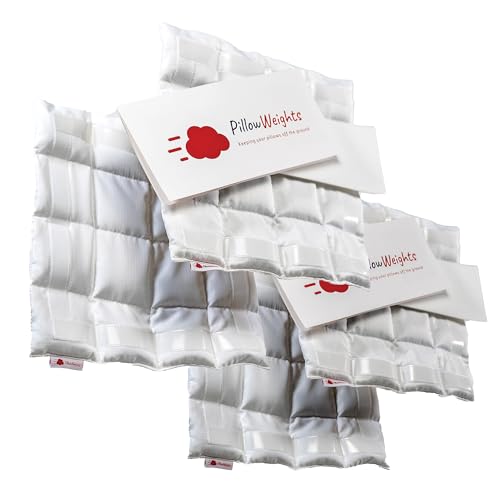
To prevent your outdoor seating from shifting during breezy days, using weights is essential. Consider placing heavy objects such as large bricks or concrete blocks under the legs of tables and chairs. This strategy effectively stabilizes your setup and keeps it in place.
If you prefer a more aesthetic approach, decorative weights can serve a dual purpose. Look for attractive items like sculpted stones or filled planters that complement your décor while providing the necessary heft. Ensure that these items are firmly placed to maximize their effectiveness.
Additionally, securing your outdoor pieces to the ground can offer an extra layer of protection. Ground stakes designed for outdoor use can anchor your furniture, making it resistant to strong winds. This method is particularly beneficial for lighter items that tend to move easily.
Lastly, consider using furniture covers during windy seasons. They not only protect against the elements but can also provide more friction against the surface beneath, making it less likely for items to slide around. A combination of these strategies will ensure your outdoor arrangements stay put and maintain their inviting appearance.
How to Secure Outdoor Seating
Use sandbags or weights at the base of your chairs and tables to stabilize them during windy conditions. I recommend opting for 10 to 20-pound options for each piece to maintain balance without compromising aesthetics.


Consider incorporating decorative heavy planters filled with stones or soil as anchors. This not only serves to secure your seating but also enhances the visual appeal of your space. Choose large, stable pots that complement your outdoor theme.
Attach your seating to the ground with ground anchors designed for outdoor use. These devices can be discreetly hidden while providing strong support against gusts of wind. Ensure that the anchors are made from durable materials resistant to rust and wear.
Weighted covers can be used to provide additional steadiness. Choose ones that fit snugly, and that are designed specifically to withstand outdoor elements. This allows you to protect your pieces while keeping them firmly in place.
Creative options such as filled decorative cushions can also be employed. Using weighted cushions not only provides comfort but adds necessary heft to your seating arrangements, preventing them from being easily moved by strong winds.
Choosing the Right Weights for Your Furniture
Selecting appropriate weights for securing outdoor pieces is crucial for their stability. I recommend using options like sandbags, concrete blocks, or specially designed weights that fit your specific needs. Each type has its merits, so consider the following factors before making your choice.
Materials and Durability
Choose materials that can withstand weather elements. Concrete blocks are robust, while sandbags offer flexibility. However, consider covering sandbags with waterproof fabric to increase their lifespan. Ensure that weights do not degrade quickly, as this could lead to ineffective stabilization.
Weight Distribution
Even distribution of weight is critical. For instance, use at least four weights per table to ensure stability. The total weight should account for the size and type of items you typically place on your outdoor surfaces. As a rule of thumb, heavier umbrellas require more substantial weights, typically around 50 pounds or more.
| Weight Type | Pros | Cons |
|---|---|---|
| Concrete Blocks | High durability, weather-resistant | Heavy and hard to move |
| Sandbags | Flexible, easy to apply | May require waterproofing |
| Specialized Weights | Designed for outdoor use, aesthetically pleasing | Higher cost |
Carefully considering your options will ensure that your outdoor seating and tables remain secure no matter the weather conditions. Aim for weights that suit your style and offer the best protection against wind and movement.
Using Furniture Weights: Types and Options
The most straightforward method to stabilize outdoor seating is through furniture weights. I recommend exploring various types, including sandbags, weighted ties, and specially designed paver bricks. Each of these options offers distinct advantages depending on your needs.
Sandbags
Sandbags are versatile and can be easily placed on the legs of your seating. They range from lightweight variants for easy handling to heavy-duty models made from durable materials. A common choice is filling a standard 10-20 pound bag with sand, which can provide sufficient ballast during windy conditions.
Weighted Ties and Bands
Consider using weighted ties, which can grip furniture tightly, ensuring it remains firmly positioned. These are typically made from heavy-duty fabrics and provide a sleek appearance. Some products feature adjustable lengths, allowing for customization based on the size of your outdoor pieces.
Paver bricks also serve as a solid option. You can strategically place these around the base of larger tables and chairs. Opt for bricks that blend with your outdoor aesthetics; they are heavy enough to resist movement while adding an appealing visual element.
In summary, I suggest combining various options where appropriate. Using a mix of sandbags and weighted ties can provide both flexibility and aesthetic appeal while ensuring that your outdoor seating remains secure in any weather.
DIY Solutions for Securing Outdoor Seating
Utilizing simple household items can be an effective way to ensure stability for your outdoor seating. Here’s a selection of practical solutions:
Weighted Options
- Sandbags: Fill heavy-duty bags with sand or gravel. Place them securely under each chair or table leg to prevent movement.
- Bricks or Stones: Use old bricks or stones, placing them at the base of each seating piece for added stability.
- Water Jugs: Fill large plastic containers with water. These can easily be moved and are efficient for providing considerable weight.
Creative Solutions
- DIY Concrete Weights: Create custom weights using concrete. Pour concrete into molds, letting it set before removing the blocks. These can be attractive while also providing needed heft.
- Planter Pots: Utilize large, heavy planter pots filled with soil or stones. Position them strategically around your setup.
- Anchor Bases: Build an anchor base by attaching weights directly to the furniture legs, using metal brackets and screws for security.
Implementing these methods ensures your outdoor arrangements remain stable and secure, allowing for the enjoyment of your space without concern for shifting or tipping. Each option offers flexibility for varying designs and personal preferences.
Placement Strategies to Minimize Movement
To keep your outdoor seating stable, consider positioning pieces in a way that enhances their stability. Arranging larger items, such as sofas and tables, in a cluster can create a fortification against winds.
Here are a few effective strategies:
- Corner Tactics: Place seating against walls or fences. This minimizes exposure to open gusts.
- Group Dynamics: Create clusters of multiple seats as opposed to isolated pieces. This camaraderie adds weight from interconnection.
- Balanced Distribution: Distribute heavier items evenly. Ensure that the weight is not concentrated on one side, which may lead to tipping.
- Wind Patterns: Observe how wind flows across your space. Position lighter items where barriers provide a natural shield.
- Furniture Orientation: Angle chairs and tables in alignment with expected wind directions. This can reduce the area that wind acts upon.
Implementing these strategies ensures your outdoor arrangements remain secure, providing a more enjoyable outdoor atmosphere. Regularly assess your layout and adjust as necessary for the best results.
Maintaining Stability in Windy Conditions
To enhance resilience against gusty breezes, I recommend using weighted bags filled with sand or gravel placed at various corners of the outdoor seating. A minimum of 20 pounds per corner is ideal for maintaining balance without compromising aesthetics.
Secure Anchoring Techniques
I frequently utilize heavy-duty straps or bungee cords to attach items to fixed structures like walls or railings. This method greatly reduces lateral movement while still allowing for easy repositioning when necessary.
Effective Surface Choices
Choosing the right ground surface can make a significant difference. I find that placing tables and chairs on a firm, flat surface such as concrete or decking minimizes the chances of uplift. Avoiding loose gravel or grass helps keep the setups stable during breezy conditions.
Assessing Furniture Durability After Weighting
Regularly check for any signs of strain or damage following the placement of additional loads. Visual inspections are crucial; look for cracks, warping, or rust–these can indicate weaknesses that may compromise stability. For metal structures, pay attention to joints and seals, as they are often the first to wear out under increased pressure.
Conduct periodic tests by gently nudging or shifting the pieces to see if they remain steady. If any movement occurs, reconsider the securing methods used. Evaluate the integrity of the materials; some may not withstand prolonged exposure to higher weights or pressure changes. Document any changes in their condition over time to better understand how different environments affect durability.
Consider using protective coatings for wooden items to prevent deterioration. If using concrete or metal weights, be aware that they can corrode or chip, potentially leading to an increased risk of compromising the furniture’s stability. Always prioritize the balance between aesthetics and functionality, ensuring that added elements are visually appealing yet supportive.


