
 Caleb Turner

I recommend placing your new acquisitions in a well-ventilated area. Open windows and doors to ensure a steady flow of fresh air, which significantly aids in dissipating any lingering odors. This simple step can create an environment that encourages quicker evaporation of unwanted compounds.
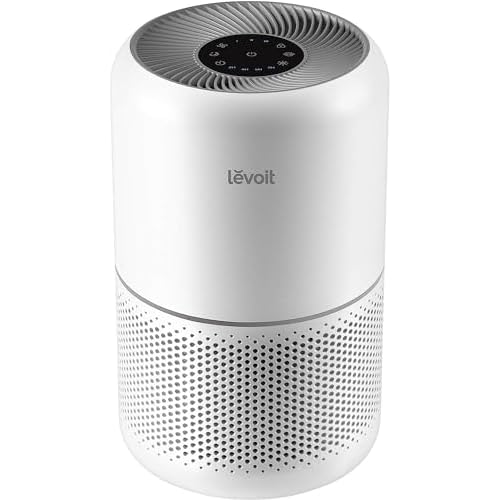
Additionally, utilizing an air purifier with a HEPA filter can assist in removing any airborne particles, contributing to a fresher space. Products containing activated charcoal are another option to absorb odors and enhance the air quality around your chosen items.


Another effective measure is to expose these pieces to sunlight. Ultraviolet rays can help break down harmful substances, while warmth stimulates the release of trapped contaminants. Just ensure that direct sunlight won’t damage the finish of your items.
Regularly cleaning surfaces with a damp cloth can also minimize the buildup of dust and other irritants. Consider using a mixture of vinegar and water as a natural cleaner to help neutralize odors without introducing additional chemicals.
Accelerating Emission Reduction
Ventilate the area where the pieces are placed. Opening windows and using fans will circulate air, facilitating the removal of volatile compounds.
Utilize activated charcoal or baking soda near the items. Both substances are known for their absorption properties and can help neutralize lingering odors.
Increase ambient temperature slightly. Warmer air can enhance the release of pollutants; however, ensure the temperature remains comfortable to avoid damage to the materials.
Consider placing the items outdoors on a sunny day. Sunlight and fresh air work significantly to diminish unwanted smells, but monitor the pieces to prevent excessive exposure to elements.
Clean surfaces with a damp cloth regularly. This action helps remove particles and impurities that contribute to off-putting scents.
Choose specific indoor plants known for their air-purifying abilities. Plants such as peace lilies or spider plants will naturally filter out undesirable substances.
Last resort, consult with the store or manufacturer for recommendations specific to the product. Some brands have proprietary solutions based on their unique materials.
Understanding Off-Gassing and Its Causes
To mitigate harmful emissions from new pieces, it’s vital to recognize what causes these releases. Most commonly, volatile organic compounds (VOCs) found in adhesives, paints, and finishes lead to the buildup of unwanted odors and harmful chemicals in indoor spaces. Familiarity with materials offers insight into their behavior post-manufacturing.
Common Sources of Emissions
| Material Type | Common Sources | Typical Chemicals |
|---|---|---|
| Wood Products | Plywood, particleboard | Formaldehyde, benzene |
| Paints and Finishes | Stains, sealants | Toluene, xylene |
| Textiles | Cushions, upholstery | Styrene, flame retardants |
Environmental Factors
Temperature and humidity levels impact the rate of emissions. Warmer temperatures typically accelerate the release, while increased moisture can modify chemical structures, making them more volatile. Ventilation also plays a significant role in reducing concentrations of these compounds in indoor air. Using fans or open windows enhances air exchange, effectively dispersing unwanted substances.
Choosing Low-VOC Furniture for Your Home
I prioritize selecting pieces made from natural materials, such as solid wood, bamboo, or cork, which often have lower volatile organic compound (VOC) emissions compared to composites or synthetic alternatives. When shopping, I always check for certifications like Greenguard Gold or the Forest Stewardship Council (FSC) label, which indicate a commitment to safer and sustainable practices.
Opting for furniture finished with water-based or natural finishes further minimizes harmful emissions. I find that brands focusing on eco-friendly production methods typically provide a clearer insight into their materials and manufacturing processes.
Another strategy I use is researching specific manufacturers known for their low-VOC offerings. Many companies now specialize in healthier home environments and provide detailed product information on how their items are made and the chemicals used.
Paying attention to the upholstery is also important. Selecting natural fabrics, like organic cotton or linen, can help reduce the chemical load in my living space. I tend to avoid leather and synthetic upholstery, as they are often treated with harmful chemicals.
In addition to checking certifications and material sources, I make a point to inquire about the VOC levels in the product information or packaging. Some manufacturers provide details on the emissions of their products, making it easier to assess their safety for my home.
Optimal Ventilation Techniques for Fast Off-Gassing
Open windows wide for cross-ventilation. This promotes air circulation, expediting the release of volatile compounds. If possible, create a flow by positioning fans to draw fresh air in and push stagnant air out.
Utilizing Air Purifiers
Deploy HEPA air purifiers equipped with activated carbon filters. These devices capture harmful particles and absorb odors, improving air quality as they operate. Ensure the purifier’s capacity matches the room size for maximum efficacy.
Temperature and Humidity Control
Maintain a warm and dry environment. Elevated temperatures enhance the volatility of chemicals, while low humidity prevents the absorption of moisture that can trap these substances. A dehumidifier can help mitigate excess moisture, maximizing evaporation rates.
Positioning the new items outside on a sunny day can also aid in the breakdown of compounds. Sunlight accelerates the process, contributing to faster smell dissipation. Monitor the items to prevent any weather-related damage.
For continuous air exchange, consider using exhaust fans in kitchens and bathrooms. These fans help remove stale air and minimize the concentration of harmful substances indoors.
Using Air Purifiers to Reduce Unpleasant Odors
I recommend investing in high-efficiency particulate air (HEPA) purifiers equipped with activated carbon filters. These devices effectively trap airborne particles, including volatile organic compounds (VOCs) that contribute to unpleasant smells.
Choosing the Right Purifier
Select a model with a suitable room size rating. For optimal performance, ensure the purifier’s Clean Air Delivery Rate (CADR) aligns with your space. A higher CADR means faster odor removal and cleaner air.
Placement and Maintenance
<p.Position the air purifier in the center of the room, away from walls or furniture, to maximize airflow. Regularly replace the filters according to the manufacturer’s recommendations to maintain the purifier's effectiveness. Cleaning the unit itself can also aid in preventing the accumulation of odors.
Warmth and Humidity: Their Role in Off-Gassing
Increasing temperature and humidity levels can significantly influence the release of volatile organic compounds (VOCs) from new products. To enhance this process, consider maintaining a warm environment, ideally between 70-80°F (21-27°C), along with a relative humidity of 40-60%.
Recommendations for Creating Optimal Conditions
- Use a space heater to raise the temperature if necessary, ensuring the area is well-ventilated.
- Invest in a humidifier to add moisture to the air, facilitating the evaporation of VOCs.
- Place newly acquired items outdoors in a shaded area, collecting both warmth and humidity for quicker results.
Monitoring and Adjustment
- Utilize a thermometer and hygrometer to monitor indoor conditions accurately.
- Experiment with different combinations of warmth and moisture until you notice a reduction in odors.
- Rotate items regularly to expose all surfaces to ideal conditions for off-gassing.
By manipulating temperature and humidity appropriately, I can manage the release of unpleasant odors and enhance indoor air quality.
Timing Your Furniture Placement for Best Results
Placing new items correctly can significantly enhance the reduction of volatile organic compounds. I recommend setting up your new purchases during conditions that allow optimal airflow.
Optimal Conditions
- Choose dry, warm days for placement to accelerate natural release processes.
- Ideally, position items outdoors in the shade for a few hours; direct sunlight can cause unwanted heat and damage.
- If outdoors isn’t an option, ensure windows are open and fans are running indoors for maximum air circulation.
Timing Strategies
Consider the timing of your placement in relation to your routine. Here’s how I approach it:
- Set up the items in the morning to take advantage of daytime warmth and sunlight in the early hours.
- Plan setups for weekends when you can leave items out longer without disrupting your daily activities.
- After initial placement, allow the pieces to rest for several days, creating a dedicated space where you can monitor air quality without interference.
Following these guidelines will help in significantly reducing unwanted odors, contributing to a healthier indoor atmosphere.
Cleaning New Furniture to Minimize Odors
Using a mixture of water and eco-friendly soap, I wipe down surfaces of newly acquired items, which helps remove dust and residues that can contribute to unwanted smells. Pay special attention to crevices and joints where volatile organic compounds may accumulate.
I also utilize a solution of vinegar and water in equal parts. This natural deodorizer can effectively neutralize odors. After applying the mixture, I ensure to dry the surfaces properly to avoid moisture build-up that could lead to mold or mildew.
For upholstered pieces, vacuuming with a brush attachment removes loose dirt and particles that can harbor smells. Occasionally, I sprinkle baking soda on these surfaces, allowing it to sit for several hours before vacuuming. This technique absorbs lingering odors significantly.
After cleaning, I place the items in an area with ample airflow. This aids in the dispersal of odors while the surface cleanliness contributes to an overall fresher environment. Following these steps systematically can significantly reduce unpleasant scents in my living space.
Removing Packaging Materials Safely
Begin by carefully unboxing items in a well-ventilated area, ideally outdoors or near an open window. This ensures that any emissions from materials do not accumulate indoors.
Steps for Safe Removal
1. Wear gloves and a mask during unpacking to avoid direct skin contact with potential irritants.
2. Use scissors or a box cutter to minimize debris. Remove plastic wraps, foam packing, or cardboard without damaging the product.
3. Dispose of materials responsibly – recycling options for cardboard and plastic should be considered whenever possible.
Material Safety Considerations
| Material | Safety Tips |
|---|---|
| Foam | Keep away from children and pets; can release small particles. |
| Plastic | Avoid puncturing; melted plastic fumes can be hazardous. |
| Cardboard | Store in a dry area to prevent mold growth before disposal. |
| Bubble Wrap | Pop gently; sharp edges may form when burst. |
After unpacking, allow the item to breathe in a designated area for a few days before placing it in its final position. This can further assist in reducing unwanted smells.
Monitoring Indoor Air Quality Post-Purchase
After acquiring new items for your living space, it’s imperative to assess and maintain high indoor air quality. Regular monitoring can help identify any lingering odors or harmful substances resulting from manufacturing materials.
Recommended Tools and Techniques
- Use an Indoor Air Quality Monitor: Invest in a device that tracks levels of VOCs, particulate matter, and humidity. These monitors provide real-time data, enabling immediate action when required.
- Opt for DIY Testing Kits: Various kits are available for detecting specific chemicals. They typically include easy-to-follow instructions for analyzing air samples effectively.
- Regular Odor Check: Trust your senses. Perform regular smell tests in different areas, especially where new items are located. Detecting off-putting smells can indicate the need for increased ventilation or cleaning.
Maintaining Healthy Air Quality
In addition to monitoring, proactive measures ensure sustained air purity:
- Keep Windows Open: Ensure natural ventilation is maximized. Fresh air assists in diluting contaminants.
- Change Filters Regularly: If using HVAC systems or air purifiers, consistently replace filters to ensure they operate at peak performance.
- Incorporate Plants: Certain houseplants can naturally purify air. Researching suitable species for your environment can enhance indoor freshness.
Monitoring air quality is a continuous process that contributes to overall well-being, making it a crucial practice after the introduction of new items into your home.


