Caleb Turner
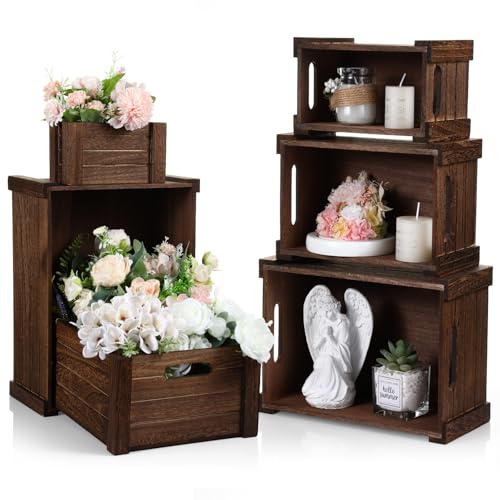
If you’re looking to maximize interest in your home items, the arrangement speaks volumes. Dynamic layouts capture attention, while harmonious combinations of textures and colors can awaken emotions. Begin by removing unnecessary accessories, creating a clean slate that puts your pieces in the spotlight.
Focus on spatial distribution. Aim for a balanced setup across the area. Group similar styles together to create a cohesive look, fostering a sense of unity that draws the eye. Enhance visual appeal using well-placed lighting to highlight specific pieces and create an inviting atmosphere.


Accessorize thoughtfully. Use decorative items such as books, plants, or artwork to enrich surfaces without overwhelming them. A touch of greenery can liven up the scene, while personal touches make the space relatable. Remember, less can be more; the goal is to make the environment feel welcoming while showcasing your goods effectively.
Effective Display Techniques for Your Items
Focus on the flow of space; ensure pathways are clear and allow easy movement. Arrange pieces in a way that guides potential buyers through the area, making it easy to envision how they might use each item in their homes.
Highlight Key Features
Draw attention to unique details by positioning lighting to emphasize textures, colors, and craftsmanship. Use neutral decor elements around the main pieces to prevent distractions, allowing the buyer to appreciate the quality and style more readily.
Optimize for Photos
When capturing images for listings, utilize natural light as much as possible. This enhances the appearance of items and provides an accurate representation. Choose angles that showcase the context and size effectively, giving a clear impression of how the items can fit into various living spaces.
Assessing the Current Condition of Your Items
I begin the evaluation by closely examining each piece. Look for visible signs of wear, including scratches, dents, or discoloration. Take detailed notes on any damage that requires attention.
Detailed Inspection Checklist
- Check joints and seams for stability.
- Inspect upholstery for tears or holes.
- Assess wood surfaces for finish degradation or moisture damage.
- Evaluate metal components for rust or corrosion.
- Examine functionality, such as drawer slides or hinge operations.
If repairs are necessary, prioritize them based on severity. Minor fixes, like tightening screws or applying polish, can enhance appeal without significant investment. For items needing professional restoration, weigh the costs against potential return on investment.
Cleaning and Maintenance
- Dust surfaces thoroughly.
- Use appropriate cleaners for materials (wood, fabric, or metal).
- Condition leather or wood to restore luster.
After cleaning, assess the overall visual impact. Items that look well-cared-for draw more attention. Consider displaying alongside complementary accessories or decor to highlight their attributes. This approach elevates perception and can influence purchasing decisions.
Choosing the Right Location for Staging
Select an area with ample natural light. Well-lit spaces not only enhance the appeal of items but also allow potential buyers to see true colors and details.
Utilize areas that are uncluttered to avoid distractions. A clean background ensures that the showcased pieces stand out, making it easier for buyers to envision them in their own homes.
Consider using a neutral space. A simple environment helps your belongings pop without competing with bold colors or busy patterns.
Maximize space by placing items in a way that showcases functionality. For example, arrange seating near a coffee table to illustrate a cozy living area, giving onlookers a sense of purpose.
Utilize outdoor areas, if possible. A patio or balcony can showcase larger pieces like outdoor chairs or tables, adding variety to the display.
Engage multiple angles by photographing from different perspectives. This approach provides a well-rounded view, inviting consideration from various angles.
Assess foot traffic patterns. High-traffic areas allow for more visibility, increasing the likelihood that potential buyers will notice the items.
Evaluate nearby decor. Coordinate your pieces with existing decor to enhance visual flow, promoting a harmonious atmosphere that resonates with viewers.
| Location Type | Advantages |
|---|---|
| Living Room | Ample light, showcases comfort |
| Kitchen | Demonstrates practicality and usefulness |
| Outdoor Space | Displays versatility, ideal for larger items |
| Neutral Rooms | Allows focus on pieces, enhances visual appeal |
Cleaning and Repairing Your Items Before Displaying
Begin with a thorough cleaning of each piece. For fabric-covered items, vacuum carefully to eliminate dust and debris. Spot-clean with an appropriate shampoo if necessary, testing an inconspicuous area first. For leather items, use a dedicated cleaner and conditioner to restore suppleness and shine.
Addressing Minor Imperfections
Inspect each item for scratches, dents, or loose parts. For wooden pieces, fine sandpaper can smooth out blemishes, followed by a wood polish that matches the finish. Tighten any screws or bolts that may have come loose, ensuring stability. If there are significant damages, consider repainting or refinishing surfaces to achieve a like-new appearance.
Enhancing the Appeal
Consider adding decorative elements, like new cushions or throws for upholstery, which can instantly refresh the look. Use soft, neutral colors to attract potential buyers and create a welcoming atmosphere. Finally, eliminate any odors by placing baking soda on upholstery overnight before vacuuming.
Arranging Furniture to Maximize Space and Flow
Place larger pieces against the walls to create an open area in the center. This approach provides a natural flow, making the space feel larger and more inviting. Consider using mirrors on adjacent walls to enhance light and create a sense of depth.
Defined Zones
Establish functional zones with your arrangements. For example, group seating together in a conversational arrangement, while placing a table centrally for dining or work. This tactic not only improves usability but also visually delineates different areas within the room.
Traffic Patterns
Ensure clear pathways around the space. Maintain at least 24 inches of walkable area to facilitate smooth movement. Avoid obstructing entrances and exits by positioning items thoughtfully. An unobstructed layout promotes accessibility and comfort for potential buyers.
Incorporating Accessories to Enhance Appeal
Choose accessories that complement the main pieces. A few well-selected items can create a coherent theme, making the space feel inviting. I often opt for neutral palettes with a pop of color to draw interest without overwhelming the viewer.
Textiles and Fabrics
Introduce throw pillows and blankets to add texture. I recommend mixing patterns and materials, ensuring they coordinate with the predominant colors in the room. A soft, plush throw can convey comfort, while structured cushions can add sophistication.
Lighting
A strategically placed lamp or decorative candle holders can dramatically change the ambiance. I suggest using warm light sources, as they create a welcoming atmosphere. Adjustable lighting helps highlight key areas, drawing attention to the best features.
Incorporate artwork or mirrors to create visual interest. Large pieces can serve as focal points, while smaller items can be grouped in collections for a curated look. I always ensure that these accents fit the scale of the room, as oversized art in a compact area can feel cramped.
Lastly, greenery plays a crucial role in liveliness. Choose low-maintenance plants or fresh flowers to add life. Their organic shapes contrast well with rigid lines of furniture, contributing to a balanced aesthetic. Always place them in well-chosen spots where they can breathe and thrive.
Utilizing Lighting to Highlight Key Features
To enhance the visual impact of my items, I strategically position lighting to accentuate their best attributes. Natural light works wonders; I maximize it by placing each piece near windows. If that’s not feasible, I opt for warm, soft artificial lights that create inviting atmospheres and reduce harsh shadows.
Layering Light Sources
I incorporate multiple light sources to create depth. Using overhead fixtures provides general illumination, while floor lamps and table lamps add warmth and highlight specific areas. Adjustable fixtures allow me to focus on particular pieces, drawing the eye where I want it.
Using Color Temperature Wisely
In selecting bulbs, I pay attention to color temperature. I prefer bulbs around 2700K to 3000K for a cozy feel. This warm light is particularly flattering and makes wood tones and other materials appear richer. For modern items, cooler temperatures can emphasize sleek lines and contemporary aesthetics.
Finally, I avoid direct glare or overly bright spots. Dimmer switches are helpful to control intensity and set the mood according to the items’ character. With thoughtful lighting, my displays captivate potential buyers, creating an inviting environment that showcases the unique features of each piece.
Taking Quality Photos for Online Listings
Use natural light to your advantage. Position the item near windows during daylight hours to create a bright, inviting atmosphere. Avoid direct sunlight that may cause harsh shadows and overexposure.
Consider the background. A clean, uncluttered background focuses attention on the object. A neutral wall or a simple sheet can enhance the visual appeal without distractions.
Use a tripod to maintain stability and clarity. This helps achieve sharp images, especially in lower light conditions. Consistent angles contribute to a professional look across multiple photos.
Capture multiple angles to provide a comprehensive view. Include close-ups of details such as textures, finishes, and any unique features. This allows potential buyers to assess quality more effectively.
- Front view
- Side view
- Close-ups of important details
- Overall room context
Edit images for brightness and contrast without overdoing it. Minor adjustments can enhance appeal but maintain realism. Avoid filters that misrepresent actual colors and textures.
Use consistent framing. Keeping the item centered and taking photos from similar heights helps maintain a cohesive look. This organization speaks volumes about the quality of your listing.
Finally, ensure resolution is high enough for online viewing. Aim for at least 1000 pixels in the largest dimension to allow for zooming without losing quality.
FAQ:
What are the key steps to prepare furniture for sale?
To successfully prepare furniture for sale, you should first clean each piece thoroughly, removing any dirt or stains. After cleaning, inspect the furniture for damage and make necessary repairs, whether that means tightening loose screws, repairing scratches, or even refinishing surfaces. Once the furniture is in good condition, consider staging it in an appealing way—arranging it as it might be used in a home setting. Finally, take high-quality photos from different angles, ensuring good lighting, to help attract potential buyers.
How can I enhance the appeal of my furniture when staging it?
Enhancing the appeal of your furniture involves a few strategic approaches. First, you should declutter the space around the furniture to let each piece shine. Adding accessories like cushions, throws, or plants can create a cozy atmosphere and showcase how the furniture fits into a living space. Using neutral colors or light shades for staging can help potential buyers envision how they would personalize the space. Lastly, good lighting can make a big difference—natural light is ideal, but if that’s not possible, ensure the area is well-lit.
What mistakes should I avoid when staging furniture for sale?
A common mistake when staging furniture is overcrowding the space. A cluttered environment can make it hard for buyers to picture the room’s potential, so keep arrangements simple and spacious. Another error is neglecting to clean and repair items before listing. Dirty or damaged furniture can turn buyers away. Additionally, avoid using overly personal décor items, as they might not resonate with all buyers. Stick to neutral accessories that appeal to a wide audience. Finally, be cautious with pricing; research similar items to set a competitive price that reflects the furniture’s condition and market demand.
How should I photograph furniture for an online sale?
To photograph furniture effectively for online sales, choose a clean, well-lit area, preferably with natural light. Take pictures from various angles to give potential buyers a comprehensive view. Include close-ups of any unique features or imperfections to provide transparency. Ensure the backdrop is uncluttered to maintain focus on the furniture. Using a tripod can help stabilize your shots for clearer images. Lastly, consider staging the furniture in a way that highlights its use, such as arranging it in a stylish room setting to inspire buyers.