
 Caleb Turner
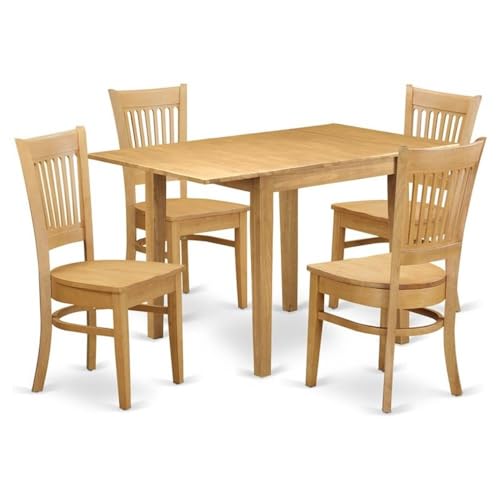
Clearly define what you’re offering to attract the right audience. Capture high-quality images showcasing different angles and details of your items. Use natural lighting and declutter the background for a clean look. The appearance of your goods can significantly impact potential buyers’ interest.
Craft an enticing description that includes dimensions, materials, and any unique features. Honesty about the item’s condition is crucial; disclose any wear and tear. Including keywords that buyers might search for will improve visibility across various platforms.
Select the right venue for your listings. Explore specialized marketplaces, social media groups, and community boards that target buyers interested in second-hand items. Position your posts thoughtfully to reach local audiences, as many prefer to inspect before purchasing.
Pricing strategically can make a substantial difference. Research comparable listings to find a competitive price point. Consider allowing for negotiation, but set a clear minimum that reflects your item’s value. Be prepared to respond promptly to inquiries to maintain buyer interest.
Tips for Marketing Pre-Loved Items on the Internet
Use high-quality images from various angles to showcase your item. Ensure the lighting highlights any significant details.
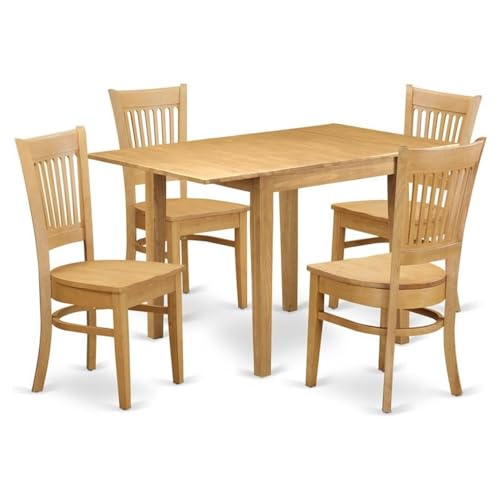


List items on multiple platforms to increase visibility. Consider options like social media marketplaces, dedicated selling sites, and community groups.
Write clear, concise descriptions that include dimensions, material, condition, and any unique features. Be honest about imperfections to build trust.
Price items competitively by researching similar listings. This helps attract buyers while ensuring a fair value for both parties.
Respond to inquiries quickly to demonstrate professionalism and commitment. Timely communication can significantly influence the buyer’s decision.
Offer local pick-up to reduce shipping complications. Alternatively, consider shipping options only if feasible and safe.
Promote your listings through your social media accounts. Share with friends and ask them to spread the word to reach a larger audience.
Follow up with buyers after the transaction to receive feedback. This can enhance your reputation and aid in future sales.
Choosing the Right Platform for Your Furniture Sale
My first recommendation is to identify the platform that aligns with your target audience and item type. Each marketplace has its unique demographics and specialties. For instance, local classifieds may work best for bulkier items, while niche platforms can be advantageous for specialty pieces.
Here’s a quick comparison of popular venues I considered:
| Platform | Best For | Fees | User Base |
|---|---|---|---|
| Facebook Marketplace | General items, local buyers | None | Large, diverse |
| Craigslist | Bulkier goods, local transactions | None | Local, varies by region |
| eBay | Unique, collectible items | Varies (percentage of sale) | Global |
| Chairish | Designer, vintage pieces | 20% commission | Niche, upscale buyers |
| OfferUp | Local selling, convenient app | None | Local, growing |
Targeting the correct audience is crucial. For instance, if your items are modern or designer, platforms like Chairish can connect you with buyers who appreciate quality. Alternatively, if you’re parting with everyday pieces, Facebook Marketplace or Craigslist might offer faster transactions without any listing fees.
After pinpointing suitable locations, consider how their features match your selling style. Do they support local pickup? Are shipping options available? Assessing user-friendliness and support can also make a significant difference. Spend time researching each platform’s policies, as understanding these can help you set the right expectations and avoid surprises later.
Testing multiple platforms may yield the best results. Each has its unique engagement style, and sometimes, cross-listing can increase visibility and attract potential buyers from various networks.
Taking High-Quality Photos of Your Furniture
Utilize natural light for the best results. Position your items near windows during daylight hours. Avoid direct sunlight which can create harsh shadows and distort colors.
Use a clean, uncluttered background that doesn’t distract from the piece being showcased. Neutral shades or simple textures work wonders.
Capture multiple angles of each item to provide a comprehensive view. Include close-ups that highlight the material, texture, and any unique features. Ensure that no details are overlooked–buyers often want to see the condition clearly.
Maintain consistent framing throughout your shots. Use the same height and distance for each piece to create a cohesive look in your listings.
| Tip | Description |
|---|---|
| Lighting | Use daylight, avoid harsh shadows. |
| Background | Choose neutral, uncluttered settings. |
| Angles | Show multiple perspectives for better insights. |
| Detail Shots | Highlight features and textures through close-ups. |
| Consistent Framing | Maintain uniform height and distance in shots. |
For enhanced results, consider using a tripod to keep images steady and avoid blurriness. Adjust the camera settings according to the environment to ensure clarity.
Finally, avoid digital filters that alter colors unrealistic. Authentic representation builds trust and encourages potential buyers.
Writing Descriptive and Honest Listings
Be specific about dimensions. Include measurements for height, width, and depth in both inches and centimeters. This helps potential buyers visualize the item in their space.
Describe the material and condition accurately. If the product is made of oak, pine, or another material, mention it. State any wear and tear, scratches, or stains to ensure transparency.
Highlight unique features. If there are special attributes, like a pull-out drawer or a removable cushion, include these details to draw attention to the item’s advantages.
Use clear and concise language. Avoid jargon or complex terms that may confuse readers. Simple descriptions such as “comfortable sofa in light blue” are more effective.
Write engaging but factual copy. Personality can differentiate your listing from others. Phrases like “this vintage chair will add charm to your living room” feel more inviting while remaining honest about the product.
Provide background if relevant. A brief history, such as “purchased from a local artisan,” can create a connection, making the piece more appealing.
Encourage questions. End the listing with an invitation for inquiries. This shows openness and willingness to provide more details, fostering trust.
Setting Competitive Prices for Second-Hand Goods
To establish appealing prices for pre-owned items, I conduct thorough market research. This involves browsing through various platforms where similar products are listed, examining their asking prices, and noting any differences based on condition, brand, and style. I keep a close eye on comparable pieces to ensure my pricing aligns with the current market trends.
Factors to Consider
- Condition: I assess the wear and tear on each item. Slightly used pieces might command a higher price compared to those with visible flaws.
- Brand: Esteemed brands usually retain higher value. I highlight any brand recognition in my descriptions.
- Age: Vintage items can be more sought after. I research the demand for specific styles or eras to adjust prices accordingly.
- Market Demand: If there’s a local or trendy interest in certain designs, I may price higher. I monitor trends to capitalize on this demand.
- Comparative Analysis: I regularly check listings of my competitors to understand their pricing strategies and adjust my own to remain competitive.
Pricing Strategies
- Listed Price: I usually start with a price that is 10-20% higher than the lowest I’m willing to accept, allowing room for negotiation.
- Discounts: Offering limited-time discounts can create urgency. I set specific timeframes to encourage quicker transactions.
- Bundling: If I have multiple items, I may offer a bundled price. This tactic can attract buyers seeking to purchase more than one piece.
- Free Shipping or Delivery: Including delivery in the price may justify a higher listing. I clearly convey this advantage in my posts.
By applying these strategies and continually adjusting my prices based on feedback and sales, I ensure my items remain appealing to potential buyers while maximizing my gains.
Preparing Furniture for Sale: Cleaning and Repairing
Thoroughly clean each piece. I use a mix of warm water and mild soap, applying it with a soft cloth to avoid scratches. For wood items, I often add a little furniture polish to enhance shine and protection. After cleaning, I let everything dry completely to prevent damage.
Inspect for damages. I carefully check for scratches, dents, or loose parts that could deter buyers. Small scratches can often be hidden with a wood marker, while dents may require a steam method or gentle sanding followed by touch-up paint. For upholstered pieces, I check for stains and odors and use upholstery cleaner as needed.
Address any functional issues. I tighten screws, fix wobbly legs, and ensure all components work correctly. If I notice any broken items, I either repair them or disclose their condition in the listing. I avoid hiding problems, as transparency can build trust with potential buyers.
Polish metal parts and clean glass surfaces. A simple vinegar and water solution usually does the trick for glass, ensuring a streak-free finish. For metal fixtures, I sometimes use a metal polish to restore luster. This attention to detail makes a noticeable difference in presentations.
Ultimately, investing time in cleaning and repairs pays off. The cleaner and more functional the item is, the more appealing it becomes to potential buyers. It’s worth the effort to enhance the selling potential of each piece. Always remember to photograph the item after completing these steps to showcase its condition accurately.
Tips for Promoting Your Listings Effectively
Leverage social media. Share your ads on platforms like Facebook and Instagram, targeting local groups dedicated to buying and selling items. Engaging with users through comments can also increase visibility.
Utilize keywords. Optimize your listings with specific phrases potential buyers may use. This improves searchability and attracts more eyes to your posts.
Timing matters. Post your items during peak traffic hours. Evenings and weekends often see higher engagement, increasing your chances of a quick sale.
Create appealing titles. Use descriptive language that highlights the best features of your item. For example, “Mid-Century Modern Coffee Table” is far more enticing than simply “Table.”
Encourage interaction. Invite potential buyers to ask questions or request additional details. This can build rapport and increase interest in your offering.
Offer bundle deals. If you have multiple items, consider creating package offers. Buyers often appreciate the opportunity to save money while acquiring several pieces at once.
Promote urgency. Indicate if the listing is part of a limited-time sale or if you’re moving soon, prompting quicker decisions from interested parties.
Engage with online communities. Participate in forums or groups focused on home decor or thrift finds. Sharing your listings within these spaces can connect you with motivated buyers.
Consider paid promotions. Utilizing sponsored posts or ads can broaden your reach beyond organic methods, placing your listings in front of a larger audience.
Maintain a prompt response time. Quick replies to inquiries demonstrate reliability and eagerness to finalize transactions, which can enhance buyer confidence.
Communicating with Potential Buyers
Response time matters. I always prioritize replying to inquiries as quickly as possible. If I get a message, I aim to respond within a couple of hours. This builds trust and shows that I’m serious about the transaction.
Be Clear and Concise
When answering questions, clarity is key. I avoid long-winded explanations. Instead, I provide straightforward answers to help buyers make decisions faster. For example, if someone asks about the condition or measurements, I give a direct response without unnecessary details.
Encourage Questions
I let potential buyers know they can ask anything. This openness can lead to a smoother negotiation process. If a buyer is hesitant, I encourage them to voice their concerns, which often helps clarify doubts and builds rapport.
Negotiation is part of the experience. I remain flexible with pricing while being clear on my lowest acceptable offer. By stating my position calmly, I create an environment where buyers feel comfortable discussing their proposals.
After agreeing on a price, I confirm the arrangements. I provide details on pickup or delivery, ensuring both parties understand the logistics. Clear communication in this phase prevents misunderstandings and sets expectations right.
Lastly, I value feedback. After finalizing a sale, I sometimes follow up to ask about the buyer’s experience. Learning how my approach impacted their decision helps refine my strategy for future interactions.
Arranging Safe and Convenient Meetings for Transactions
Choose public spaces for meetups, like coffee shops, malls, or community centers. These locations provide a neutral ground, ensuring safety for both parties involved.
Timing and Communication
Schedule meetings during daylight hours. This reduces risk and increases comfort. Confirm the details with the buyer in advance, including time and location, to avoid confusion.
What to Bring
- Have your item ready for inspection.
- Bring any necessary tools for disassembly, if needed.
- Prepare a form of ID to show legitimacy.
Consider setting a specific time limit for the meeting to keep the transaction efficient. If possible, have a friend accompany you for added safety. This not only discourages potential issues but also provides assistance if needed.
If the buyer insists on meeting at their location, trust your instincts. It might be wise to decline if you feel uncomfortable and suggest an alternative space instead. Prioritize safety and comfort throughout the process.
Handling Payment Methods Securely
Opt for secure payment platforms, such as PayPal or Venmo, that offer buyer and seller protection. This ensures that funds are securely held until both parties fulfill their obligations.
Never share sensitive information like bank account details or personal identification numbers directly with buyers or sellers. These should remain confidential to protect against fraud.
- Use Escrow Services: Consider utilizing escrow services for higher-value transactions. This protects both sides by holding funds until the item is received and approved.
- Cash Transactions: If meeting in person, cash can facilitate quick and simple exchanges. Ensure you meet in a safe location and verify bills for authenticity.
- Trust Signals: Evaluate buyer profile ratings and reviews on selling platforms. Look for established accounts with positive feedback.
Always confirm payment before handing over items. If using digital payment methods, check for transaction notifications or confirmations. Wait for funds to clear before proceeding.
Be cautious in communicating about payments, keeping it within the platform’s interface to avoid scams from external messaging apps.
Finally, keep all transaction records, including messages and payment confirmations. This documentation can be invaluable in case of disputes.


