
 Caleb Turner

If you’re looking to refresh the appearance of your synthetic surfaces, the process is straightforward and gratifying. First, clean the surface meticulously to remove any dust, grease, or residue. Using a mixture of mild detergent and water works wonders for preparing the area.
Once clean, the next step involves selecting an appropriate primer designed for non-porous materials. Applying a thin layer ensures better adhesion of the subsequent coloring treatment. This phase is critical, as a good foundation determines the longevity of your new finish.
After the primer has dried completely, choose a suitable paint or stain. Water-based options are often preferable for easy application and cleanup. Applying multiple thin coats will yield the best results and enhance the depth of color. Between coats, a light sanding will help achieve an even smoother finish.
Finally, once the last coat is dry, sealing the surface with a clear topcoat provides added durability. This ensures your revamped surfaces not only look great but also withstand everyday use. Enjoy the transformation!


Steps for Refreshing Your Surfaces
First, clean the surface thoroughly with a mild cleaner to eliminate dust and grease. This ensures that the new color adheres well. Use a soft cloth and avoid abrasive materials to prevent scratches.
Choosing the Right Products
Select a high-quality tinting product specifically designed for synthetic surfaces. Water-based options are generally easier to work with and have less odor. Make sure the shade aligns with your desired outcome.
Application Techniques
Utilize a fine brush or foam applicator for even coverage. Apply thin layers to avoid drips and ensure control over the finish. Allow each coat to dry completely before adding additional layers. For the best results, lightly sand between coats with fine-grit sandpaper to smooth the surface.
Choosing the Right Stain for Laminate
I recommend opting for a gel stain or a water-based option when looking to change the color of your surfaces. Gel stains adhere better to synthetic materials, providing a more even finish without overwhelming the texture. Water-based stains are easier to work with and offer a lower odor, which is beneficial for indoor projects.
Consider the desired finish; matte, satin, or gloss each create distinct appearances. For a more classic look, I suggest a satin finish, while gloss can give a more polished and modern feel.
Before application, testing your chosen product on a small, inconspicuous area can help reveal how the final color will appear. This step can save you from potential disappointments after completing the entire project.
Remember to match your selected shade with the existing decor. A color wheel can be useful in identifying complementary tones if you’re unsure about your choices. This ensures that the transformed surface harmonizes with the rest of the space.
Don’t skip the primer if you’re working with a lighter stain on a darker base; this will enhance the color’s vibrancy and ensure even coverage. Follow the manufacturer’s instructions for drying times and re-coating to achieve optimal results.
Preparing the Surface for Staining
Begin with a thorough cleaning of the piece using a mild detergent mixed with water. This removes dust, grease, and any residue that could hinder adhesion.
Surface Preparation Steps
Follow these steps to ensure the best results:
| Step | Action |
|---|---|
| 1 | Wipe down using a damp cloth to eliminate any dirt. |
| 2 | Sand the surface lightly with fine-grit sandpaper (220 grit) to create a texture for better stain absorption. |
| 3 | Clean the dust from sanding with a vacuum or tack cloth. |
| 4 | Apply a primer suitable for non-porous surfaces to improve stain adherence. |
| 5 | Allow the primer to dry completely before proceeding. |
Using the right tools, such as a high-quality brush or spray applicator, will also enhance the finish. I recommend testing the stain on a small, inconspicuous area to see how it reacts with the prepared surface before applying it broadly.
Applying the Stain Evenly and Smoothly
I always make sure to use a high-quality applicator, such as a foam brush or a lint-free cloth, which helps in distributing the color uniformly. It’s key to soak the applicator lightly with the stain and then remove excess product. A damp applicator prevents drips and allows for better control.
I apply the stain in long, consistent strokes, working in one direction rather than back and forth. This technique prevents streaks and promotes an even finish. For larger surfaces, I’d suggest dividing the area into manageable sections, ensuring that each section is completed before moving on to the next.
If I notice any spots that look darker or lighter, I blend them quickly with the applicator while the stain is still wet. It’s important not to let the stain dry on uneven patches, as this will lead to a less desirable look. A light sanding with a fine-grit paper between coats can also help to achieve a smoother surface and enhance adhesion.
When applying multiple coats, I allow adequate drying time as per the manufacturer’s instructions. This ensures that each layer sets correctly and achieves the desired depth of color. I also keep my workspace free of dust and debris to maintain the integrity of the finish.
Sealing the Stain for Durability
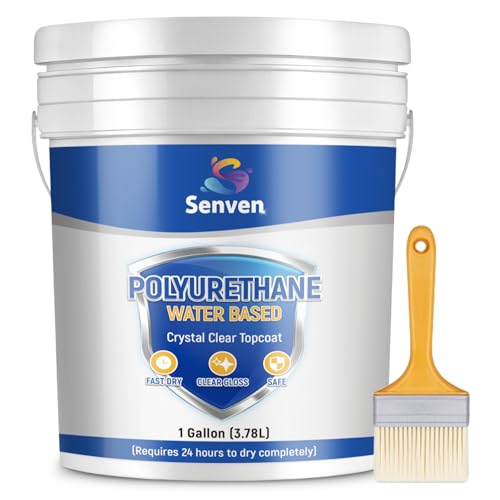
To ensure the longevity of the color applied to the surface, the sealing process is critical. I recommend using a water-based polyurethane for its ease of application and quick drying time. It forms a protective layer that enhances the stained appearance while providing resistance against wear and moisture.
Follow these steps to seal effectively:
- Select the Right Sealant: Choose a clear water-based polyurethane that is specifically designed for use on surfaces like this. Ensure it is compatible with the stain previously applied.
- Preparation: Make sure the stained surface is completely dry. This usually takes at least 24 hours, depending on the product used. Lightly sand the surface with fine-grit sandpaper to promote better adhesion of the sealant.
- Application: Using a high-quality synthetic or foam brush, apply the sealant in thin, even coats. Work in the direction of the grain to avoid brush marks.
- Drying Time: Allow each coat to dry thoroughly. Typically, two to three coats are recommended for optimum protection. Follow the manufacturer’s instructions for drying times between coats.
- Final Sand: After the last coat has dried, lightly sand with ultra-fine sandpaper for a glass-like finish. Be sure to wipe away any dust with a damp cloth.
Once sealed, let the item cure for a few days before heavy use to allow the protective layer to reach maximum strength. This step ensures the beauty and integrity of the finish endure over time.
Tips for Maintaining Restained Laminate Furniture
Regularly clean the surface with a damp cloth and a mild detergent to keep the finish intact. Avoid abrasive cleaners that can damage the coating.
Preventing Damage
- Use coasters and placemats to shield surfaces from heat and moisture.
- Avoid direct sunlight which may cause fading and discoloration.
- Keep heavy items off edges to prevent warping or denting.
Routine Inspection
Check periodically for scratches or areas of wear. Touch up as needed with a matching stain or finish to maintain appearance.
- Address small imperfections immediately to prevent further damage.
- Examine joints and corners for signs of loosening or damage.
Avoid placing items with sharp edges directly on the surfaces. Regularly reassess your approach to cleaning and maintenance to adapt as necessary.
Common Mistakes to Avoid When Restaining
Skipping the cleaning step will lead to poor adhesion of the stain. Always ensure the surface is free of dust and grease before starting the process.
Using the wrong type of product can result in uneven color and finish. Choose specifically designed stains and finishes that work well with synthetic surfaces.
Applying too thick a coat can cause drips and streaks. Thin, even layers are more manageable and provide a professional look.
Neglecting to test the stain in an inconspicuous area may yield unwanted results. Test it first to see how the color develops on the substrate.
Forgetting to allow adequate drying time between applications will disrupt the finish. Follow the manufacturer’s instructions regarding drying guidelines.
Over-sanding can damage the texture and integrity of the piece. Lightly sand only to create a good key for the stain.
Using the wrong tools can affect the application. Synthetic brushes or foam applicators often give the best results for even coverage.
Not sealing the stain properly may leave it prone to damage. Always follow up with an appropriate sealer to ensure longevity.
Ignoring the local temperature and humidity can drastically affect drying times and the final appearance. Always consider the environment while applying products.
Rushing through the whole process can lead to subpar results. Take your time to do it right, ensuring each step is followed closely for the best outcome.
FAQ:
Can I restain laminate furniture, and what materials do I need?
Yes, you can restain laminate furniture, but it requires specific techniques because laminate is not the same as solid wood. To restain laminate furniture, you’ll need sandpaper (medium and fine grit), a primer designed for laminate surfaces, a suitable stain or paint, and a sealant for protection. Make sure to also have cleaning supplies, like a cloth or sponge, to prepare the surface before starting.
What steps should I follow to prepare my laminate furniture for staining?
Preparing laminate furniture for staining involves several important steps. First, clean the surface thoroughly with a mild cleaner to remove any dirt or grease. Next, lightly sand the laminate with medium-grit sandpaper to create a rough surface that helps the primer adhere. After sanding, wipe down the furniture again to remove dust particles, then apply a primer specifically made for laminate. Allow the primer to dry completely before applying the stain.
How long does the entire process of restaining laminate furniture take?
The time it takes to restain laminate furniture can vary depending on several factors. Generally, the preparation steps (cleaning and sanding) may take about 1-2 hours, and applying the primer and stain can take an additional 1-3 hours each, depending on drying times. Allowing for the final sealant to cure can take another few hours to a day. Overall, you might expect the entire process to span a full day or more with drying times included.
Can I choose any color stain for my laminate furniture?
While you can choose various colors for staining laminate furniture, it’s important to consider that laminate surfaces typically have a glossy finish that may not absorb color as well as wood. Therefore, it’s wise to test the stain on a small, inconspicuous area first to see how it reacts. Water-based stains usually work better on laminate as they tend to provide more even coverage. Keep in mind that darker stains may require additional coats for full opacity.
What should I do if my laminate furniture starts to peel after restaining?
If your laminate furniture begins to peel after restaining, first assess the area to identify the extent of the peeling. Gently scrape away any loose or peeling sections with a putty knife or your fingernail. After that, lightly sand the affected area and clean it, then reapply primer to ensure proper adhesion. Finally, apply the stain or paint again, making sure to use a sealant to protect the surface thereafter. If peeling persists, it might indicate that the laminate surface is wearing down, requiring more extensive repair or replacement.
What materials do I need to restain laminate furniture?
To restain laminate furniture, gather the following materials: a clean cloth for dusting, a laminate-safe primer to help the stain adhere, a high-quality furniture stain in your desired color, a paintbrush or foam applicator for even application, and a clear topcoat to protect the finish once you’re done. Additionally, consider sandpaper for gently scuffing the surface, gloves to keep your hands clean, and painter’s tape to protect any areas you don’t want to cover with stain.
Can I change the color of my laminate furniture completely?
Yes, you can change the color of laminate furniture, but it requires careful preparation. First, clean the surface thoroughly to remove any grease or dust. After that, lightly sand the laminate to create a texture for better adhesion. Applying a primer designed for laminate is crucial since it helps the stain to adhere effectively. Once the primer has dried, you can apply your chosen stain. Remember that the final color may not be as vibrant as on wood due to the laminate’s nature, so testing the stain on a small, inconspicuous area first is advisable. After staining, finish with a clear topcoat to protect your newly stained furniture.


