
 Caleb Turner
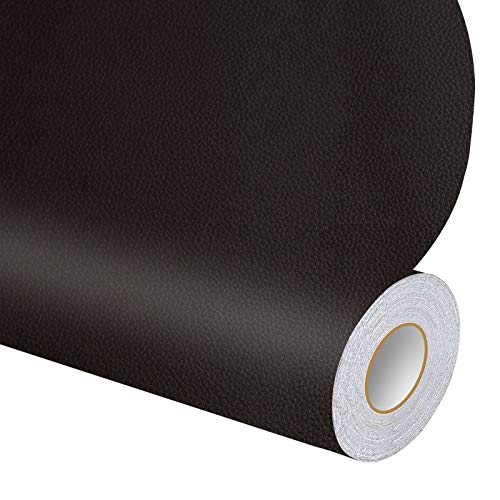
Applying color restorers tailored for natural materials can breathe new life into damaged surfaces. Choose products that match the original hue of your sofa or chair for seamless coverage. It’s essential to test on a hidden area first, ensuring the outcome fulfills expectations.
Before beginning, prepare the surface meticulously by cleaning it with a gentle detergent and water solution. Allow it to dry completely before moving on to the next step. This process not only enhances adhesion but also eliminates any contaminants that might hinder the effectiveness of restoring solutions.
After the initial cleaning, a patching compound can be used to fill in cracks or missing sections. Look for compounds specifically designed for soft surfaces, ensuring durability and flexibility. Apply it carefully with a small spatula, smoothing it out so it integrates well with the surrounding area.
Once the filler is dry, sanding lightly will create a smooth finish, ready for the coloring agent. Applying the colorant in thin, even layers will yield the best results; multiple coats can help achieve a rich, uniform appearance. Following the manufacturer’s drying times is crucial for a successful outcome.


Finally, sealing the surface with a protective finish will help prevent future damage. Selecting a suitable conditioner for the material will not only maintain its appearance but also prolong its lifespan, keeping it looking fresh and inviting for years to come.
Repairing Peeling Surfaces on Upholstery
I recommend starting with thorough cleaning of the affected area. Use a mild soap solution and a soft cloth. Gently wipe away dirt and debris, ensuring not to damage the surrounding material.
Next, assess the extent of the damage. If it’s mild, a specialized leather conditioner can restore moisture and flexibility. Apply the conditioner sparingly and rub it in with a soft cloth, allowing it to absorb fully.
For more severe cases, consider a leather repair kit. Select a shade that matches your upholstery. After preparing the surface with a light sanding, follow the kit instructions for mixing and applying the repair compound. Allow it to cure completely before applying any topcoat or protective finish.
Using Color Matching Techniques
In case of color mismatch, blending can be a practical approach. Try testing the color on a hidden area first. Mix small amounts of paint or dye until you achieve the desired shade, then apply it carefully. This step enhances the aesthetics of the repair.
Final Touches and Maintenance
Once the area is restored, finish with a protective sealant to enhance durability. Regular maintenance with conditioners can prevent future damage. Evaluating that your upholstery is in optimal condition periodically can save time and effort later.
Identify the Type of Leather and Damage
First, it’s critical to determine the specific variety of hide used. Common types include aniline, semi-aniline, pigmented, and bonded. Each type has unique qualities and methods for handling issues. For instance, aniline offers a soft, natural look, whereas pigmented surfaces are more durable and easier to clean.
| Type of Hide | Characteristics | Susceptibility to Damage |
|---|---|---|
| Aniline | Soft, natural finish; breathable | Prone to stains and fading |
| Semi-Aniline | Soft with a protective finish | Moderately resistant to damage |
| Pigmented | More durable; easy to clean | Less prone to discoloration |
| Bonded | Made from leftover pieces; cost-effective | Primarily susceptible to cracking |
Next, evaluate the extent of the deterioration. Minor scratches or cracks can often indicate superficial issues, while extensive flaking suggests deeper underlying problems, potentially requiring more intensive intervention. I recommend using a magnifying glass to inspect for cracks and the state of the finish.
Lastly, the environment plays a role in the condition of the material. Direct sunlight can fade and dry out surfaces, while high humidity can lead to mold growth. Assess the surrounding conditions to tailor the approach effectively.
Gather Necessary Repair Tools and Materials
To address the issues of damaged seating, I ensure I have all the required items ready before getting started. This includes obtaining a quality leather filler, which works best for small cracks and holes, allowing for a smooth finish. A good leather adhesive is also essential for securing any loose pieces or flaking areas on the upholstery.
Must-Have Tools
I find it beneficial to use a spatula or a small putty knife for applying the filler evenly. A fine-grit sandpaper is important for smoothing out any rough edges post-application, ensuring a seamless look. Additionally, I keep a clean cloth on hand for wiping surfaces and removing excess adhesive.
Finishing Touches
Using a high-quality leather conditioner or dye can restore color and luster, blending the patches with the surrounding area. A spray bottle filled with water is handy for dampening the leather before applying any products, enhancing adhesion. Lastly, I always keep gloves available to protect my hands from chemicals and keep everything tidy during the process.
Clean the Peeling Area Thoroughly
Before addressing visible damages, I focus on meticulous cleaning of the affected section. Debris or residues can hinder the application of any solutions. I use a soft, damp cloth to gently wipe away dust, dirt, or any contaminants present.
For deeper cleaning, I prepare a mixture of warm water and a few drops of mild soap, ensuring it’s well diluted. I slightly dampen a cloth in this solution and carefully clean the area while avoiding excess moisture. It’s essential to keep the cloth just damp enough to lift dirt without soaking the material.
After cleaning, I rinse the cloth with plain water, wring it out thoroughly, and wipe the area again to remove any soap residue. This double-step ensures no soap is left behind that might affect later treatments.
Next, I let the surface air dry completely, avoiding any heat sources that might warp or damage the structure.
Drying and Inspection
Once dry, I inspect the area for residual damage or imperfections. This thorough examination allows me to assess what needs immediate attention and ensures optimal preparation for the subsequent steps.
Final Touches
To enhance cleaning efficiency, I might lightly buff the area with a microfiber cloth. This step not only removes any remaining particles but also helps invigorate the surface, making any later repair treatments more effective.
Choose the Right Leather Repair Kit
Selecting an appropriate kit is crucial for achieving a satisfactory fix. Check product specifications for compatibility with your item. Look for kits designed specifically for the type of material you intend to mend.
Key Components to Look For
- Color Matching: Ensure the kit includes dyes or color compounds that replicate your item’s hue.
- Texture Tools: Opt for kits that provide texture stamps or grain patterns to match the original surface.
- Adhesives: A strong bond is necessary; choose products with durable adhesives suitable for extensive use.
- Instruction Manual: Comprehensive guides help navigate the process step-by-step, leading to better results.
Types of Kits Available
- Complete Kits: They usually have everything you need including dyes, adhesives, and tools.
- Patch Kits: Best for larger areas with significant damage; includes patches made from similar materials.
- Color Touch-Up Kits: Ideal for minor scratches or fading, providing simple solutions without extensive application.
After determining the best kit for my needs, I’ve consistently achieved pleasing results, restoring not only the appearance but also extending the life of my possessions.
Apply Leather Adhesive for Minor Peeling
I recommend working in a well-ventilated area to ensure safety while applying adhesive. Start by shaking the leather adhesive bottle well. Test it on a hidden section of the surface to check for any adverse reactions. Once confirmed, apply a thin layer of adhesive directly to the flaking area using a small brush or applicator. Make sure to cover the edges thoroughly to prevent future lifting.
Press and Hold
After applying the adhesive, gently press the loose material back into place. Hold it firmly for about 30 seconds to a minute, ensuring a tight bond. If needed, you can use a weight or clamp to keep the area secure while the glue sets. Refer to the product instructions for optimal drying times.
Finishing Touches
Once the adhesive has dried, inspect the area for any visible residue or unevenness. Use a fine-grit sandpaper to blend the surface carefully, if necessary. Finally, consider applying a clear leather protector or conditioner to enhance the overall look and extend the life of the treated area.
Use Color Matching Techniques for Touch-Ups
Selecting the right hue is critical for seamless touch-ups. I typically begin by examining the original shade under various lighting conditions to accurately assess its tone. Use a color swatch or take a small sample from an inconspicuous area to create a more precise match.
Mix colors gradually if a perfect match is not readily available. A small palette or mixing tray allows for controlled blending of shades. I ensure to test any mixed colors on a hidden section before applying it to the main area to observe how it dries, as it can appear different once set.
Utilize layering techniques to build up color depth. Initially, I apply a light coat, allowing it to dry completely before adding more layers for richness. This method is particularly effective for achieving a natural look, mimicking the original surface texture.
Finally, once the desired appearance is achieved, seal the work with a protective finish that not only enhances the color but ensures durability against future wear and tear.
Properly Condition the Leather After Repair
Applying a quality conditioner is crucial. Select a product specifically formulated for your material type. This will enhance durability and maintain a soft texture. Apply a small amount to a clean cloth and gently rub it into the surface in circular motions.
Allow the conditioner to absorb for at least 15-30 minutes. After this period, wipe off any excess with a dry cloth to prevent a sticky residue. This step ensures moisture retention and protects against future damage.
Routine conditioning every 3-6 months is beneficial. This preventive measure prolongs lifespan and keeps the surface looking fresh. Check product labels for specific recommendations on frequency and application techniques.
Always test on a hidden section before full application to avoid discoloration. This precaution helps to ensure compatibility with the material and desired outcome.
Finally, avoid direct sunlight and excessive heat when drying, as these can lead to drying and cracking. Prioritize a cool, shaded area for optimal results. This careful approach fosters the longevity and aesthetic appeal of your possessions.
Prevent Future Peeling with Care Tips
Maintain a consistent cleaning routine using a damp cloth to wipe surfaces regularly. This prevents dirt accumulation, which can contribute to deterioration over time.
Use Protective Products
Invest in conditioners specifically designed for this material. Applying them every few months helps to nourish and protect the surface, keeping it supple and resilient against wear.
Avoid Direct Heat and Sunlight
Position your items away from direct sunlight and heat sources. Excessive heat can dry out the material, leading to cracks and eventual flaking. Consider using window treatments to block harmful UV rays.
Incorporate a humidity control environment, aiming for a balanced atmosphere. Excessively dry air can be just as damaging, so a humidifier can be beneficial in such cases.


