
 Caleb Turner

Begin the process with a thorough cleaning of the surface using a mixture of mild soap and warm water. A soft-bristle brush will help remove dirt and grime effectively without damaging the wood.
Once dry, inspect for any imperfections or signs of wear. If necessary, gently sand the areas with fine-grit sandpaper to create a smooth, even surface. This step is crucial for proper adhesion of any treatments applied later.
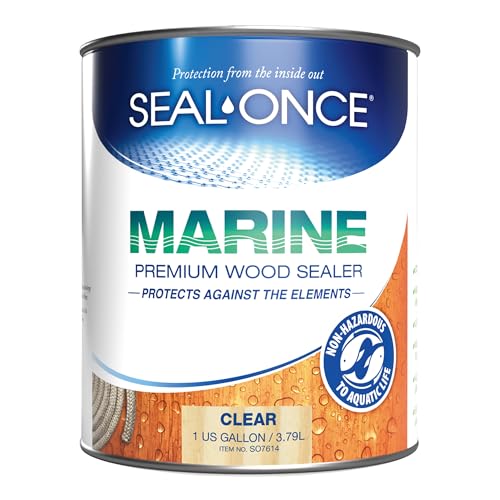


Choose a suitable oil or sealer designed for outdoor use. This will enhance the natural beauty of the wood while providing long-lasting protection against the elements. Apply the product evenly with a clean cloth or applicator, ensuring every part of the surface is covered.
For a polished finish, wait for the product to dry completely and consider applying a second coat. Regular maintenance, including periodic cleaning and reapplication of oil, will keep your seating looking fresh and inviting year after year.
Refurnishing Outdoor Wooden Seating
Begin by cleaning the surfaces thoroughly. A mixture of mild soap and water works effectively. Use a soft brush or cloth to remove dirt and grime, then rinse with clean water and let dry completely.
Next, assess the damage. Look for scratches, dents, or any signs of wear. For minor scratches, I use fine-grit sandpaper, moving in the direction of the grain. Dents might require some moisture to swell back the wood and ease the markings.
Applying Oil or Finish
Select an appropriate oil designed for outdoor wood. I prefer a product enriched with UV protectors to prevent fading. Apply the oil with a clean cloth or brush, ensuring even coverage. Allow it to soak in, and then wipe away any excess after about 20 minutes.
Maintenance Tips
To retain the beauty of the wood, schedule regular cleanings and reapply oil at least twice a year. Storing the items indoors during harsher weather conditions can also extend their lifespan. Regular upkeep will keep the items looking fresh and inviting for gatherings.
Assessing the Condition of Your Teak Collection
Examine surfaces closely for signs of wear, such as scratches or fading, which indicate the need for renovation. Pay attention to any discoloration or dark spots, as these may signal water damage or mold growth.
Check for Structural Integrity
- Inspect joints and connections for looseness or gaps.
- Look for cracks or splits in the wood that might affect stability.
Surface Texture Evaluation
- Run your hand over surfaces to detect roughness. Smooth areas require gentle sanding.
- If you notice a sticky or oily feel, it may be time for cleaning. Use a mild detergent with warm water for this purpose.
To assist further, assess the presence of any mold or mildew. If found, treat the affected areas promptly with a suitable cleaning solution. Finally, consider the overall aesthetic; any major stains or residue may need specialized removal techniques. Regular assessments help prolong lifespan and maintain the beauty of the wood.
Gathering Necessary Tools and Materials
I recommend acquiring a sturdy outdoor workspace or a well-ventilated indoor area to facilitate the process. Ensure you have the following tools ready for use:
– Sandpaper: Obtain various grits, including 80, 120, and 220 grit, for smoothing the surface.
– Orbital sander: This tool will significantly reduce time spent on sanding compared to hand-sanding.
– Brush or roller: Choose a high-quality, natural-bristle brush or a foam roller for an even application of finish.
– Clean, lint-free cloths: These are essential for wiping down surfaces and removing dust during preparation.
– Bucket: Use a clean container for mixing any cleaning solutions or finishes.
– Hose: If necessary, a garden hose can help rinse off furniture after cleaning.
– Protective gear: Use gloves and safety glasses to protect your skin and eyes from chemicals and dust.
Gathering quality materials is equally important:
– Wood cleaner: I recommend a dedicated outdoor wood cleaner to remove dirt and mildew.
– Finishing oil or sealer: Select a product specifically designed for exterior use, which will protect against moisture and UV damage.
– Wood brightener (optional): Consider using this if the wood shows signs of graying or discoloration. It helps restore the natural color.
With the right tools and materials assembled, I’m ready to transform my outdoor pieces effectively.
Cleaning the Surface Before Refinishing
I always begin the preparation by thoroughly cleaning the wood. This step is critical for achieving a smooth finish. I mix warm water with a mild soap, using a soft-bristle brush to scrub the surfaces gently. This helps remove dirt, debris, and mildew without damaging the grain.
After scrubbing, I rinse the pieces with clean water to eliminate any soap residue. It’s vital to ensure that no cleaning agent remains on the surface, as it can interfere with the new coating.
Once rinsed, I let the wood dry completely, which may take several hours, depending on the weather conditions. If the humidity is high, I might wait longer to ensure all moisture evaporates.
If the wood appears weathered, I assess whether light sanding is necessary. Using fine-grit sandpaper, I gently sand in the direction of the grain. This step smoothens the surface and opens up the pores, allowing the new finish to adhere better.
| Cleaning Step | Materials Needed |
|---|---|
| Mix soap and warm water | Soft-bristle brush, mild soap |
| Scrub the surface | Soft-bristle brush |
| Rinse thoroughly | Clean water |
| Let dry | Air dry, duration depends on weather |
| Light sanding (if necessary) | Fine-grit sandpaper |
In addition, if there are any stubborn stains or discoloration, I might use a specialized wood cleaner designed for natural materials, following the manufacturer’s instructions. Taking this time to clean properly significantly enhances the result of the refinishing process, ensuring a flawlessly restored look.
Removing Old Finish and Stains Properly
I first gather any necessary tools for safely stripping away old coatings. I choose a high-quality solvent-based stripper suited for the existing finish and ensure to work in a well-ventilated area. I carefully apply the stripper with a brush, making sure to cover all surfaces evenly.
Technique and Timing
After applying the stripper, I allow it to sit for the recommended duration specified in the product instructions. This waiting period is crucial for the solution to penetrate and loosen the existing finish.
Using a plastic scraper, I gently peel away the softened finish, taking care not to gouge the surface. For stubborn spots, I might reapply the stripper and let it sit for a few more minutes. A stiff brush, along with the scraper, comes in handy for getting into crevices and corners.
Cleaning Residual Stripper
Once I have removed the majority of the old finish, I clean the surface with mineral spirits to remove any leftover residue. This step is vital to avoid interference with subsequent applications. I thoroughly wipe down the furniture using a clean rag, rinsing frequently to ensure no stripper remains.
| Tool | Purpose |
|---|---|
| Solvent-based stripper | To soften old finish |
| Plastic scraper | To carefully remove loosened coating |
| Stiff brush | To address stubborn areas and crevices |
| Mineral spirits | To clean residual stripper |
After removing and cleaning, I allow the surface to air dry completely. Preparing the surface effectively at this stage sets the foundation for achieving a smooth and lasting finish in the next steps.
Sanding Techniques for a Smooth Finish
For achieving a flawless surface on outdoor surfaces made from high-quality hardwoods, I rely on the following sanding techniques:
- Select the Right Grit: Begin with a coarse grit, such as 60 or 80, to remove old finishes and smooth deeper scratches. Transition to finer grits, like 120 and 220, for a silky surface.
- Sand with the Grain: Always move in the direction of the wood fibers. This prevents visible scratches and enhances the natural beauty of the grain.
- Use an Orbital Sander: For larger areas, an orbital sander significantly speeds up the process. Ensure to keep it moving to avoid creating dips.
- Manual Sanding for Detail Work: For intricate details or edges, I prefer hand sanding with abrasive paper wrapped around a sanding block. This method grants better control and precision.
- Keep Dust to a Minimum: Periodically clean the surface while sanding using a vacuum or damp cloth. This prevents dust from embedding back into the wood.
- Final Touch with a Fine Grit: Finish with a 220-grit sandpaper for an exceptionally smooth finish. This step is crucial for optimal penetration of protective coatings.
By following these techniques, I ensure each piece is prepared properly, enhancing both aesthetic appeal and longevity.
Applying Teak Oil: Step-by-Step Guide
First, I ensure the surface is completely dry and free from dust or debris. It’s crucial to work in a shaded area to prevent the oil from drying too quickly in direct sunlight. I gently stir the teak oil to mix it well, avoiding excessive shaking that could create bubbles.
Applying the Oil
I use a clean, lint-free cloth or a brush to apply a generous amount of oil. Starting from one end, I work in sections, applying it evenly to avoid streaks. I make sure to follow the wood grain, allowing the oil to penetrate deeply. Within the first 10-15 minutes, I check for dry spots and reapply oil as needed to maintain a wet surface.
Finishing Touches
After applying the oil, I let it sit for at least 30 minutes. I then take a clean cloth to wipe away any excess oil that hasn’t absorbed. If the wood still appears dry or dull after the first coat, I feel free to apply a second coat after the initial one has cured for at least 24 hours. Regular maintenance is key, so I plan to repeat this process every 6-12 months for optimal preservation.
Sealing the Wood to Protect Against Weather
Applying a high-quality sealant is crucial to safeguard the wood from moisture, UV rays, and temperature fluctuations. I recommend choosing a marine-grade finish for optimal protection. These sealants are specifically formulated for outdoor conditions and resist water penetration effectively.
Before applying the sealant, ensure that the surface is completely dry and free from any residue. I usually wait a full day after cleaning to let moisture evaporate. Using a brush or sprayer, I apply the sealant evenly, following the wood grain. It’s essential to cover all areas, paying particular attention to the joints and edges where water accumulation is more likely.
After the initial coat dries, I lightly sand the surface with fine-grit sandpaper to help the next layer adhere better. I then apply a second coat, which adds an extra layer of defense against environmental elements. For best results, I let the sealant cure for at least 24 to 48 hours before placing the item back in its outdoor setting.
Regular maintenance is key. I check the seal approximately every six months, reapplying as necessary. This not only extends the life of the piece but also maintains its aesthetic appeal throughout the seasons.
Maintaining Your Teak Furniture After Refinishing
To keep your outdoor pieces looking great and prolong their lifespan, I recommend cleaning them regularly with a mild soap and water solution. Use a soft brush to gently scrub the surface, removing dirt and grime without causing scratches.
Applying a protective oil every few months helps enhance the wood’s natural luster and provides a barrier against moisture. Make sure the surface is completely dry before application to achieve the best results.
Inspect for signs of wear such as fading or discoloration. When I notice these indicators, I address them immediately by reapplying treatment to ensure ongoing protection. Sun exposure can cause damage, so consider using furniture covers during extended periods of non-use.
Periodically, I assess joints and fasteners to prevent wobbling or deterioration. Tightening screws and fittings enhances stability. If I spot any cracks, filling them with a suitable wood filler helps maintain integrity.
Storage during off-seasons is another key aspect of care. I store my pieces in a sheltered place whenever possible to protect them from harsh weather conditions. If that’s not an option, covering them with breathable materials minimizes moisture retention.
Lastly, I avoid placing heavy items on the surfaces to prevent dents and scratches. This simple precaution helps maintain their aesthetic appeal and functionality over time.
Common Mistakes to Avoid During Refinishing
Skipping proper surface preparation is a major error. Ensure every inch of the surface is clean and free from dirt or old finishes. This step is non-negotiable for achieving a flawless result.
Another frequent oversight is using the wrong type of sanding paper. Coarser grit can cause damage to the wood, while too fine grit can leave residues that hinder the application of oils or sealers.
- Avoid applying oil too liberally. Excess product can lead to a sticky finish that attracts dirt.
- Don’t rush the drying process. Each layer of oil should fully cure before applying the next, or the finish can remain tacky.
- Neglecting to test products on a small, inconspicuous area first can result in unexpected color changes or reactions. Always check compatibility.
Improper Weather Considerations
Refinishing in humid conditions or direct sunlight can compromise the outcome. Choose a day with mild temperatures and low humidity for the best application results.
Ignoring Regular Maintenance
Once the job is done, forgetting about upkeep can lead to a rapid decline in appearance. Establish a schedule for cleaning and periodic reapplication of oils to extend the lifespan.


