Caleb Turner
Using a scratch-resistant cover can significantly reduce the likelihood of damage to your upholstery. Consider investing in durable fabric or protective slipcovers designed to withstand wear and tear. This first line of defense not only safeguards furniture but also enhances its longevity.
Additionally, providing alternative surfaces for your pet to engage with helps redirect their behavior. Scratching posts made from sisal or cardboard can be effective in satisfying their natural instinct to scratch. Positioning these items near your beloved pieces encourages usage in a more appropriate manner.
Regularly trimming your pet’s claws can also minimize potential harm to your items. Keeping their nails short reduces the depth of scratches and the overall damage inflicted on delicate materials. Establishing a routine for nail maintenance can improve both the appearance of your upholstery and your pet’s comfort.
Finally, using deterrent sprays formulated specifically for this purpose serves as a helpful resource. These sprays, typically citrus-scented, can discourage unwanted behaviors while preserving the aesthetics of your home. Applying them consistently reinforces the idea that certain areas are off-limits.


Strategies for Protecting Upholstery from Claw Marks
Utilize double-sided tape on surfaces that are regularly targeted. The sticky texture is unappealing to pets, encouraging them to explore other areas.
Scratching Posts as Alternatives
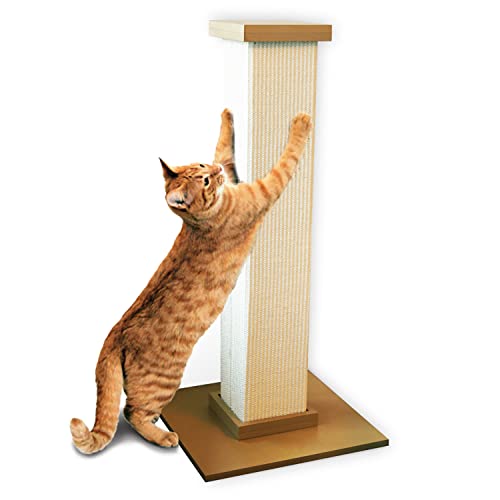
Place sturdy scratching posts near where your pet usually paw at the surfaces. Ensure that these are tall and stable, ideally made from materials that mimic your furniture’s texture.
Play and Engagement
Incorporate interactive toys and regular play sessions to redirect attention. A well-stimulated animal is less likely to engage in destructive behavior.
Identifying Scratching Triggers in Your Cat
Observe your feline’s behavior closely. Specific scenarios may initiate the urge to claw. Note if they exhibit this behavior during playtime, particularly with certain toys, or when they are feeling anxious or energetic.
Environmental Cues
Take stock of your surroundings. Loud noises, unfamiliar visitors, or even changes in temperature might provoke your pet’s instinct. Changes in your routine can also lead to heightened activity levels.
Physical Needs
Ensure play sessions are frequent and stimulating. Engaging honor might redirect their energy away from undesirable habits. Providing appropriate surfaces for scratching, like designated posts or pads, can significantly reduce interactions with your furnishings.
Choosing the Right Cat Scratching Post
Opt for a post that matches your feline’s natural instincts. Look for vertical structures if your pet likes to stretch upwards, or horizontal ones for those who prefer to lay down while clawing.
Material Matters
- Choose sisal or corrugated cardboard; these textures simulate the outdoor experience.
- Avoid plastic or overly slippery surfaces as these discourage use.
Size and Stability
The post should be tall enough for stretching, ideally 30 inches or more. Ensure stability by selecting a base that is heavy or wide, preventing toppling during enthusiastic use.
Consider multiple posts at different heights and styles to cater to preferences. Experiment with placing them near favorite lounging spots or areas frequently visited to encourage exploration.
Applying Deterrent Sprays on Leather Surfaces
Spraying the right deterrent on leather can significantly mitigate unwanted behavior. Choose a product specifically designed for this purpose; these sprays often contain natural ingredients that are safe for upholstery.
Follow these steps for optimal results:
- Select a spray that is alcohol-free to avoid damaging the leather.
- Test the spray on a hidden area to ensure it does not alter the color or texture.
- Apply the deterrent generously but evenly across the surface, focusing on areas frequently targeted by your pet.
- Let the surface dry completely before allowing access.
- Reapply every few days, or as directed on the product label, especially after cleaning the area.
Incorporating deterrent sprays into your care routine can develop a less appealing environment for unwanted activities. Consistency is key; the more effectively you apply the product, the better the outcome.
Utilizing Furniture Covers for Protection
Consider investing in high-quality furniture covers that can shield your pieces from unwanted damage. Look for covers made of durable, scratch-resistant materials. These not only provide a barrier but can also enhance the aesthetic of your space.
Select designs that fit snugly around your couches and chairs, preventing any loosening that might create opportunities for harm. Elasticized edges or tie-downs can secure them in place, ensuring they stay put even during playful moments.
Choose colors and patterns that complement your room while also fitting your style. A neutral cover can blend seamlessly, while a bold design can make a stylish statement. Regularly cleaning these protective layers ensures they remain attractive and functional.
Consider layering covers with textured surfaces that provide an alternative for your feline companion’s instinct to claw. This can create a more inviting texture for them, diverting attention away from your main upholstery.
Evaluate options that are waterproof or stain-resistant to manage any accidents. Having the ability to easily maintain clean covers can significantly prolong the life of your belongings.
Training Your Cat to Avoid Furniture Scratching
Introduce a positive reinforcement technique. When I notice my pet approaching the sofa, I redirect their attention to a scratching post. If they use it, I reward them with a treat and affection. Consistency is key; I make sure to repeat this process every time they interact with designated areas.
Creating a Routine
Establishing a daily routine for my feline friend has proven beneficial. I incorporate playtime every day at the same hour. This helps channel their energy into acceptable play instead of targeting the sofa. Interactive toys can keep them engaged and focused.
Redirecting Attention
Instead of scolding my pet when they claw the couch, I guide them to their scratching post. To reinforce this behavior, I use a catnip spray on the post. It’s important to remove any incentives for them to scratch unwanted surfaces; cleaning the area with a vinegar solution can eliminate lingering scents.
| Technique | Description |
|---|---|
| Positive Reinforcement | Rewarding desired behavior with treats and affection. |
| Routine | Daily interactive play sessions to engage and occupy your pet. |
| Attention Redirection | Guiding pet to approved scratching surfaces instead of scolding. |
Regular Nail Maintenance for Your Cat
I recommend trimming your feline’s claws every 2-3 weeks. Keeping the nails short minimizes damage to your belongings. Use a high-quality nail clipper designed for pets to ensure a clean cut and avoid any discomfort.
Introduce the clipping process gradually, allowing your companion to become accustomed to having its paws handled. Offering treats during and after the nail trimming can make the experience positive and less stressful.
Pay attention to the quick, the pink part within the claw. Avoid cutting into it, as this can lead to bleeding and pain. If unsure, consult a veterinarian or a professional groomer for guidance.
Consider using a nail file or grinder for a smoother finish after clippings. This reduces sharp points that can catch on fabric and leather surfaces. Regular maintenance not only protects your belongings but also promotes a healthier paw environment.
For those who prefer an alternative method, look into claw caps that can be applied to the nails. These provide a barrier to damage and typically last several weeks.
Incorporating these practices into your routine will lead to a more harmonious living space and satisfied companionship.