
 Caleb Turner

Begin with defining the key activities that will take place in your space. If relaxation spells comfort, consider a plush sofa that allows you to sink in. For socializing, opt for a sectional that encourages conversation and interaction.
Next, measure the dimensions of your area. I always find it beneficial to sketch a layout or use a design app to visualize the arrangement. Allow for walking paths and avoid overcrowding; a well-proportioned setup enhances function and aesthetics.
Color plays a significant role in establishing mood. Soft, neutral tones create an open atmosphere, while bold shades can inject personality and warmth. I often mix textures–think a suede couch paired with a sleek glass coffee table–to add depth to the design.
Durability matters, especially in high-traffic zones. Materials like leather or performance fabrics are practical and easy to maintain. Research materials to ensure longevity and suitability for your lifestyle.
Lastly, accessorize thoughtfully. Select accents that resonate with your taste, such as cushions, rugs, or artwork. These details can transform a space and reflect personal style without overwhelming the core elements.
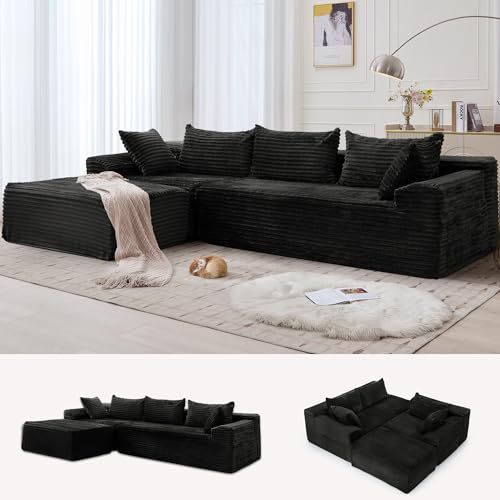


Choosing Ideal Seating and Tables
Focus on function and comfort. Measure spaces before selecting couches and chairs. For small areas, consider loveseats or modular sections. Large spaces benefit from sectionals that define zones. Choose upholstery that withstands wear, especially in high-traffic areas.
Table Selection Criteria
Match table height with seating. Coffee tables should be 1-2 inches lower than seat height. Ensure sufficient walking space around tables; a minimum of 30 inches is preferable. Opt for materials that blend durability with style, such as wood or metal with finishes that complement the overall aesthetic.
| Seating Type | Best For | Suggested Materials |
|---|---|---|
| Sofa | Comfort and relaxation | Leather, microfiber |
| Accent Chair | Style and additional seating | Fabric, rattan |
| Ottoman | Flexibility and storage | Foam, fabric |
| Coffee Table | Centerpiece and functionality | Wood, glass |
Always consider the visual connection between elements. Choose colors that create harmony or contrast, depending on your desired atmosphere. Layer textures to add depth. Finally, factor in maintenance–easy-to-clean materials ensure longevity and ease of care.
Determine Your Living Area Layout
The first step is to measure the dimensions of your space accurately. Use a tape measure to note the length, width, and height of each wall. Listing these measurements will help in visualizing how various pieces will fit together.
Next, consider the flow of movement. Identify entrances, pathways, and how people naturally navigate the environment. I often mark these areas clearly so they aren’t obstructed by larger items like couches or coffee tables.
Think about the focal point. Whether it’s a fireplace, large window, or entertainment system, aligning seating around this element creates a comfortable atmosphere. Arrange seating to facilitate conversation while facing each other rather than against walls.
I recommend sketching a floor plan. Use graph paper to create a scaled layout, placing squares to represent different elements like seating and tables. Experimenting with various configurations visually aids in understanding what combinations will work best.
Lastly, test your layout. Use painter’s tape to outline the dimensions of each item on the floor. This step allows for a tangible sense of space before committing to particular purchases, ensuring they harmoniously integrate into the defined area.
Choose a Style That Reflects Your Personality
Your personality should guide the aesthetic choices in your space. Select a theme that resonates with your character. If you lean towards minimalism, focus on sleek lines and a neutral palette. For those who appreciate coziness, opt for warm tones and soft textures.
Identify Your Aesthetic
Consider what styles draw you in. Do you prefer modern, rustic, bohemian, or classic designs? Create a mood board with images that inspire you. This visual collection clarifies your taste and helps in making cohesive choices.
Select Key Pieces
From your chosen aesthetic, pick standout elements that align with your style. A statement sofa, unique coffee table, or artistic accent chair can shape the vibe. Ensure each selection reflects your individuality and contributes to the overall harmony of the space.
Select the Right Color Scheme for Your Furniture
Opt for a neutral palette as a foundation. Shades like beige, gray, or soft white provide flexibility for accent colors and accessories. They create a serene backdrop that works with various decor styles.
Incorporate a secondary color that resonates with your personal style. Choose tones that harmonize with the primary color while adding visual interest. Soft blues or earthy greens complement neutrals exceptionally well.
Consider using a bold accent shade to add character. It could be a deep navy, rich burgundy, or a striking mustard. This vibrant color can appear in throw pillows, artwork, or a statement chair.
Take into account the natural light in your space. Lighter colors can brighten a dim area, while darker shades might suit a well-lit space. Test swatches in different lighting to see how they transform throughout the day.
Coordinate your selections with your existing elements. Look at the color of your walls, flooring, and larger appliances. Aim for a balanced look that ties every component together smoothly.
Lastly, don’t shy away from patterns. Incorporating patterned pieces–like a striped sofa or floral chairs–can introduce complexity. Ensure these patterns align with your chosen color scheme for cohesiveness.
Evaluate Comfort and Functionality
Prioritize the seating options you choose. I recommend testing sofas and armchairs for comfort by sitting on them for several minutes. Consider the depth and height of the cushions. A seat that is too deep might be uncomfortable for shorter individuals, while a seat that is overly firm can deter regular use.
Assessing Usability
Visualize how the space will be utilized. If you host gatherings frequently, ensure that the seating arrangement allows for conversation and movement. Consider the inclusion of versatile pieces like ottomans or sectional sofas that can adapt to different group sizes.
- Check for features like reclining options or built-in storage to enhance practicality.
- Assess the durability and maintenance needs of materials – leather may offer ease of cleaning, while fabric might provide more comfort but require regular upkeep.
Personal Experience
Reflect on your usual activities in your space. If you enjoy watching movies or reading, a comfortable chair with good back support alongside a spacious couch can enhance your experience. Additionally, include a coffee table that allows ease of access for snacks and drinks, ensuring that it fits the overall scale of surrounding pieces.
Ultimately, merging comfort with functionality leads to a more enjoyable and practical environment. The goal is to create a place that feels inviting and serves your daily lifestyle needs.
Consider Material Durability and Maintenance
Selecting the right materials for your seating and surfaces can significantly impact longevity and upkeep. I prefer furniture constructed from hardwoods like oak or maple, which offer superior durability over softer woods such as pine.
For upholstery, I often opt for synthetic fibers like polyester or nylon, known for their stain-resistance and strength. Natural fibers, while aesthetically pleasing, require more maintenance and may not withstand heavy use. If pets or children are part of your household, fabrics like microfibers or leather are practical choices due to their ease of cleaning.
Metal and glass accents are also appealing for their modern look and resistance to wear. However, I ensure that metal finishes are rust-resistant, especially in humid environments. Glass surfaces should be tempered for safety and durability.
Taking into account the weight of materials can also affect movement and arrangement, so I examine each piece’s construction. A well-made item will last longer and require fewer repairs, saving time and money in the long run.
Before making a decision, I read reviews on the durability of specific brands or materials, looking for firsthand experiences regarding wear and maintenance. This thorough approach ensures I choose items that not only look great but also serve their purpose effectively for years to come.
Set a Budget and Prioritize Key Pieces
Defining a financial limit is foundational. I recommend calculating all costs, including delivery and assembly fees. Allocate a percentage of your total budget for essential items, such as seating and tables, to ensure comfort and functionality. You might aim for 70% of your total expenditure on these key elements.
Identify Must-Have Items
Focus on core components that you cannot compromise. A comfortable sofa or a sturdy coffee table should be at the forefront. Research various options to find the best quality within your budget. If you’re drawn to a more expensive piece, consider waiting for sales or exploring second-hand options to balance your expenses.
Plan for Accessories Later
Leave room in your budget for decorative elements such as cushions, artwork, or rugs. These accents can enhance the space without requiring significant investment upfront. Once the primary items are in place, assess how to refresh and personalize the area economically. This approach prevents overspending while allowing for future adjustments.
Mix and Match Furniture for a Cohesive Look
Start with a statement piece. A bold sofa can be the anchor for your arrangement. Pair it with complementary chairs that feature different textures or colors, ensuring they still share a common element, such as a similar leg style or material.
Guidelines for Mixing
- Texture Variety: Combine smooth and textured materials. For instance, a leather couch works well with a knitted throw or a fabric accent chair.
- Color Coordination: Choose a color palette with a maximum of three to five shades. Use the main color for larger items and incorporate accent colors in smaller pieces.
- Scale Balance: Mix large and small elements. A big sectional can be balanced with a dainty side table or a slim console to prevent the space from feeling lopsided.
Styles That Work Together
- Contemporary with Vintage: Pair modern pieces with vintage finds, such as a sleek coffee table combined with an antique side table.
- Industrial and Soft: An industrial metal frame can complement soft, plush cushions, creating an inviting atmosphere.
- Minimalist and Eclectic: Use minimalistic designs as a backdrop for eclectic accessories or art pieces to create visual interest.
Consider functional items that can double as accents, such as a trunk that serves as both storage and a coffee table. This approach not only maximizes utility but also introduces diversity to the aesthetic.
Group items by height and style. Layering different heights creates depth and draws the eye across various elements. An ideal setup can feature tall bookshelves, medium-height tables, and low ottomans.


