
 Caleb Turner

Begin with a high-quality, self-leveling formula that flows smoothly, reducing the chances of uneven textures. Selecting a suitable type, such as a spray version or a roll-on product, provides a sleek and even appearance. I recommend testing a few different brands to find the one that gives you the best results without showing imperfections.
Before applying your chosen coating, preparing the area is key. Sand the surface lightly with fine-grit paper to ensure a good bond. Cleaning the surface thoroughly removes any dust or grease that could interfere with adhesion. I often use a microfiber cloth and a gentle cleaner to achieve a pristine foundation.


It’s essential to apply a thin layer in multiple coats. This approach allows each application to dry evenly and minimizes the likelihood of unsightly marks. I typically wait at least two hours between layers, checking the instructions for drying times specific to the formula I’m using.
Finally, maintaining a consistent application technique is crucial. A smooth, steady motion when rolling or spraying helps maintain an even layer. I find it helpful to work in small sections, gradually covering the entire area to keep everything uniform. Following these steps has transformed my projects, ensuring each piece looks professionally finished.
Applying Techniques for a Smooth Finish
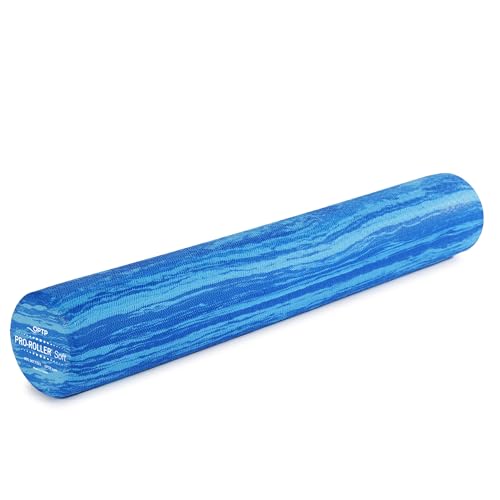
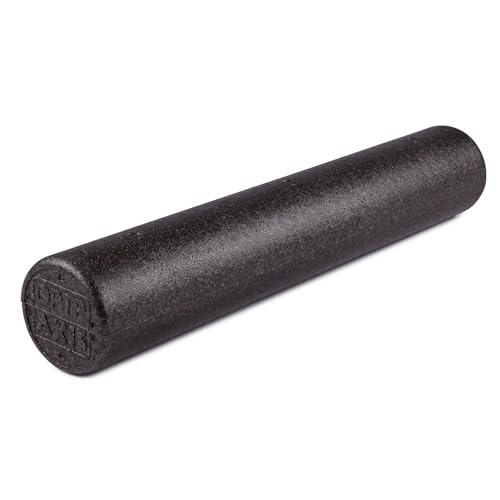
I recommend using a high-quality foam roller, which helps in achieving an even coat without the texture typically left by a traditional tool. The foam absorbs excess liquid while spreading the coating evenly, significantly minimizing imperfections.
Select a low-nap roller, ideally around 1/4 inch, as it provides sufficient coverage while ensuring a sleek application. Additionally, consistently maintain a wet edge while working through sections to prevent visible seams.
Consider adding a bit of water to the mixture if it’s not already a water-based formulation. This can enhance flow and leveling, aiding in the avoidance of uneven areas.
After each layer is applied, lightly sand the surface with fine-grit sandpaper once it dries to eliminate any tiny bumps or raised spots before the next coat. Wipe away any dust with a damp cloth to ensure a clean application.
I also suggest using a sprayer for larger surfaces. This method provides a flawless and uniform finish, although it requires some practice to master. Always do a test spray on a scrap piece or an inconspicuous area to fine-tune the settings before proceeding.
Lastly, patience is key. Allow ample drying time between coats, as rushing can lead to a less-than-perfect outcome. A little time goes a long way in achieving a professional, smooth appearance.
Choosing the Right Type of Paint for a Smooth Finish
Selecting the appropriate formulation significantly impacts the texture of the final outcome. For a sleek look, I prefer water-based acrylic or latex options. These are easy to handle and dry quickly, reducing the likelihood of imperfections.
- Acrylic Paint: This type offers excellent adhesion and flexibility, making it ideal for various surfaces. It dries to a durable finish that resists chipping.
- Chalk Paint: Known for its matte finish, this is great for achieving a vintage style. It often requires minimal prep work and can be easily distressed.
- Enamel Paint: This gives a hard, glossy finish that’s highly resilient. It’s perfect for pieces subjected to frequent use. Ensure proper ventilation during application as it can be quite potent.
- Spray Paint: For the smoothest application, this is my go-to. It covers evenly and dries quickly. I recommend using a primer beforehand for better results.
Testing different formulations on a scrap piece helps determine the most suitable product for the desired finish quality. Consider the sheen level: satin or semi-gloss tends to hide imperfections better than flat options. Also, evaluate the drying time; a fast-drying variety allows for quicker layering, minimizing the risk of marks.
Lastly, always read the product specifications. Some paints are engineered specifically to give an ultra-smooth surface and can be worth the investment if pristine results are a priority.
Preparing Your Furniture for a Flawless Application
Thorough cleaning is my first step. I remove all dust and grime using a solution of warm water and mild soap. A clean surface ensures adhesion and prevents imperfections.
Next, I inspect for any imperfections like scratches or dings. I fill these with wood filler, allowing it to set before sanding smooth. A flat, smooth surface is key for achieving an even coat.
I then sand the entire piece lightly using fine-grit sandpaper. This step creates a slight texture for better bonding. After sanding, I wipe down with a damp cloth to eliminate dust particles.
If the item has a glossy finish, a stronger solution, like a deglosser, might be necessary. This enhances the surface, allowing new products to adhere appropriately.
I always use painter’s tape to mask off areas that should remain untouched, ensuring a neat line. Precision during this phase is crucial to avoid any unwanted marks.
Lastly, giving the piece a good primer coat minimizes the risk of imperfections and improves the longevity of the finish. Adequate preparation lays the groundwork for stunning results.
Selecting the Best Tools for Painting Without Streaks
I recommend using high-density foam rollers. These rollers offer smooth application and minimize texture, significantly reducing the occurrence of unsightly marks. Choose a size that suits your project; larger ones cover more area quickly, while smaller ones allow for precision in tight spots.
Quality Brushes and Applicators
If you prefer using brushes, select those crafted with synthetic bristles. These provide a consistent finish and retain fewer fibers, ensuring a neater outcome. Consider angled brushes for corners and detailed work; they allow for controlled application and eliminate the risk of mishaps.
<h3.Tool Maintenance
Proper cleaning and maintenance prolong the life of your tools and improve results. After each session, clean rollers and brushes thoroughly, removing all paint. Storing them in a sealed bag or container prevents drying out, ensuring they’re ready for flawless use next time.
Using a Spray Gun for Even Coverage
I recommend using a spray gun for applying a smooth finish to surfaces. This method significantly reduces the risk of visible imperfections compared to traditional rollers or applicators. Here are essential steps to achieve outstanding results:
- Select the Right Spray Gun: Choose between airless or HVLP (High Volume Low Pressure) options based on your comfort level and the size of the project. HVLP is ideal for detailed work, while airless guns cover large areas quickly.
- Adjust Settings: Fine-tune the pressure and fluid settings to control the output. Practice on cardboard or a scrap piece until you find the optimal configuration.
- Thin the Coating: Follow manufacturer guidelines for thinning products, ensuring fluidity for an even spray. This step is crucial for avoiding clogs and achieving a fine mist.
- Maintain Distance: Keep a consistent distance of about 6-12 inches between the nozzle and the surface. This helps distribute the coating evenly without pooling.
- Use Overlapping Strokes: Move the spray gun in a steady motion, slightly overlapping each pass. This technique diminishes the risk of uneven thickness and creates a flawless layer.
- Apply Multiple Coats: A single layer may not provide the desired finish. Allow proper drying time between coats, following product recommendations carefully.
After finishing, clean the equipment thoroughly to prevent residue build-up, ensuring its longevity for future projects. Experimenting with various techniques and adjustments will result in a beautifully smooth surface that stands out.
Applying Thin Layers to Avoid Brush Strokes
I recommend working with thin coats for a flawless finish. Each layer should be applied sparingly to prevent clumping and running. Using a high-quality product designed for your surface will contribute to a smooth application. Aim for a consistency that allows it to glide effortlessly over the surface while drying. Multiple thin applications yield better results than one thick layer.
Between coats, ensure ample drying time based on the manufacturer’s instructions. This practice prevents lifting or uneven texture when applying the subsequent layer. Light sanding with fine-grit paper between applications can enhance adhesion and promote a seamless transition.
An excellent technique is to apply each coat in a consistent direction, which helps maintain an even appearance. If using a sprayer, it’s crucial to keep the distance consistent for uniform coverage, reducing the likelihood of unsightly marks. For manual application, maintain a steady hand, and use overlapping strokes lightly to distribute evenly the product.
Lastly, don’t rush the process. Taking the time to build up layers gradually allows for better control and a more refined look that embodies professionalism without the hassle of visible imperfections.
Timing Between Coats for Optimal Results
I recommend waiting at least 2 to 4 hours between layers, depending on the ambient temperature and humidity levels. Cooler, more humid environments will require a longer drying time, while warmer, drier conditions may allow for quicker application. Testing the surface with a light touch will help you determine if it’s adequately cured.
Monitoring Surface Touch
When I feel the surface and it’s slightly tacky but not wet, I proceed with the next coat. If it’s still sticky, I allow more time. Being patient pays off; rushing can lead to imperfections.
Final Coat Considerations
For the last layer, I suggest extending the waiting time to 24 hours before any additional handling or moving. This ensures a durable finish that avoids damage from everyday use. Observing these intervals significantly contributes to a flawless and polished outcome.
Finishing Techniques to Achieve a Professional Look
Utilizing a high-quality topcoat can significantly enhance the final appearance. Opt for finishes that are specifically designed to provide durability and a smooth surface. Consider satin or semi-gloss options based on the desired level of sheen.
An effective technique is to sand between coats. I recommend using 320-grit sandpaper for this task; it helps to eliminate imperfections and improve adhesion of subsequent layers. Be sure to clean any dust with a tack cloth before applying additional coats.
If you’re utilizing a spray application, ensure optimal airflow in your workspace. A well-ventilated area minimizes dust particles settling on the freshly applied finish. Maintain a consistent distance from the surface–about 8 to 12 inches is generally ideal–to promote an even delivery of the finish.
Temperature and humidity play a significant role. A controlled environment, ideally around 70°F (21°C) and a humidity level below 50%, promotes better drying conditions. This will help you avoid imperfections such as bubbling or streaking.
Timing is crucial. Allow each layer to cure fully according to manufacturer recommendations, which can vary by product. This ensures a firm foundation for the next coat and improves the overall durability of the finish.
| Technique | Details |
|---|---|
| Topcoat Selection | Choose satin or semi-gloss for durability and aesthetic appeal. |
| Sanding Between Coats | Use 320-grit sandpaper to smooth the surface; clean with a tack cloth after. |
| Work Environment | Ensure good ventilation; maintain a distance of 8-12 inches when spraying. |
| Temperature & Humidity | Aim for 70°F and less than 50% humidity for optimal drying. |
| Curing Time | Follow manufacturer’s directions for curing times to ensure adhesion. |
Common Mistakes to Avoid When Painting Furniture
Skipping surface preparation is a frequent misstep. Sanding removes imperfections and helps the coating adhere better. I always ensure the piece is clean and smooth before applying any finish.
Choosing the wrong finish can lead to unsatisfactory results. I prefer semi-gloss or satin options, as they help disguise minor flaws while providing a sleek appearance. Glossy finishes can exacerbate imperfections.
Applying too thick a layer can cause drips and uneven surfaces. Multiple thin applications yield better results. I consistently apply a light coat, allowing for even coverage and quicker drying times.
Ignoring drying times can ruin the project. I always adhere to the manufacturer’s recommendations between each coat. Rushing this process may result in tackiness or lifting of the previous layer.
Failing to protect areas I don’t want coated is another common error. I use painter’s tape diligently to mask off edges, ensuring clean lines and avoiding unwanted marks on adjacent surfaces.
Neglecting to check for temperature and humidity can affect the outcome. I make sure to paint in suitable conditions, as excessive moisture or temperature extremes can lead to poor adhesion and finish quality.
Using unsuitable tools leads to inconsistent finishes. I stick to high-quality rollers or spray equipment that provide smooth application. Brushes can sometimes leave unsightly marks if not used properly.
Omitting a final protective layer can diminish the durability of the finish. I always apply a clear coat or sealant to enhance longevity and resist wear and tear, giving my piece a professional touch.
Caring for Painted Furniture to Maintain Its Appearance
Regularly dust the surface with a soft microfiber cloth to prevent the buildup of dirt and grime that can dull the finish.
Use a mixture of mild soap and water for cleaning, avoiding abrasive cleaners that can scratch the surface. A soft sponge is ideal for this task.
Immediately wipe up spills to prevent stains from setting. For stubborn stains, a gentle solution of baking soda and water can effectively lift them without damaging the coating.
Apply a protective topcoat every few years to enhance durability and shine. Products like polyurethane or clear acrylic can offer the necessary defense against scratches.
Keep painted items out of direct sunlight to minimize fading and discoloration over time.
Avoid placing heavy or sharp objects directly on the surface, as this can lead to dents and chips. Employ coasters and mats to promote longevity.
Consider using furniture polish designed for painted surfaces to restore luster while offering an extra layer of protection against moisture.
Finally, inspect your pieces periodically for any signs of wear and touch up areas as necessary to maintain a seamless appearance.
FAQ:
What kind of paint should I choose to avoid brush strokes?
Choosing the right paint is crucial for achieving a brush-stroke-free finish. Look for paints specifically designed for furniture, as these often have a smoother consistency. Alkyd or oil-based paints are known for their leveling properties, meaning they settle nicely as they dry. Latex paints are also an option, but for the best results, select a high-quality brand with a creamy texture. Some brands even offer self-leveling paint designed to minimize brush strokes. Checking product reviews and recommendations can guide you in selecting the most appropriate paint for your project.
Can I use a traditional paintbrush to avoid brush strokes?
While it’s possible to use a traditional paintbrush, it requires careful technique to avoid brush strokes. If you choose this method, opt for a high-quality synthetic brush, as natural bristles can leave more marks. To reduce the likelihood of strokes, use the “tip-off” technique, where you lightly drag the brush over the painted surface to smooth out any imperfections after applying paint. It’s important to apply thin coats and avoid overworking the wet paint, as this can enhance brush marks. If you’re experienced with brush painting and follow these tips, you can achieve satisfactory results.
Is it necessary to prep my furniture before painting to avoid brush strokes?
Prepping your furniture is a crucial step if you want to achieve a flawless finish without brush strokes. Start by cleaning the surface to remove any dust, grease, or old paints that may interfere with adhesion. Lightly sanding the surface can help create a smoother area for the paint to adhere to, which can also help reduce the appearance of brush strokes. After sanding, it’s advisable to wipe the furniture with a damp cloth to remove any sanding dust before painting. Proper preparation not only improves the end result but also ensures the longevity of your paint job.
What techniques can be used to prevent brush strokes when painting furniture?
To avoid brush strokes while painting furniture, several techniques can be helpful. First, choose a high-quality paint specifically designed for furniture; these often have formulations that minimize brush marks. Second, use a foam roller instead of a brush, as rollers typically provide a smoother application. Additionally, consider applying paint in thin layers; this not only helps in reducing strokes but also allows for quicker drying and easier sanding between coats for an ultra-smooth finish. Finally, always make sure to sand the furniture properly before painting to create a uniform surface that enhances adhesion and finishes beautifully.


