
 Caleb Turner
Begin with proper planning. Measure both the object and the stairway to ensure a good fit, allowing for clearance around corners and railings. This initial step can save you from unexpected challenges during the actual lift.
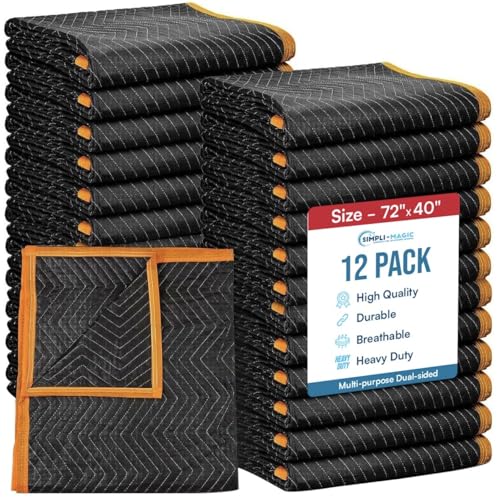
Next, gather the right tools. A dolly or furniture straps is invaluable for enhancing your leverage. These tools streamline the process, making it far more manageable. Use moving blankets to protect surfaces and minimize damage.
Proper body mechanics play a significant role. Bend your knees and keep your back straight while lifting, using your legs to push up. Keep the item close to your body to maintain balance. This method minimizes strain on your muscles and prevents injury.
Utilize the stair railing if available. It provides additional support as you guide the object upwards. Lead with the bottom end of the item and pivot carefully on each step, ensuring stability before making the next move.


Finally, pace yourself. Taking breaks is essential for both physical stamina and focus. Moving a significant piece can be exhausting, and staying alert will help prevent accidents and ensure a successful transition.
Essential Techniques for Lifting and Relocating Bulky Objects to Higher Levels
Utilize a dolly with straps for stability if you aim to transport significant items. Secure the piece tightly, ensuring it won’t shift during the ascent.
Leverage Weight Distribution
Shift your center of gravity by tilting the load slightly towards your body. This technique helps maintain balance and reduces the strain during the climb. Position yourself in a way that aligns your core strength with the weight you’re handling.
Utilize Tools for Assistance
A pair of moving sliders can simplify the journey. Place these under each corner to glide the item smoothly across surfaces, minimizing friction. If there’s a staircase with landings, consider using rope or a harness system to secure the item while you navigate changes in elevation.
Assessing the Furniture and Stairs Before You Start
Begin by examining the item for any disassemblable parts. Removing legs, cushions, or other components can significantly reduce weight and simplify the ascent.
Next, take precise measurements of the object and the staircase. Ensure that the dimensions of the piece will fit comfortably through doorways and around corners. Pay special attention to the width and height of the stairs, as well as any landings or turns that might pose challenges.
Check the stairwell’s surface. Wood, carpet, or tile can affect traction. Consider placing a piece of non-slip material at the base or using a blanket for extra grip. This approach minimizes the risk of slipping during the process.
Inspect the stair rails as well. If they’re sturdy, they can assist in balancing while navigating the ascent. If possible, position a stable object nearby to help control the object as I move it.
Finally, assess my physical readiness. Understanding my own limits enhances safety during the undertaking. If the item feels beyond my strength capacity, it might be prudent to seek additional help.
Gathering the Right Tools and Equipment
Investing in the right tools markedly reduces strain and enhances control during the lifting process. Begin with a sturdy hand truck or furniture dolly, designed for transporting bulky objects. Ensure it has robust straps to secure the load and large wheels for easy maneuverability over steps.
Additional Supportive Gear
Consider purchasing lifting straps designed for heavy items. These straps distribute weight more evenly and minimize the risk of injury. If available, enlist the help of corner protectors to safeguard walls and corners from damage. A tape measure is also necessary to guarantee items fit through doorways and around turns.
Safety Equipment
Don’t overlook personal safety gear. Wear gloves for a better grip and protection against sharp edges. Steel-toed shoes provide added support and safeguard feet. A back support belt can aid in maintaining proper posture and minimizing strain during lifting.
With these tools, I’ve found it easier to handle the challenges of elevating significant items. These preparations enable a more controlled, safer approach to tackling those steep flights.
Preparing the Pathway and Clearing Obstacles
I ensure that the path I need to take is clear of any items that might hinder my progress. I move aside shoes, toys, and any other clutter that could potentially obstruct my movement or lead to a fall.
I check the width of doorways and hallways, measuring with a tape to confirm that they accommodate the size of the piece I’m handling. If necessary, removing the doors from hinges gives me extra space and simplifies the process.
Removing rugs or mats is crucial. They can slide or bunch up underfoot, which increases the risk of losing my balance. I also inspect the stairs for uneven spots or cracks that could pose a hazard.
Next, I properly position the object in a way that allows for easy lifting. Placing it close to the bottom of the stairs lets me pick it up and begin the ascent without an awkward maneuver. If applicable, I remove any loose parts that may add extra weight or could be damaged in transit.
I make it a habit to communicate with anyone present, alerting them to my actions. If they’re nearby, they can help by holding doors open or adjusting their position to offer assistance.
Using Proper Lifting Techniques to Avoid Injury
I rely on a few key lifting techniques to prevent injuries when handling bulky items. Always keep your feet shoulder-width apart for stability. This position provides a solid base, reducing the risk of losing balance.
Engage your core before lifting. A strong core helps protect the back, ensuring I maintain proper posture throughout the process. I bend at the knees instead of the waist, keeping the item close to my body. This approach minimizes strain on my spine and distributes weight evenly.
Use Your Legs
When lifting, I push up with my legs rather than pulling up with my back. This technique maximizes my strength and minimizes the load on my back muscles. I focus on the movement starting from my legs, which are generally stronger and better equipped for lifting tasks.
Move Smoothly
I avoid twisting or jerking motions while carrying a load. Instead, I pivot my feet to change direction, maintaining stability and preventing sudden strain. Keeping the path clear helps facilitate smooth movements and reduces the likelihood of accidents.
To further safeguard against injury, I take breaks if I feel fatigued during the process, allowing my muscles time to recover. These techniques have proven invaluable in ensuring safe handling of bulky items, enabling me to work efficiently and without setbacks.
Strategies for Navigating Tight Spaces and Corners
Approaching tight spaces requires a detailed plan. The first step is to carefully measure both the object and the dimensions of the hallway or stairwell. This ensures that every movement is calculated.
Diagonals are Key
When dealing with narrow corridors, angle the item diagonally to minimize width. This technique often allows for easier passage around corners. In my experience, rotating the piece as I approach the bend aids significantly in fitting it through snug areas.
Utilize Sliding Techniques
If the item permits, sliding it along the wall can be beneficial. Use a blanket or moving pad between the object and the wall to prevent damage. This method helps to maintain control while pushing through tighter zones.
| Technique | Description | Advantages |
|---|---|---|
| Diagonal Positioning | Angle the item to fit through narrow spaces. | Reduces the width, making it easier to pass through corners. |
| Sliding Along the Wall | Support the item against the wall while moving it. | Minimizes risk of scratches or damage; maintains control. |
| Two-Person Technique | If possible, enlist help at difficult turns. | Additional guidance at corners; improves stability. |
In tight corners, envision the path ahead, shifting the weight as necessary. Practicing these approaches will reduce the potential stress of maneuvering bulky items through challenging areas.
Utilizing Furniture Sliders and Ramps for Assistance
To simplify the process, I employ furniture sliders under the legs or edges of bulky items. These inexpensive tools reduce friction, making it easier to glide pieces across surfaces, including approaches to staircases. They work best on smooth flooring, making transitions seamless.
- Identify the best placement for each slider; I usually put them under corners or heavy points for stability.
- If navigating carpeted areas, consider sliders specifically designed for that surface to ensure effective movement.
For scenarios with stairs, deploying ramps can significantly aid in lifting and lowering. Constructing a ramp using sturdy boards offers a secure path for wheeled items.
- The incline should be gentle; a slope of no more than 30 degrees is advisable to prevent items from rolling off or becoming unmanageable.
- Secure the ramp to prevent slipping during use; temporary clamps or weights can keep it stable.
When utilizing both sliders and ramps, plan your route meticulously. Consider the dimensions of your items in relation to the ramp width to verify compatibility. By integrating these tools, I enhance safety and efficiency in the relocation process.
Ensuring Safety and Stability During the Move
Before engaging in this task, securing personal safety and maintaining balance is non-negotiable. Firstly, I ensure to wear appropriate footwear with a non-slip sole. This type of footwear significantly reduces the risk of slipping while handling bulky items.
Next, I regularly check for any potential hazards on pathways, which includes loose rugs, clutter, or any debris. Clearing these hazards not only facilitates easier handling but also diminishes the chances of accidents.
During the lift, I maintain control of my center of gravity. Positioning myself strategically and keeping the load close to my body greatly enhances stability. Bending at the knees instead of the back while lifting is fundamental for protecting my spine.
Utilizing proper grip on the item is critical. I keep my hands dry to prevent slipping, and wrapping arms around the piece helps in securing it firmly. If the weight feels unmanageable, taking a moment to reposition myself or reassess the situation is advisable.
In some cases, enlisting the help of a friend or neighbor, even temporarily, can add an extra layer of safety. They can assist by stabilizing or guiding while I navigate each step.
When handling large and awkward objects, using a harness or straps is beneficial. These tools help distribute weight evenly, allowing for enhanced control. If opting for this method, I make sure to secure everything tightly to avoid shifting during the ascent.
Periodically taking breaks to rest is important. Long periods of handling can lead to fatigue, which may compromise stability. These moments also allow time to reevaluate the process and ensure everything remains safe.
Ultimately, careful planning and consideration of safety measures throughout the endeavor will lead to a successful and secure transition of bulky items to their new location.


