
 Caleb Turner
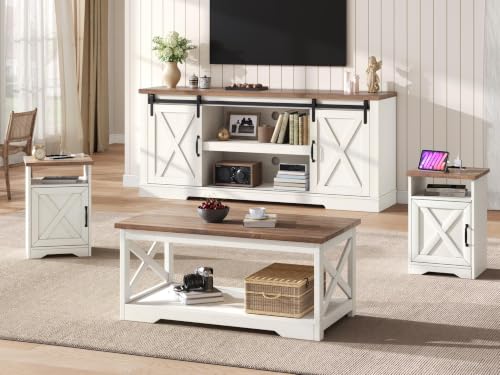
Choose a cohesive color palette to establish a harmonious feel throughout the area. I like to select a base color and then layer complementary shades or patterns for visual interest.
Incorporating a variety of textures adds depth. For example, I combine sleek leather with soft textiles or wooden accents to create a balanced aesthetic. This contrast not only enhances comfort but also invites curiosity.


Consider scale and proportion carefully. Large upholstered items can dominate a space, so I opt for smaller accent pieces or low-profile tables to maintain an open atmosphere, ensuring that each element contributes to the flow.
Mixing styles can yield surprising results. I often pair contemporary lines with vintage finds, allowing each piece to tell its unique story while fostering an atmosphere that feels both curated and personal.
Don’t shy away from a bold statement piece. One distinctive item, such as a colorful chair or an artistic lamp, can serve as a focal point, drawing the eye and infusing character into the arrangement.
Lastly, keep functionality in mind. I prioritize practicality by selecting versatile elements that accommodate daily life, ensuring the space is as livable as it is aesthetically pleasing.
Creative Approaches for Combining Seating and Surfaces
Select a dominant piece, such as a large sectional or an eye-catching coffee table, to anchor the space. This element will set the tone and indicate the general style.
<p.Incorporate a mix of textures; pairing a plush sofa with a sleek metal coffee table creates striking visual contrast. Layering textiles like woven throw pillows and a soft rug enhances the depth of the area.
<p.Variability in design eras adds character. I often blend contemporary chairs with vintage accents, providing a personal narrative to the design while avoiding a uniform look.
<p.Color coordination matters; choose a unified palette across diverse pieces to maintain cohesion. A few items in the same hue connect the assortment visually, even when styles differ.
<p.Be mindful of scale. Pair a large sofa with smaller accent chairs to prevent overcrowding while ensuring comfort. Balance can be achieved by contrasting large and small elements effectively.
<p.Lighting plays a key role. Select diverse light sources–like a modern floor lamp alongside vintage table lamps–to establish layers and enhance the ambiance.
<p.Don’t shy away from embracing different shapes. Round tables and square sofas create interesting dynamics. These variations draw the eye and keep the atmosphere engaging.
Choosing a Color Palette for Your Living Area
Begin with a foundational hue. Neutrals such as beige, gray, or taupe can serve as a backdrop, allowing accent tones to stand out. These shades provide versatility and allow various textures to shine.
Incorporate a secondary color to add depth. Consider using shades inspired by nature, such as soft greens or warm browns. These tones can create a calming atmosphere and work harmoniously with the neutral base.
Add an accent color for a touch of personality. Bold choices like deep blue, mustard yellow, or rich burgundy can inject energy into the space. Use this color sparingly on select pieces like cushions, art, or decorative objects.
Consider the mood you wish to evoke:
- Warm tones (reds, oranges) create a cozy feel.
- Cool colors (blues, greens) promote tranquility.
- Bright colors (yellows, pinks) energize and uplift.
Experiment with a color wheel to find complementary shades. Opposites attract; pairing colors like blue with orange can result in striking contrasts that please the eye.
Keep lighting in mind. Natural and artificial light can alter how colors appear, so test small swatches in different areas to see how they interact with the brightness of the space.
Ensure harmony by repeating colors throughout the area. A cohesive look is achieved by strategically placing the chosen hues across various elements, such as textiles, artwork, and small decor items.
Don’t hesitate to incorporate patterns and textures. Mixing different materials, such as wood, metal, and fabric can add visual interest without overwhelming the chosen palette.
Understanding Furniture Styles and Their Combinations
Choose a primary design theme to anchor your selections. Popular styles include modern, traditional, rustic, and eclectic. Each has distinct characteristics that influence the overall ambiance.
For a modern touch, opt for clean lines, minimal ornamentation, and neutral tones. Complement with organic shapes in seating or tables to soften the look. Pairing a sleek leather sofa with a round wooden coffee table can achieve this balance.
Contrasting Elements
Incorporate contrasting designs to add depth. A vintage accent chair can enhance a contemporary sectional. This juxtaposition highlights the uniqueness of each piece, creating a focal point.
Be mindful of materials; mixing metal with wood can establish a dynamic interplay. An iron base table contrasting with a reclaimed wood top can serve as an intriguing centerpiece.
Patterns and Textures
Utilize fabrics strategically to enrich the space. If one element is patterned, such as a vividly printed rug, ensure other textiles are solid to avoid overwhelming the senses. Textured cushions or throws can introduce a tactile element without clashing with dominant styles.
Experimenting with different styles fosters individuality. Personal expression through curated pieces offers comfort while remaining aesthetically pleasing. It’s about finding harmony in diversity.
Layering Textures in Furniture Selection
To achieve depth in your space, combine varied materials like wood, metal, fabric, and glass. For instance, pairing a plush velvet couch with a sleek wooden coffee table can create visual contrast.
Consider introducing accessories with different finishes. A knitted throw on a leather chair adds warmth, while decorative cushions in various fabrics can enhance comfort and visual interest.
Incorporate woven elements, such as a rattan side chair or a jute rug, to introduce organic textures. This can offer a grounding effect amidst more polished surfaces.
Utilize color and texture together effectively. A soft area rug underfoot can anchor a room, while textured wall art can draw the eye upwards, balancing the surroundings. This approach creates a cohesive yet dynamic atmosphere.
To maintain harmony, limit the number of dominant textures to three or four. This prevents overwhelming the space while allowing each piece to shine. Below is a helpful guide:
| Texture Type | Example | Recommended Pairing |
|---|---|---|
| Wood | Walnut Coffee Table | Soft Fabric Sofa |
| Metal | Brass Floor Lamp | Knitted Textiles |
| Fabric | Velvet Cushions | Leather Chair |
| Glass | Clear Accent Table | Woven Basket |
By thoughtfully layering textures, I can create a welcoming atmosphere that reflects personal style while maintaining balance and cohesiveness.
Balancing Scale and Proportions of Furniture Pieces
To achieve harmony with various elements, focus on the proportions of each item. Select larger pieces such as sectional sofas or substantial armchairs to anchor the space, paired with smaller accessories like accent tables or ottomans. This contrast helps to avoid a cramped appearance.
Height Variation
Incorporate items of varying heights to create visual interest. For instance, position a tall bookcase next to a low-profile coffee table. Layering heights draws the eye across the area, enhancing the overall aesthetic without overcrowding.
Visual Weight Distribution
Distribute visual weight evenly throughout the setup. If a dominant piece, like a heavy wooden cabinet, is present, balance it with lighter elements such as glass or metal accents. This technique provides equilibrium, ensuring no single area feels excessively heavy or overwhelming.
Incorporating Patterns without Overwhelming the Space
Introduce patterns through accessories like cushions, throws, or art to maintain balance without cluttering the atmosphere. Choose one or two dominant patterns to anchor the space, allowing secondary prints to support rather than compete.
Guidelines for Implementing Patterns
- Limit the dominant patterns to one or two types, ensuring cohesion in design.
- Integrate smaller, subtler patterns on secondary elements to create visual interest without chaos.
- Utilize a unifying color scheme across various patterns to maintain harmony.
- Incorporate geometric prints for a contemporary look while ensuring softer textures balance their sharpness.
Strategic Placement of Patterned Pieces
- Position bold patterns in focal areas, like a statement chair or rug, to draw attention.
- Spread smaller patterns throughout the space to create a rhythmic flow without overwhelming eyes.
- Ensure mixed patterns share at least one color for cohesive integration.
By carefully selecting and positioning patterned elements, it’s possible to achieve a lively yet harmonious ambience. This attention to detail transforms the atmosphere into a well-composed environment.
Utilizing Accent Pieces to Tie the Room Together
Incorporating unique accent pieces can anchor a space while adding character. Start with a statement item, such as an oversized artwork or a bold sculpture. This creates a focal point that draws the eye and serves as inspiration for additional decor choices.
Color Cohesion
Choose accent items that reflect the color palette you’ve selected. If your primary shades are neutral, consider throws, cushions, or vases in vibrant colors to create visual interest. This strategy not only ties disparate elements together but also introduces depth to the overall aesthetic.
Layering and Placement
Strategic placement of smaller accents can enhance the aesthetic unity. Position them at various heights on shelves, tables, or mantels. This layering approach adds dimension while guiding the viewer’s eye throughout the area. Rotate and experiment with these pieces until a harmonious balance is achieved.
Arranging Furniture for Optimal Flow and Functionality
Prioritize clear pathways between different areas. Create a seamless transition from entrance to seating or entertainment zones, ensuring at least 18 inches of space to avoid crowded spots. I focus on the natural traffic patterns observed in a space, positioning larger pieces like sofas against walls while leaving space for smaller items such as side tables or chairs. This encourages movement without obstruction.
Defining Activity Zones
Identify distinct areas by grouping items based on their purpose. For conversation, I cluster seating in a circular or semi-circular formation, promoting interaction. Combine multi-functional elements, like ottomans that provide extra seating and storage. This versatility not only enhances utility but also maintains an uncluttered look.
Achieving Balance with Arrangement
Consider distributing weight visually across the space. I avoid heavy items congregating in one corner, balancing them with lighter elements. If a large sectional occupies one side, I might place a slim console table or airy shelving across from it. This symmetry creates visual harmony, guiding the eye effortlessly around the area.
Regularly reassess and adjust the layout as needs evolve. Flexibility in arrangement allows the area to adapt to any occasion, whether for cozy gatherings or larger celebrations.
Choosing the Right Lighting for Different Furniture Styles
Consider the overall aesthetic when selecting illuminations. A mid-century modern setup benefits from sleek, geometric lamps that reflect clean lines. Aim for materials like brass or wood that complement the retro vibe.
Industrial Themes
For an industrial look, opt for exposed bulb fixtures or metal pendant lights. These elements enhance the raw, rugged character while providing adequate brightness. Incorporate warm-toned bulbs to soften the harsher aspects of the design.
Traditional Settings
In a classic environment, chandeliers or ornate table lamps shine. Crystal and detailed fabrics resonate with traditional decor, creating a warm, inviting atmosphere. Choose soft white bulbs to enhance colors without overwhelming the space.
Ultimately, harmonizing illumination with style enhances the entire ambiance. Tailor your selections to reflect personal taste while ensuring functionality for each distinct area.
Personalizing Your Space with Artwork and Decor
Select pieces that resonate with your personality. Unique artwork, whether it’s original paintings, prints, or photographs, can anchor your aesthetic and communicate your style. I prefer mixing varying sizes of art for a dynamic arrangement that draws attention.
<p Incorporate decorative items that reflect your interests. Sculptures, vases, and artisan crafts introduce individuality and can serve as conversation starters. I often choose a few standout items instead of cluttering surfaces, maintaining visual clarity.
Utilize the wall space effectively. Gallery walls or shelves with curated collections add character while maximizing vertical space. I like to combine frames or decor styles to keep it playful while ensuring everything feels cohesive.
Textiles such as throws, cushions, and rugs can add warmth and comfort. Opt for colors and patterns that harmonize with your selected art to create a cohesive look. Layering different fabrics can also enhance the tactile experience of the area.
Lighting is crucial in highlighting artwork and decor. Warm-toned lights can create an inviting ambiance, while spotlights or sconces can emphasize particular pieces. I often use dimmable fixtures to adjust the mood according to the time of day.
Regularly update your decor. Rotating artwork or accent pieces keeps the space feeling fresh without needing a complete overhaul. I change the arrangement seasonally or when inspiration strikes, which makes the environment feel alive and personal.


