Caleb Turner
I always recommend cleaning regularly with a soft brush and a mixture of mild soap and water. This combination effectively removes dirt and grime without causing damage. Be sure to rinse thoroughly to avoid soap residue.
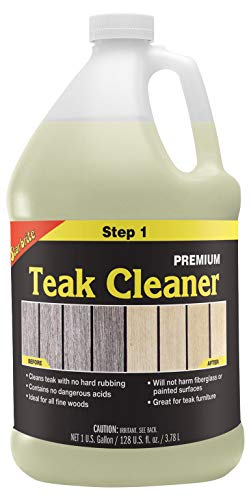
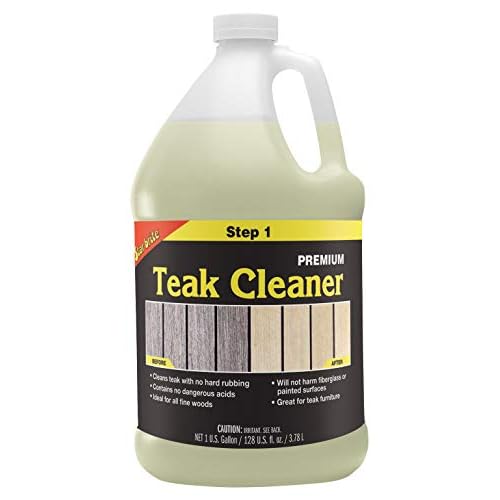
For a deeper clean, using a specialized teak cleaner can be beneficial. Apply it according to the manufacturer’s instructions, and ensure you work in a well-ventilated area. This will help restore the natural beauty and color of the wood, especially if it has started to gray over time.
Conditioning is another key aspect. A quality teak oil or sealer can help preserve the rich tones and protect against the elements. Apply it every few months for maximum protection and visual appeal. Make sure to wipe away any excess oil to prevent sticky residues.


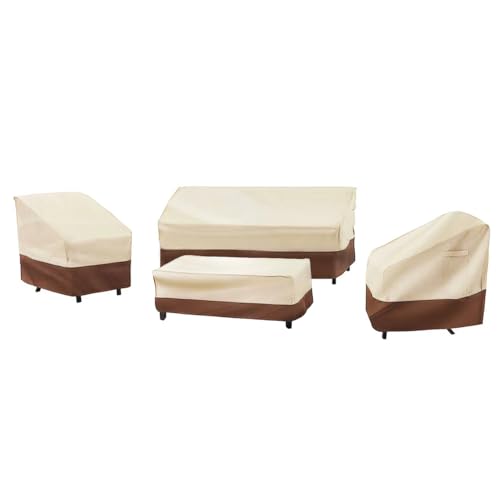
Additionally, consider protecting your outdoor seating with covers during inclement weather or when not in use. This simple step can greatly extend the lifespan and maintain the aesthetics of your wood seating.
Care for Your Outdoor Wooden Pieces
Regularly apply a protective oil to enhance the natural beauty and longevity of your pieces. I suggest teak oil or similar products specifically formulated for outdoor wooden items. This helps maintain their rich color and prevent drying out.
To clean, utilize a soft brush or cloth with a mild soap solution. Rinse with fresh water afterward. For stubborn stains or mildew, a mixture of vinegar and water can be effective.
- Avoid harsh chemicals that can damage the wood finish.
- Keep items covered during harsh weather or store them indoors in extreme conditions.
- Inspect for any signs of wear, such as splintering or loose joints, and address these issues promptly.
For deep cleaning, you might consider using a power washer on a low setting, but ensure to follow up with oiling afterward to prevent moisture absorption.
At the end of the season, before storage, ensure everything is clean and dry to avoid mold growth. A light sanding can rejuvenate the surface if it appears dull.
Understanding Teak Wood Properties
Choosing high-quality hardwood for outdoor structures proves advantageous due to its natural resistance to environmental factors. This type of timber contains a unique oil that acts as a protective barrier against moisture, preventing warping and decay. Such resilience extends its lifespan significantly compared to other materials.
Acoustic and visual appeal is another benefit. The rich, golden-brown hue of this wood adds a sophisticated touch to any external area. Over time, exposure to sunlight will result in a silver-gray patina, which many appreciate for its aesthetic value.
Working with this material is manageable since it contains a fine, straight grain making it easy to shape and finish according to individual preferences. It glues effectively and accepts stains and finishes well, allowing personalization options.
Due to its density, this wood remains durable and withstands everyday wear and tear with ease. This strength ensures longevity, even under heavy use. Additionally, it is resistant to pests like termites, which commonly damage other types of wood.
Understanding these characteristics aids in making informed choices regarding care methods and aesthetic preferences, ensuring a beautiful exterior space for years to come.
Regular Cleaning Techniques for Teak Furniture
Begin with a soft-bristle brush or a damp microfiber cloth to gently remove dust and debris from surfaces. Avoid abrasive materials that can scratch the wood.
Wash with Mild Soap
A mixture of warm water and a few drops of mild dish soap can be used for deeper cleaning. Apply the solution with a sponge, ensuring to scrub in the direction of the grain. Rinse thoroughly with clean water to avoid any soap residue.
Stain Removal
For stubborn stains, a paste made from baking soda and water can work wonders. Apply it to the stain, let it sit for a few minutes, then scrub gently with a cloth. Wipe clean with a damp cloth afterward.
After cleaning, ensure the surfaces dry completely to prevent moisture buildup. Regular attention to these cleaning methods helps preserve the natural beauty and longevity of the wood.
Choosing the Right Cleaning Products
For optimal care, I select mild, pH-balanced cleaners specifically designed for natural wood surfaces. These products prevent damage and preserve the integrity of the grain.
Recommended Cleaning Ingredients
Always opt for the following components when cleaning:
| Cleaning Agent | Purpose |
|---|---|
| Castile Soap | Gentle cleaning without harsh chemicals. |
| White Vinegar | Natural disinfectant that removes grime and mildew. |
| Olive Oil | Polishes and nurtures, enhancing natural luster. |
| Hydrogen Peroxide | Effective mold and mildew remover. |
Avoiding Harmful Substances
Steer clear of bleach or ammonia-based cleaners, as they can strip color and damage the finish. Products containing silicone or petroleum can lead to a slippery surface and should also be avoided.
Lastly, always read labels to ensure compatibility with wooden elements. This careful selection keeps my outdoor assets looking pristine and extends their lifespan significantly.
Protecting Teak from UV Damage
Applying a high-quality UV protective sealant is crucial. This creates a barrier against harmful rays, helping to preserve the natural beauty and color of the wood. Reapply this sealant every six months for optimal results.
Shade and Shelter Options
Use umbrellas or canopies to limit direct sunlight exposure. Positioning your outdoor seating under shaded areas prevents intense sun exposure during peak hours. Consider investing in covers for additional protection when your pieces are not in use.
Monitoring Weather Conditions
Stay alert to extreme weather. Prolonged exposure to harsh sunlight can lead to fading and drying. If you notice significant color change, consider adjusting the placement of your outdoor settings or increasing the frequency of UV treatments.
Managing Outdoor Seating in Different Seasons
For winter, I always recommend relocating your outdoor seating to a sheltered area or using protective covers. These covers prevent moisture accumulation, which can lead to mold or mildew issues. If storing indoors, ensure the environment is dry and ventilated.
In spring, it’s time for an inspection. I check for any damp spots or signs of damage. Cleaning with a gentle brush and mild soap is perfect as the weather warms up. This keeps the surface clean and prepares it for the upcoming sun exposure.
During the summer months, UV protection becomes crucial. I apply a specialized oil to safeguard against sun fading and drying. Regular dusting helps maintain cleanliness, while wiping down after rain prevents water spots.
As autumn approaches, I focus on preparing for the upcoming colder months. After leaves have fallen, I clear debris and ensure that there’s no moisture trapped on the surface. A light wash followed by thorough drying is essential before storing.
- Winter: Use protective covers and ensure a dry storage environment.
- Spring: Inspect, clean with mild soap.
- Summer: Apply UV protection oil, dust regularly.
- Autumn: Clear debris, wash, and dry thoroughly.
Applying Teak Oil: When and How
Applying oil to this particular hardwood should occur at least once a year for optimal results. The best time is during spring or early summer when the wood is dry and temperatures are moderately warm.
Follow these steps for proper application:
| Step | Action |
|---|---|
| 1 | Clean the surface thoroughly with a mild soap solution and a soft brush. Rinse well and let it dry completely. |
| 2 | Choose a high-quality oil designed for this type of wood. Avoid products with synthetic additives. |
| 3 | Using a clean, lint-free cloth or a brush, apply a generous amount of oil. Work in the direction of the grain. |
| 4 | Allow the oil to penetrate for about 15-30 minutes, then wipe away any excess with a clean cloth to prevent a sticky residue. |
| 5 | Let the surface cure for at least 24 hours before using. |
Monitoring the wood is key. If you notice fading or dryness, reapplication may be necessary sooner. Remember to keep the pieces away from extreme weather during the drying period to ensure the best finish.
Dealing with Stains on Teak Furniture
For removing stains from this hardwood, I recommend using a mixture of mild dish soap and water. Apply the solution with a soft cloth, gently scrubbing the stained area. Rinse thoroughly with clean water afterward to ensure all soap residues are gone.
If the stain persists, consider applying a baking soda paste (mixed with water) directly to the affected area. Let it sit for approximately 15 minutes before rinsing off. Be cautious with abrasive materials as they can scratch the surface.
For oil stains, a few drops of mineral spirits on a cloth can work wonders. Gently dab the stain without rubbing, and follow up with a clean, dry cloth. Avoid overwetting the wood, as excessive moisture can cause damage.
To treat water rings, lightly sand the affected area with fine-grit sandpaper, then reapply a protective finish or oil to blend the patch seamlessly.
For tougher stains, I sometimes use a commercial teak cleaner specifically designed for wood restoration. Always read the manufacturer’s instructions and test on a small area first to ensure compatibility.
Lastly, regular maintenance can help prevent stains from setting in. Implementing a routine cleaning schedule will keep these pieces looking their best long-term.
Preventing Mildew and Moisture Damage
Ensure your outdoor seating stays dry by choosing a proper location. Avoid placing items directly on the ground; instead, use platform bases or ensure airflow underneath. Adequate circulation helps inhibit moisture accumulation, preventing mildew growth.
Implement a routine inspection to identify wet or damp spots. If you spot any condensation, dry the area immediately with a clean cloth or towel.
Utilizing Covers Effectively
A high-quality, breathable cover can be a strong ally against dampness. Opt for covers specifically designed to repel water while allowing airflow. Regularly check for any signs of trapped moisture beneath the cover.
Creating Draining Solutions
When rain is in the forecast, consider positioning items at a slight angle to encourage water runoff. Moreover, utilizing specialized drain mats underneath can enhance drainage, safeguarding wood from prolonged exposure to moisture.
Regularly check the surrounding area for potential sources of water, such as overhanging trees or nearby sprinklers. Adjust their placement if necessary to avoid direct exposure to water. This proactive approach is key to preserving the integrity of your outdoor items.
Storage Tips for Teak Furniture During Off-Season
For optimal preservation during the colder months, I recommend following these storage practices.
- Clean Thoroughly: Prior to storage, clean the surfaces with a mixture of mild soap and water to remove dirt and oils. Ensure everything is dry to prevent mold growth.
- Choose a Dry Location: Store items in a dry, temperature-controlled environment. Avoid damp basements or garages where moisture can accumulate.
- Use Protective Covers: If moving items indoors isn’t an option, invest in breathable covers designed to allow moisture escape while providing protection from dust and debris.
- Elevate Furniture: Use pallets or platforms to elevate pieces off the ground. This technique minimizes contact with potentially damp surfaces and promotes airflow.
- Avoid Direct Contact: Store furniture separately rather than stacking to avoid scratching surfaces and to maintain integrity.
- Check Periodically: During storage, regularly inspect pieces for any signs of moisture, pests, or deterioration. Address any issues immediately.
Following these guidelines ensures longevity and retains the beauty of your wooden seating and tables through the off-season.