
 Caleb Turner

Using non-slip pads is a practical solution for securing items against unwanted movement on these surfaces. Place these adhesive-backed pads under each leg or contact point of the object. This simple addition greatly enhances stability and reduces the risk of scratches.
Another effective method involves utilizing rugs or mats, especially in high-traffic areas. Opt for options with non-slip backing to ensure they remain in place while providing traction for the items resting on them. This strategy not only protects surfaces but also adds an aesthetic touch to the space.


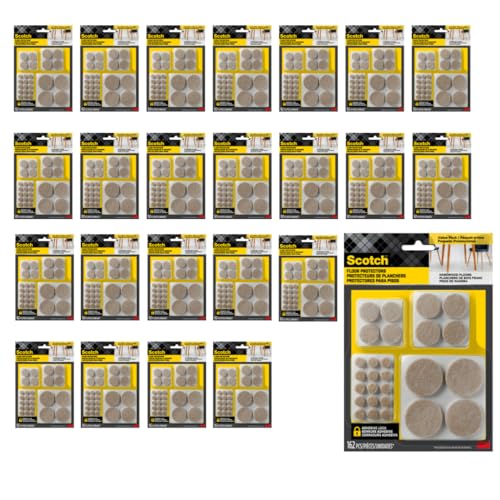
Consider applying silicone or rubber grippers. These materials can be easily cut to size and placed strategically under any item that tends to shift. Their surface friction is ideal for maintaining a firm grip without causing damage to the finish of the surface.
If larger pieces of equipment are present, using furniture anchors can provide an additional layer of security. These devices attach directly to the wall or floor, preventing any accidental movement while allowing for the flexibility of design. This approach is particularly useful in setups where constant adjustments are sought.
Tips for Securing Items on Smooth Surfaces
Use rubber pads or grips underneath each leg to create traction and minimize movement. Choose non-slip materials specifically designed for this purpose to enhance stability.
For a long-lasting solution, consider adhesive products that can secure without damaging the surface. Secure adhesive strips can be applied to the base of legs or edges.
Anti-skid mats are also efficient; roll them under large pieces where movement is frequent. They come in various sizes and materials, making them versatile for different setups.
Invest in heavier models if practicality allows; the additional weight inherently reduces mobility. Try rearranging the arrangement to distribute weight evenly across surfaces.
For a temporary fix, use a double-sided tape. Its grip can be strong enough to hold small pieces in place without causing harm when removed.
Finally, regularly check the integrity of protective solutions to ensure they perform optimally. Replace worn-out pads or slips to maintain stability over time.
Identify the Type of Wood Floor You Have
The first step is to understand the specific material of your surface. Different types of wood come with varied textures, finishes, and characteristics that influence stability and grip. Take a closer look at your planks to distinguish between solid hardwood, engineered wood, or laminate.
| Type of Flooring | Description | Grip Level |
|---|---|---|
| Solid Hardwood | Made from natural wood, this type is prone to elements like humidity and temperature changes. | Moderate |
| Engineered Wood | Composed of several layers of wood, offering better stability and moisture resistance. | Higher |
| Laminate | Manufactured using a photographic layer under a clear protective layer; mimics real wood appearance. | Lower |
Check for the finish applied to your boards. A glossy coat may provide less friction than a matte finish. Observe how items move across the surface; if they glide too easily, it may indicate a slick surface that requires additional measures for stability. Always consider the specific properties of your material to choose the right techniques to secure your possessions.
Use Furniture Pads for Stability
Applying pads underneath items can significantly enhance their grip, preventing unwanted movement. Choose felt or rubber pads; both options provide excellent traction. Felt pads are ideal for items that need to slide occasionally, like chairs, while rubber pads work best for heavier pieces, keeping them stationary.
Installation Tips
Begin by cleaning the surface of both the item and the flooring to ensure that the adhesive sticks properly. Cut the pads to size if necessary, and place them at each corner or point of contact. Some pads come with adhesive backing, while others may require separate glue or nails for secure attachment.
Maintenance
Regularly inspect these pads for wear and tear. Replace them if you notice any signs of deterioration or if the adhesive loses its hold. This simple check will prolong the life of your flooring and prevent scratches.
Apply Anti-Slip Coatings or Sprays
Choosing a reliable anti-slip coating or spray can significantly enhance grip on smooth surfaces. I prefer water-based options for their ease of application and quick drying time. First, make sure to clean the area where the product will be applied. Any dirt or grease can reduce effectiveness.
Apply the coating or spray evenly across the targeted surface using a roller or brush. It’s crucial to follow manufacturer instructions regarding application methods and drying times, as these can vary between products. Allow sufficient time for the substance to cure; this typically ranges from a few hours to several days.
After application, test the surface for slip resistance. A simple foot test can reveal whether additional coats are required for enhanced effectiveness. Remember, reapplication may be necessary over time, especially in high-traffic areas.
This method not only improves stability but also protects the finish of your flooring. Make sure to choose a product specifically designed for your type of surface to ensure compatibility and maximize adhesion. Regular maintenance, such as cleaning spills immediately, will keep the coating performing optimally.
Experiment with Area Rugs and Mats
I recommend placing area rugs or mats under objects to enhance grip and prevent movement. Choose rugs with rubber backing for optimal friction. Ensure the size of the rug corresponds with the dimensions of the item it supports, providing ample coverage to catch any shifting.
Selecting the right material can significantly impact performance. For example, a thicker pile can offer better traction. Additionally, consider non-slip pads beneath rugs to secure them in place.
In rooms with high foot traffic, opt for rugs made from durable materials that resist wear, while still offering traction. Aesthetic patterns and colors can also add to the visual appeal while serving a practical purpose.
Don’t hesitate to experiment with various rug placements and sizes until you achieve the desired stability. Rearranging furniture around rugs can improve layout and function while minimizing unwanted movement.
Periodic checks are beneficial. Ensure that rugs remain in good condition and replace them when necessary to maintain effectiveness.
Check and Adjust Furniture Feet
Inspect the legs of your items closely. If they are uneven, this can cause instability and movement. Use a level to determine if all feet are sitting flat on the surface. If discrepancies are found, small adjustments can often be made by adding pads or adjusting the height of certain legs.
For items with removable feet, consider replacing them with ones designed specifically for greater grip. Rubber or silicone options tend to offer better traction compared to standard plastic or metal choices. Ensure that replacements are compatible with the design of your items.
Evaluate the shape of the feet. Wider bases generally provide better stability. If narrow legs are unavoidable, consider using stabilizers or additional support, such as corner brackets. Regularly check these adjustments to maintain maximum grip over time.
Finally, confirm that the surface under each leg is clean and free from dust. Dirt can reduce grip, leading to unwanted movement. Regular maintenance can enhance the overall stability of your items on the surface.
Utilize Heavy Furniture to Anchor Lightweight Pieces
I recommend placing heavier items, such as bookcases, sofas, or dressers, strategically to stabilize lighter pieces like accent chairs or side tables. By positioning substantial items near or around the lighter ones, I create a barrier that limits movement.
Here are some guidelines for maximizing this technique:
- Corner Placement: Situate heavy pieces in corners to create a stable base that restricts lateral movement.
- Cluster Arrangement: Group lightweight items closely with heavier ones, minimizing space for sliding.
- Weight Distribution: Evenly distribute weight across the room to prevent imbalance that might encourage movement.
- Utilize Bed Frames: Position lighter elements next to robust bed frames or other substantial structures for added stability.
- Layering: Use large shelves or cabinets as a backdrop for smaller decorative pieces, anchoring them firmly in place.
This approach not only serves a functional purpose but also enhances the aesthetic appeal of the space, creating a cohesive look. By thoughtfully arranging solid items in relation to lighter ones, I ensure both beauty and practicality in my environment.
Regular Maintenance of Floor and Furniture
Inspect surfaces regularly for dirt, dust, or debris. I use a microfiber mop to avoid scratches. Ensure to clean spills immediately to prevent stains or damage.
Checking for any protruding nails or sharp edges on the legs of items is crucial. I sand down any rough spots to protect the finish of the flooring.
Adjust the tension on adjustable feet periodically. This maintains stability and reduces unintentional movements.
Reevaluate placement of area rugs every few months. They may shift or bunch up over time, compromising their effectiveness.
Apply wax or polish designed for specific surfaces as needed. This can enhance grip and provide a protective layer, aiding in maintenance.
Rotate items periodically, especially lighter pieces, to ensure even wear on both the floor and the furniture. This practice helps maintain aesthetics and functionality.
Implement Proper Arrangement of Furniture Layout
Positioning items correctly can significantly minimize unwanted movement. Begin by placing heavier pieces against walls or corners. This not only reduces mobility but also maximizes available space. Avoid aligning lighter items directly against each other, as this can create a domino effect when one piece is nudged.
Utilize Strategic Spacing
Create adequate distance between various elements. Spacing out lighter tables or chairs encourages stability. Furthermore, avoid overcrowding to maintain clear paths, preventing accidental pushes. Group similar sizes and weights together to create balance in the arrangement.
Consider Room Dynamics
Analyze the natural flow of foot traffic. Position larger, immovable objects in high-traffic areas while placing lighter accessories elsewhere. Being mindful of how people move through the space helps to deter unintentional shifts. Observe and adjust arrangements as needed based on usage patterns.


