
 Caleb Turner

I recommend immediately vacuuming any upholstery to remove any jumping nuisances and their eggs. Use a vacuum cleaner with a HEPA filter for optimal results, ensuring to pay special attention to seams, edges, and under cushions.
Following the vacuuming process, a steam cleaner can be employed to eliminate remaining larvae and adults. High temperatures are effective against these invaders, so use a steam setting for thorough coverage. Focus on areas where pets frequently rest or play.
Natural repellents such as diatomaceous earth or baking soda can be sprinkled on surfaces and left for several hours before vacuuming again. These substances work by dehydrating the pests, making them a practical choice for safe and effective pest control.
Methods for Removing Unwanted Inhabitants from Upholstery
I recommend thoroughly vacuuming all surfaces, focusing on seams and crevices. Use a vacuum with a strong suction and a hose attachment for difficult areas. Dispose of the vacuum bag or empty the canister immediately outside.
Create a natural solution by mixing equal parts of water and white vinegar in a spray bottle. Lightly mist the upholstery without soaking it, and allow it to sit for about 30 minutes. This can help to kill any remaining pests and neutralize odors.

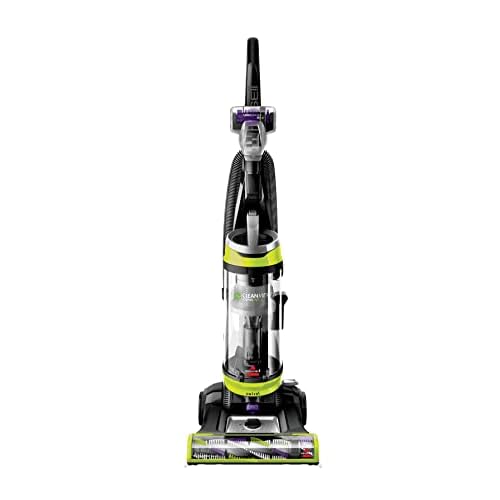


Consider steam cleaning this area. High temperatures effectively eliminate various unwelcome pests. If you have access to a steam cleaner, ensure it reaches all fabric areas, including cushions.
For a more targeted approach, use a specialized insecticide designed for soft surfaces. Always read and follow the product instructions carefully, ensuring safety for humans and pets.
After treatment, wash any removable fabric covers in hot water. This step further ensures complete elimination and refreshes the textiles.
Regularly inspect and clean these items as a preventive measure. Create a cleaning schedule to maintain a pest-free environment and avoid future infestations.
Identifying Flea Infestation on Furniture
Look for small, dark specks that resemble dirt or pepper, often found on cushions or carpeted surfaces. These can be flea droppings, known as frass. Additionally, check for tiny, fast-moving insects that are about 1/8 inch in size, typically jumping rather than crawling.
Another indicator is the presence of your pets scratching or biting at their fur. Pay attention if you notice unusual behavior from your animals, as they may try to get rid of these unwanted pests. Conduct a thorough examination of your pet’s sleeping areas, where eggs and larvae can accumulate.
Signs on Upholstery
Inspect upholstered items for bite marks, which may appear as red specks or welts on the surface. These can result from the pests probing through fabric. If you notice increased discomfort during the evenings or at night, there may be an issue.
Look closely at seams, creases, and folds, as these spaces provide ideal hiding spots. Using a magnifying glass can assist in identifying life stages of these critters, including eggs, larvae, and adults. Additionally, monitor for any unusual odors, which might suggest a higher concentration of these critters.
Environmental Clues
Check for areas where your pet frequently rests or sleeps; these spots often show higher infestations. Other signs include finding the small, white, rice-shaped eggs scattered around the vicinity. If you notice increased itching on exposed skin after sitting or lounging, this can also indicate a problem.
Preparing the Area for Cleaning
Clear the vicinity of any items or furnishings not being addressed. This allows for unrestricted access to every nook and cranny where pests may hide. Use a vacuum cleaner with a strong suction capability to remove loose debris and dirt from the area. Pay special attention to corners, crevices, and the undersides of objects.
Vacuuming Techniques
Employ various attachments to reach tight spots. The brush tool can be effective on textured surfaces, while a crevice tool is ideal for narrow gaps. After vacuuming, empty the bag or canister outside to prevent re-infestation.
Protective Measures
Before proceeding, ensure the surrounding environment is safe. Remove any pets and children from the area to avoid exposure to cleaning agents. Wear gloves and a mask if using chemical solutions, and ventilate the space adequately by opening windows or using fans.
Vacuuming Techniques to Remove Fleas
First, I recommend using a vacuum with strong suction and a motorized brush attachment. The brush helps dislodge eggs and larvae from upholstery and carpets. Move the vacuum slowly over surfaces to increase the chances of capturing hidden insects.
It’s crucial to focus on seams, crevices, and folds of cushions. These areas often harbor hidden pests. I also make sure to vacuum underneath and behind furniture, as these spots are frequently overlooked.
After vacuuming, I immediately dispose of the vacuum bag or contents in a sealed plastic bag to prevent any pests from escaping. For bagless models, I empty the canister outdoors, ensuring no eggs or insects return indoors.
I repeat this vacuuming process every few days for several weeks to impact the life cycle. This consistent method helps reduce populations and eliminate them effectively.
Additionally, I can integrate a vacuuming schedule that coincides with other cleaning routines. This ensures I maintain a clean environment while keeping infestations at bay.
Using Flea Sprays and Treatments on Furniture
Choose a treatment that is safe for upholstery and effective against pests. Look for sprays labeled for indoor use and verify they are suitable for your specific upholstery type. Following the product instructions is vital for achieving the best outcomes.
Types of Sprays to Consider
- Insect Growth Regulators (IGRs): These disrupt the life cycle of insects, preventing larvae from maturing into breeding adults.
- Natural Repellents: Options like diatomaceous earth or essential oils can deter critters while being less harsh on the environment.
- Pyrethrin-based Sprays: Derived from chrysanthemum flowers, these are potent against various pests but may irritate sensitive individuals.
Application Tips
- Ensure the area is well-ventilated. Open windows and doors to allow for airflow while applying treatments.
- Prior to spraying, remove any objects from the area to avoid contamination.
- Apply the spray evenly, focusing on seams, cushions, and any crevices where pests may hide.
- Allow the treated surfaces to dry completely before using the furniture to ensure safety.
Regular treatment and monitoring can greatly reduce the likelihood of recurrence. Combining sprays with thorough cleaning practices enhances effectiveness. Don’t forget to repeat applications as specified on the product label to maintain a pest-free environment.
Natural Remedies for Flea Removal
Using natural ingredients can effectively eliminate unwanted pests from your living spaces. Start with a mixture of vinegar and water. Combine equal parts of white vinegar and water in a spray bottle, then apply it to affected areas. The strong smell deters these small insects while also suffocating them.
Another option is diatomaceous earth–a fine powder that hurts the exoskeleton of these insects. Sprinkle this natural substance on the surfaces where you observe signs of infestation. Allow it to sit for a few hours before vacuuming thoroughly. This method is safe for pets and children, provided you use food-grade diatomaceous earth.
Essential Oils as Repellents
Essential oils offer a pleasant and effective way to repel unwanted critters. Oils such as lavender, lemon, and eucalyptus can be diluted with water and sprayed onto various surfaces. Each of these oils has properties that repel pests, making your space inhospitable for them.
Additionally, adding a few drops of essential oils to your cleaning product can enhance its pest-repelling abilities. Remember to test a small area first to avoid staining.
Salt as a Dehydrating Agent
Salt can serve as a natural dehydrating agent. Spread a thin layer of salt on carpets or upholstery and let it sit for 24 hours. This helps to draw moisture from these insects, leading to their demise. Vacuum up the excess afterward to remove both the salt and any deceased pests.
Regular application of these remedies, combined with consistent cleaning practices, can significantly reduce the population of these unwelcome invaders in your home.
Deep Cleaning Upholstery and Fabrics
Regularly deep cleaning soft surfaces is key to eliminating any lingering pests and their eggs. Begin with a robust vacuum equipped with a high-efficiency particulate air (HEPA) filter to ensure maximum capture of tiny insects and debris lodged within the fibers. Move methodically, ensuring every corner and crevice is attended to.
After vacuuming, apply a suitable upholstery cleaner recommended for the specific fabric type. Test a small, hidden area first to prevent discoloration or damage. Use a cloth or a soft brush to work the cleaner into the fabric, and then rinse with a damp cloth to remove residues.
| Fabric Type | Recommended Cleaning Method |
|---|---|
| Microfiber | Use a water-based cleaner and soft brush. |
| Leather | Apply a leather conditioner after cleaning with a damp cloth. |
| Velvet | Use a specialized fabric cleaner and avoid excessive moisture. |
For stubborn stains or infestations, consider steam cleaning as it effectively reaches deep into fibers, eliminating many harmful agents. Follow manufacturer instructions and ensure proper drying post-cleaning to prevent mold growth.
Additionally, utilizing protective upholstery sprays can create a barrier against future infestations. Products containing safe, non-toxic ingredients are preferable, ensuring a non-harmful environment for pets and family.
Preventing Future Flea Infestations on Furniture
Regular maintenance is key. I consistently vacuum my living area at least once a week, paying special attention to corners and under cushions where debris may accumulate.
- Invest in a vacuum cleaner equipped with a HEPA filter. This will capture microscopic pests and their eggs effectively.
- Encourage a routine cleaning schedule for pets. Regular baths and brushing help minimize the chances of bringing these critters indoors.
- Consider using flea prevention treatments for pets, ensuring they are protected year-round.
Utilize protective covers for upholstered pieces. These can be easily washed and provide an additional barrier against unwelcome visitors.
- Choose breathable fabrics that are less prone to harboring pests.
- Incorporate frequent washing of throw blankets and decorative cushions. A hot cycle in the washing machine helps eliminate hidden eggs.
Inspect items brought into the home. Before introducing second-hand furnishings or textiles, I always check for signs of infestations or debris.
- If possible, freeze small items for 48 hours to kill any unseen inhabitants.
- Always store pet bedding and toys in sealed containers when not in use.
Maintain landscape hygiene. Keeping the yard tidy and regularly trimming shrubs can discourage these pests from gaining access.
Regular monitoring is essential. I encourage everyone to check for signs of an infestation periodically, especially after any travel or pet interactions with other animals.
FAQ:
What are the first steps I should take to remove fleas from my furniture?
The initial steps include thoroughly vacuuming all furniture, paying close attention to crevices and seams where fleas may hide. After vacuuming, dispose of the vacuum bag or empty the canister outside to prevent any fleas from re-entering your home. Washing any removable fabric covers in hot water can also help eliminate fleas. This two-step process is crucial as it removes adult fleas and their eggs from the furniture surface.
Can I use natural remedies to get rid of fleas on my furniture?
Yes, there are several natural remedies you can try. One effective method involves using a mixture of water and vinegar in a spray bottle. Spray this solution onto the affected areas of the furniture, as fleas dislike the strong scent of vinegar. You can also use essential oils such as lavender or lemon, diluted in water, to deter fleas. However, keep in mind that while these natural solutions can help repel fleas, they might not eliminate a heavy infestation on their own.
How often should I treat my furniture for fleas if I’ve had an infestation?
After a flea infestation, it’s advisable to treat your furniture at least once a week for a month. This allows you to break the flea life cycle, as fleas can lay eggs that may not immediately be affected by treatments. Regular vacuuming and washing of fabrics should be part of your maintenance routine during this period. Additionally, using flea sprays or powders labeled for indoor furnishings can provide ongoing protection when used as directed.
What types of products are safe to use on my furniture for flea control?
When it comes to products, look for insecticides specifically labeled for indoor use on furniture. Many pet-safe options are available that target fleas without harming your home environment. Look for products containing ingredients like permethrin or diatomaceous earth. Always read the label to ensure the product is suitable for your type of furniture and does not contain harmful chemicals. When using any product, ensure proper ventilation and consider testing it on a small, inconspicuous area first.
Are there any preventative measures I can take to stop fleas from returning to my furniture?
Preventing fleas from returning involves a combination of practices. First, regularly vacuum your furniture and wash pet bedding to remove any flea eggs and larvae. Keeping your home clean and clutter-free helps reduce hiding places for fleas. Additionally, treating your pets with veterinarian-recommended flea prevention products can significantly reduce the likelihood of bringing fleas back into your home. Consider using flea traps to monitor for their presence, allowing for early detection and action.
How can I prevent fleas from returning after I clean my furniture?
To prevent fleas from returning after cleaning your furniture, it’s important to take a multi-faceted approach. First, treat your pets with veterinarian-recommended flea treatments to eliminate any fleas they may carry. Following that, regularly vacuum your home, including carpets, upholstery, and areas where pets sleep. Use vacuum attachments to reach hidden spots where fleas can hide. Additionally, consider using flea traps around your home to catch any lingering fleas. Maintaining a clean environment, such as washing bedding and soft furnishings frequently, can also deter fleas from making a comeback. Lastly, if the problem persists, you may want to consult a pest control professional for targeted treatments.


