Caleb Turner
The foundation of a welcoming space lies in the seating arrangement. Opt for a comfortable sofa bed or a futon; this allows versatility without compromising on relaxation. Incorporate an additional chair for extra seating, ensuring your visitors have a cozy spot to unwind.
Alongside seating, prioritize a functional sleeping setup. A quality mattress is crucial, so consider one that balances firmness and comfort. Invest in bedding that feels luxurious yet is easy to maintain. Choosing soft, inviting textures can enhance the overall aesthetic.


Next, focus on storage solutions. A stylish dresser or nightstand can provide practicality without sacrificing design. Look for options that feature drawers or shelves to help keep the area tidy while adding a personal touch with decor.
Lighting is another fundamental aspect. A combination of ambient and task lighting will create a warm atmosphere. Incorporate a bedside lamp or wall sconces to ensure your guests feel comfortable during their stay. This attention to detail contributes significantly to their experience.
Finally, consider the overall color scheme and decor. Use hues that promote relaxation and tranquility. Consider incorporating elements like artwork or plants to bring life to the space. Aim for a cohesive design that reflects a balance between comfort and style.
Selecting Elements for a Welcoming Space
Prioritize a comfortable bed with quality linens and adequate support. A queen size often meets various guest needs.
Essential Features
- Nightstands on each side enhance convenience, allowing guests to place essentials within reach.
- A cozy chair or small sofa invites relaxation. Choose models that complement the overall aesthetic.
- Consider a desk or small table for those who may need to work or organize during their stay.
Storage Solutions
- Add a dresser or chest of drawers for guests to unpack. If space permits, a closet with hangers is beneficial.
- Incorporate under-bed storage options to maximize space efficiency.
Choose pieces that align with your home’s design while providing a warm atmosphere. A soft color palette in furniture can evoke tranquility and comfort. Ensure adequate lighting through bedside lamps or overhead fixtures for a welcoming ambiance.
Assessing Space and Layout Requirements
To maximize the potential of the available area, I begin by taking precise measurements of the space. Knowing the dimensions allows me to visualize how different pieces will fit. I recommend using a tape measure for accurate results, noting any architectural features such as windows, doors, and built-ins that may affect placement.
After collecting measurements, I draw a simple floor plan. This helps me understand the flow of movement and prevents overcrowding. I indicate the locations of existing elements and plan the arrangement of new items accordingly. A basic sketch on graph paper can prove beneficial, with each square representing a specific scale, such as one square equaling one square foot.
Next, I consider the layout style. Depending on the shape of the space, I choose between traditional layouts, like a linear arrangement along walls or a more centralized configuration that encourages conversation. A circular or semi-circular set-up works well in larger areas, while streamlined layouts suit narrower spaces.
| Layout Style | Best For | Key Features |
|---|---|---|
| Linear | Narrow spaces | Efficient use of walls, reduces congestion |
| Centralized | Medium to large areas | Encourages interaction, creates inviting atmosphere |
| Circular/Semi-Circular | Large areas | Fosters conversation, more dynamic arrangement |
It’s important to consider how many individuals the area needs to accommodate. I mentally picture the ideal setup for sleeping, relaxing, and social interactions, factoring in both daytime and nighttime activities. This holistic approach ensures that each item serves its purpose without compromising comfort.
Finally, I assess storage needs. Clutter can undercut the comfort of a space, so I plan for functional storage solutions within the design. Whether it’s incorporating multi-functional pieces or ensuring sufficient closet space, storage is a vital component of my planning process.
Selecting the Right Bed Type for Comfort
Prioritize selecting a bed that enhances restfulness while accommodating diverse guest preferences. A queen or king-sized bed often serves as an ideal option, offering ample space for single or shared sleeping arrangements. Consider various mattress types–memory foam, innerspring, or hybrid–tailoring them to individual sleep styles.
Mattress Firmness
Test varying firmness levels to determine what promotes relaxation. While some guests favor a plush feel, others may prefer firmer support. A medium-firm mattress often strikes a balance, catering to a broader audience. Installing a mattress topper can also enhance comfort, adding a layer of softness without the commitment of a completely new mattress.
Bed Frame Features
Opt for a frame that complements the mattress choice while ensuring accessibility. Low-profile designs simplify entry and exit, making them suitable for all ages. Including under-bed storage options maximizes space utility, especially in smaller areas. Adjustable bases can provide added versatility, allowing guests to find their preferred sleeping position.
Choosing Functional Storage Solutions
Incorporating versatile storage options simplifies organization and maximizes utility. Consider using multipurpose furniture that doubles as storage, like ottomans with hidden compartments or beds with built-in drawers. This approach eliminates clutter while providing essential space for guests’ belongings.
Utilize Vertical Space
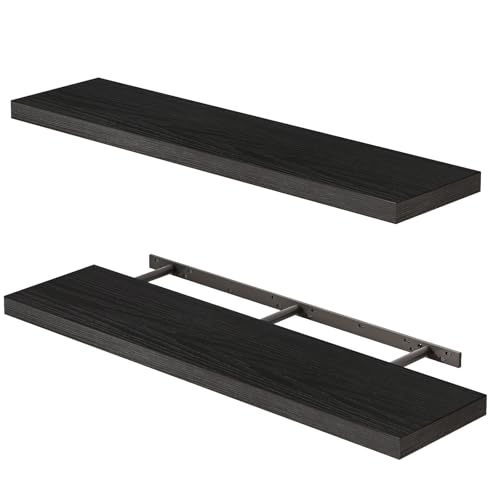
Wall-mounted shelves and tall bookcases help make the most of vertical areas, drawing the eye upward and creating an illusion of more space. These can serve not only as a place for books or decorative items but also as a storage spot for extra linens or travel essentials.
Baskets and Decorative Boxes
Incorporate styled baskets and storage boxes to keep small items organized. Tote baskets can be placed in closets or under the bed, adding a cohesive look while serving a functional purpose. Select colors and patterns that blend with the overall design to maintain visual flow.
Picking Versatile Seating Options
Incorporate modular or sectional sofas that can be rearranged to accommodate various needs, allowing both lounging and additional sleeping space when necessary. Look for options with hidden storage or fold-out features to enhance practicality.
Multi-functional Chairs
Consider accent chairs that can double as beds or have pull-out mechanisms. These not only provide comfortable seating but also serve as extra sleeping arrangements for overnight visitors. Ottomans with storage capacity offer both footrest functionality and extra seating without taking up too much space.
Compact Benches
Benches without backs can be placed along the walls or foot of the bed, providing additional seating while maintaining a clean appearance. Opt for those with internal storage to keep the area organized. This layout allows for easy movement within the space, ensuring that it remains inviting and usable.
Incorporating Personal Style and Ambiance
Integrating individual taste into an accommodating space can be achieved through thoughtful selection of accessories and color palettes. I often recommend adding unique artwork or local crafts that reflect the personality of the hosts. This creates a welcoming atmosphere while showcasing distinct character.
Ambient lighting significantly influences the mood. Soft, adjustable light sources, such as table lamps or floor lamps, enhance comfort and warmth. I prefer using dimmable fixtures, allowing guests to personalize their experience based on preference.
Textiles present another opportunity to express style. I choose bedding and curtains that resonate with the overall theme, utilizing a mix of textures for visual interest. Layered materials, such as throws and decorative pillows, add depth and comfort to seating areas.
Furniture pieces that resonate with personal taste can serve as conversational starters. Vintage or unique items lend charm, while modern designs can create a sleek, cohesive look. I often look for multi-functional items that align with aesthetic while serving practical purposes.
Lastly, incorporating plants or natural elements not only purifies the air but also adds a calming effect. Having greenery around can make the environment feel more inviting and alive. I select low-maintenance varieties to ensure that upkeep doesn’t become a burden.
Ensuring Flexibility for Future Visitors
Opt for multi-functional items to accommodate varying needs. A pull-out sofa or a sleeper chair offers extra sleeping space without compromising comfort. These options can easily transform the area from a living space into a resting place.
Consider Modular Solutions
Modular units allow reconfiguration based on occupancy. They enable quick adaptations, ensuring ample seating or sleeping space as required. These adaptable arrangements maintain functionality while providing an appealing aesthetic.
Utilize Versatile Accessories
- Ottomans can serve as footrests or additional seating.
- Nested tables offer surface area for drinks or snacks and can be easily stored away.
- Foldable chairs are practical and can be easily tucked away when not used.
Incorporate adjustable lighting to set the mood based on occasion. Dimmer switches provide flexibility, allowing personalization for day or night settings.
Invest in neutral palettes with accent pieces that can be swapped out for seasonal updates. This approach offers a fresh feel without the need for significant changes, catering to diverse preferences. Whether hosting friends or family, these elements ensure the space remains inviting and functional.
FAQ:
What are the key factors to consider when selecting furniture for a guest room?
Choosing furniture for a guest room involves a few key factors. First, think about the size of the room; this will dictate how much and what type of furniture can fit comfortably. Second, consider the function of the space. Will it primarily serve as an overnight stay for guests, or will it be used for other purposes as well? Finally, pay attention to style and comfort. You want your guests to feel welcome and relaxed, so opt for furniture that is both aesthetically pleasing and comfortable. Additionally, think about storage options to keep the room clutter-free.
How can I make a small guest room feel more spacious with furniture selection?
To maximize a small guest room’s space, choose furniture that is appropriately scaled. Look for multi-functional pieces, such as a bed with drawers underneath or a fold-out sofa bed. Light-colored furniture can also create an illusion of more space. Additionally, avoid heavy or bulky items, as they can make the room feel cramped. Mirrors can help reflect light and make the room appear larger. Consider utilizing vertical space with shelves or wall-mounted storage to keep the floor area clear.
What type of bed should I choose for a guest room?
The type of bed you select depends on several factors, including the size of the guest room and the anticipated use. A queen-sized bed is a comfortable option for couples, while a twin or full bed may be sufficient for solo guests. If space is limited, consider a Murphy bed or a sleeper sofa that can be tucked away when not in use. Make sure to invest in a good mattress, as comfort is key to ensuring your guests have a pleasant stay. Decorative bedding can enhance the room’s aesthetic appeal.
Are there specific styles of furniture that work best in guest rooms?
There is no one-size-fits-all style for guest room furniture; it often depends on your home’s overall decor. However, relaxed and neutral styles, such as contemporary or farmhouse, tend to create a welcoming atmosphere. Vintage or eclectic pieces can also add character. Ensure that the furniture complements the rest of the home while still providing comfort. It’s also beneficial to select timeless pieces that won’t go out of style quickly, allowing for a cohesive look throughout your space.
How can I incorporate storage solutions into a guest room?
Incorporating storage solutions into a guest room can help keep the space tidy and functional. Consider using furniture with built-in storage, like a bed frame with drawers or an ottoman that opens up for storage. Wall shelves are great for displaying decor while providing space for extra linens or books. Hooks for hanging bags or coats can also be handy. Make sure to plan for personal items or luggage of guests by providing a little extra space or designated areas. A well-organized guest room enhances the overall experience for your visitors.
What types of furniture are best suited for a guest room?
When selecting furniture for a guest room, it’s important to think about both comfort and functionality. A good bed is the centerpiece of any guest room; consider options like a queen or full-size bed to accommodate various guest needs. A comfortable mattress is key for a pleasant stay. Additionally, furnishings such as nightstands are helpful for guests to place their personal items. Providing a dresser or an open closet can also be advantageous for longer stays. Incorporating a small seating area with chairs or a loveseat can create a welcoming atmosphere. Don’t forget about practical considerations like a desk or a small table if you foresee guests needing a space to work or enjoy a meal. Overall, focus on a balance of comfort and utility to make your guest room inviting.
How can I make a small guest room feel more spacious with furniture choices?
To maximize a small guest room’s feel, furniture selection plays a key role. Opt for multi-functional pieces, such as a bed with built-in storage or a folding desk that can be tucked away when not in use. Lighter colors for furniture and walls can also create an illusion of space. Additionally, consider choosing furniture with a slim profile—avoiding bulky pieces helps to maintain an open and airy feel. Mirrors are an excellent addition; placing a large mirror can reflect light and create depth. Lastly, minimalist decor and keeping accessories to a minimum helps prevent clutter, making the room appear larger and more inviting.