
 Caleb Turner
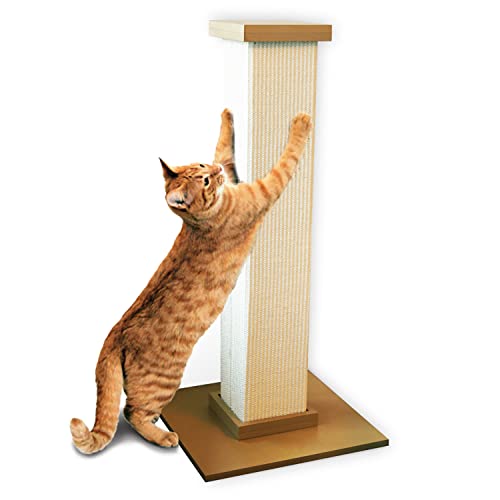
Choose sturdy materials like plywood or solid wood for structures that withstand active play. These choices also allow for a more aesthetically pleasing final result. Consider using sisal rope for scratching posts. It offers durability and satisfies your pet’s natural instincts.
Design shelves and perches at varying heights to cater to your cat’s climbing tendencies. Ensure that the surface is roughened or has gripping material to prevent slips. Additionally, include hidden compartments or boxes where your pet can retreat and feel secure.
Incorporate soft bedding into lounging areas for comfort. Removable fabric covers will simplify cleaning and maintenance. Lastly, don’t forget to personalize these spaces with toys and interactive elements to inspire play and exploration.
Selecting the Right Materials for Cat Furniture
Choose plywood or MDF for sturdy, long-lasting bases. These materials provide stability while remaining affordable. Select ¾-inch thick panels for optimal strength.
For surfaces, opt for carpet or sisal. Carpet is warm and soft, while sisal offers an excellent scratching surface. Make sure to use durable fabrics, as they will withstand wear over time.


Consider using non-toxic paint or finishes to ensure safety. Cats often lick their paws, so using safe materials is crucial.
Keep weight in mind; lighter materials are easier to move but may not hold up under constant use. A combination of various materials, like wood and fabrics, can balance weight and sturdiness.
- Plywood or MDF for bases
- Carpet for comfort
- Sisal for scratching posts
- Non-toxic finishes
- Mixed materials for balance
Ensure all edges are smooth to prevent injuries. Consider adding rubber pads under the base for stability and to prevent slipping on hard floors.
Lastly, test the materials under load before finalizing your design. This will guarantee that your structure is safe and functional for daily use.
Designing a Cat Tree That Fits Your Space
Maximize vertical space by choosing a design that reaches the ceiling or near it, depending on your room height. This can create a striking visual presence without occupying too much floor area.
Select specific features based on your living environment. For smaller rooms, consider a compact model with multiple tiers. An L-shaped structure can blend into corners, ensuring accessibility while saving space.
Incorporate shelves that can be mounted on walls if traditional bases are impractical. This option utilizes otherwise wasted vertical surfaces, allowing for climbing without taking up ground space.
Evaluate the layout of your room. If you have areas with limited access, uhf adjustable connectors between platforms can facilitate a personalized configuration, ensuring seamless movement throughout the structure.
Choose colors and finishes that harmonize with your interior decor. Neutral shades can enhance the environment, while vibrant colors add playful accents. Customization in this aspect can elevate both aesthetic appeal and user experience.
Integrate cozy elements like padded resting areas or removable covers, ensuring comfort and easier maintenance. Position them within reach of windows or areas with good visibility for additional relaxation.
If possible, match the design with existing furniture to create a cohesive look. This can include styles like rustic, modern, or minimalist, allowing the climbing structure to complement the overall ambiance.
Lastly, anticipate future reorganizations or changes. Opt for modular components that can be easily modified or expanded, accommodating shifting needs while retaining functionality and style.
Steps to Create a Cozy Bed for Your Feline Friend
Choose a soft, breathable fabric, such as fleece or cotton, for the bed’s exterior. This material provides comfort and is easy to clean. For the filling, opt for memory foam or polyester stuffing to ensure proper support and coziness.
Measurements and Assembly
Measure the size of your pet to determine the ideal dimensions for the resting area. A bed with a diameter of 18-24 inches typically works well for most cats. Cut two same-sized fabric circles for the top and bottom. For the sides, cut a rectangular piece that wraps around, adding a few extra inches for seams.
Stitch or glue the sides to the bottom circle, ensuring a strong bond. Fill the cavity with your chosen stuffing, then attach the top circle. Finally, add a decorative touch, like a removable cushion cover or a contrasting stitch around the edges.
Finishing Touches
Consider adding a non-slip bottom to prevent sliding on surfaces. Patches can be incorporated for added style or even extra storage for toys. Finally, choose a calming color palette that complements your home decor, ensuring the space feels inviting and snug for your pet.
Building Scratching Posts That Cats Love
Opt for sisal rope instead of carpet for wrapping, as it withstands vigorous clawing. Securely attach the rope using a strong adhesive to prevent unraveling. It’s essential to choose a sturdy base, like plywood or solid wood, to avoid tipping.
Incorporate varying heights into the design. Cats enjoy climbing, so include multiple levels. Consider adding platforms or shelves to cater to their natural behaviors. A sturdy post measuring 3 to 5 feet tall is ideal.
- Base: Use a solid, rectangular piece measuring at least 24 inches by 18 inches.
- Height: For a vertical experience, aim for 36 inches or taller.
- Post Wrap: Go for at least two layers of sisal for additional durability.
Create a comfortable area at the top of the post for lounging. Soft fabrics like fleece or faux fur can make this spot inviting. Cats appreciate cozy, safe spaces for relaxation.
- Cut the base and post to the desired sizes.
- Sand the edges to prevent splinters.
- Wrap the post with sisal, adhering it securely.
- Attach a soft top using screws or strong adhesive.
- Finishing touches like a small dangling toy can entice a playful interaction.
Regularly inspect the scratching structure for wear and tear. Replace any frayed parts to keep your pet engaged and satisfied. By investing in high-quality materials and thoughtful design, you’ll create a captivating spot that keeps their claws healthy and off your furniture.
Incorporating Toys into Design
Integrating playful elements enhances engagement for both the feline and the owner’s space. Choose a variety of toys that stimulate curiosity and action. Consider using dangling strings or plush mice attached to elevated platforms. These additions encourage climbing and jumping, turning vertical spaces into exciting playgrounds.
Interactive Features
Building in mechanisms for interaction, such as treat dispensers or spinning wheels, creates more dynamic environments. These features can keep the pet mentally stimulated while providing entertainment. Remember to ensure that all toys are securely attached to prevent hazards during playtime.
Material Considerations
Select materials that are safe and durable. Natural fibers, such as sisal or cotton, can withstand scratching and provide texture for playful claws. Avoid using toxic substances or small parts that could be ingested. Where possible, utilize recycled materials to create eco-friendly options while adding a unique touch to the design.
Ensuring Safety in Your Cat Furniture Construction
Secure all components with sturdy fasteners. I prefer using wood screws instead of nails for better stability, especially in high structures. Reinforce joints with brackets to prevent wobbling.
Opt for rounded edges on surfaces. Sanding sharp corners or using corner guards minimizes the risk of injury during playtime. Always check that platforms and shelves can support your pet’s weight without bending or collapsing.
Choose non-toxic materials. Verify that paints, glues, and finishes are pet-safe. Avoid using treated wood that could leach harmful chemicals.
Stability is key; ensure a low center of gravity. The wider the base of any structure, the less likely it is to topple. If constructing tall units, consider adding wall anchors for additional support.
| Tip | Description |
|---|---|
| Fasteners | Use sturdy wood screws and brackets for joints. |
| Edges | Sand corners or use corner guards to eliminate sharp edges. |
| Materials | Select non-toxic paints and finishes; avoid treated wood. |
| Stability | A low center of gravity is critical for tall designs; use wall anchors. |
Regularly inspect for wear and tear. Look for loose screws, frayed rope, or worn-out surfaces. Timely repairs can prevent accidents and ensure your pet’s play area remains safe.
Finishing touches: Painting and protecting the furniture
Choose non-toxic, water-based paint for applying color to structures. This type is safe for furry companions and easier to clean up. Select a shade that complements your interior while considering the preferences of your pet. Test the paint on a small area to ensure it adheres well and achieves the desired effect.
Apply at least two coats, allowing adequate drying time between them. Use a foam roller or brush for smooth application. For a textured finish, consider a spray paint option, but be cautious of overspray and ensure the area is well-ventilated.
Once the paint is dry, seal the surfaces with a clear, non-toxic polyurethane finish. This layer not only enhances durability but also protects against scratches and moisture. Opt for a matte finish for a modern look or satin for a bit of gloss without being overly shiny.
Consider adding mats or blankets to provide comfort and warmth. Naturally, these fabrics should be washable, adding an extra layer of practicality. Use fabric glue or staples for attaching fabric securely to edges or surfaces.
Finally, periodically check that the paint and sealant remain intact. Promptly address any wear or damage to ensure continued safety and aesthetics in the living space. Reinvent your design as needed, adapting to changes in both style and your pet’s preferences.
Maintaining and Cleaning Your Cat Furniture
I use a vacuum cleaner with a pet hair attachment to quickly remove fur and debris from various surfaces. For fabric elements, I prefer a lint roller to pick up residual hair effortlessly.
For wooden structures, a damp cloth with mild soap works well, followed by a dry cloth to prevent water damage. I avoid harsh chemicals as they can be harmful to pets.
Regularly check for any loose screws or parts and tighten them to ensure stability. This step not only maintains safety but also prolongs the lifespan of the designs.
To combat odors, I sprinkle baking soda on upholstered areas, letting it sit for 15-30 minutes before vacuuming. This method neutralizes smells without using sprays that might bother my pet.
I enthusiastically incorporate scratchers into the cleaning routine, replacing or re-carpeting them when they show significant wear. Fresh surfaces encourage continued use and satisfaction.
If I notice stains, I treat them immediately with a mixture of vinegar and water. I apply it carefully and blot rather than rub to prevent spreading.
Lastly, I make sure to have designated cleaning days to stay ahead of maintenance tasks. This keeps my space tidy and my furry friend happy in their environment.


