
 Caleb Turner

Place seating arrangements within a six to eight-foot radius of the hearth for maximum comfort and visibility. Position chairs and sofas to create a welcoming circle, inviting conversations and warmth during chilly evenings.
Incorporate a coffee table that sits approximately 18 inches from the seating. This distance allows for easy access while maintaining an open and airy feel. Consider materials that can withstand heat without becoming damaged.
Utilize side tables to hold drinks or decorative items, ensuring they are easily reachable from the main seating. This not only enhances functionality but also adds to the overall aesthetic of the space.
Enhance safety by keeping any flammable items at least three feet away from the heat source. Investing in a stylish screen can also add an element of design while providing an extra layer of protection.

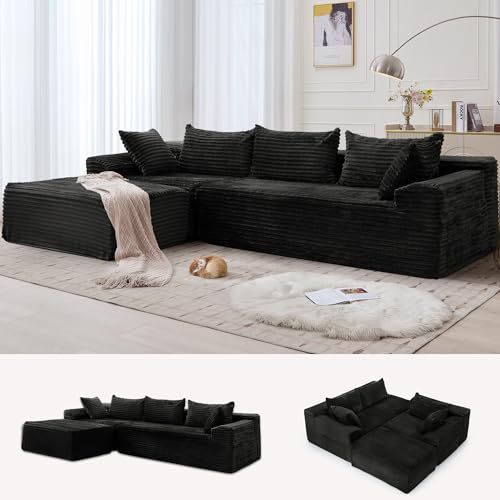


Lastly, integrate soft lighting using floor lamps or sconces that can accentuate your setup without overpowering the natural ambiance provided by the flames. This combination creates an inviting and cozy atmosphere, perfect for gatherings or quiet evenings alone.
Arranging Elements in the Vicinity of a Hearth
Position seating to encourage conversation and warmth. Sofas or chairs should face each other, creating an inviting atmosphere. Leave a minimum of 30 inches between the seating and the heat source to ensure safety and comfort.
Utilizing Rugs Effectively
Use area rugs to define the space. A rug should extend beyond the front legs of your seating to provide boundaries and enhance the design. Choose materials that are both durable and easy to clean, especially if your space is frequently used.
Incorporating Shelving and Accessories
Install shelves or cabinets nearby for books and decorative items. Avoid overcrowding, allowing the fire to remain a focal point without distractions. Select a few art pieces or plants at varying heights to add visual interest without overwhelming the area.
Assessing the Size and Style of Your Fireplace
Begin by measuring the dimensions of your hearth. This includes the height, width, and depth. A smaller, cozier area requires different spacing than a grand, open concept room.
Understanding Scale
Take into account the proportion of the mantel and surrounding walls. If the design is ornate, minimalist pieces will complement it without overwhelming the space. Conversely, a sleek, modern mantel pairs well with bold, statement decorations.
- For a compact hearth, consider lightweight seating options to ensure movement and accessibility.
- In larger spaces, a substantial couch or sectional can create a balanced atmosphere.
Examining Style Elements
Assess the aesthetic approach of your hearth. A rustic stone fireplace invites warmer, textured fabrics like wool and leather, while a contemporary facade aligns with streamlined, minimalistic textures.
Take note of the color palette. Harmonizing tones can enhance visual appeal; for example, neutral hearths benefit from contrasting bold colors in seating or artwork.
- Choose a common theme: country chic, industrial, or classic.
- Incorporate accessories that resonate with the fireplace’s design–think metal accents for modern styles or vintage pieces for a traditional look.
By accurately gauging size and style, I create a cohesive surround that enhances both comfort and functionality. The key lies in thoughtful pairing and maintaining a playful balance in textures and colors.
Choosing a Focal Point for the Room
Select a striking element to anchor the space, drawing attention and creating warmth. The fireplace often serves this purpose; however, if the structure lacks presence, consider adding artwork or a significant piece of decorative furniture. A large painting or statement mirror can redirect focus, providing balance and enhancing the overall aesthetic.
Positioning Elements
Once the focal point is established, situate other pieces to lead the eye toward it. Arrange seating in a semi-circle or U-shape to promote conversation and allow an unobstructed view. Ensure that the distance from seating to the central feature feels inviting yet practical, fostering an atmosphere of comfort.
Layering Textures
Incorporate various textures to enhance the visual interest around your chosen centerpiece. Soft textiles, wood elements, and metallic accents can create depth, making the area feel more inviting. Aim for a harmonious blend of colors and materials to support the focal point while maintaining a cohesive design.
Ultimately, the right centerpiece sets the tone and dictates the flow of your living space, ensuring each element within the room complements the vision you wish to achieve.
Determining the Appropriate Furniture Layout
Begin by placing key seating options to create a welcoming and functional arrangement. Position chairs and sofas to face the heat source, maintaining a comfortable distance of approximately 3 to 4 feet for optimal conversation and warmth. Consider using a coffee table for a cohesive look, ensuring it stays 18 inches away from seating to facilitate easy access.
Utilizing Angles for Spatial Variation
Incorporate angles in your design by placing some seating diagonally. This orientation fosters a more casual atmosphere, encouraging interaction. If space permits, consider a sectional for larger gatherings, allowing guests to spread out while still being connected to the central gathering point.
Incorporating Additional Elements
To enhance the ambiance, introduce side tables or an accent chair that complements the main seating. Ensure these pieces harmonize with the overall design language, reinforcing aesthetic appeal without crowding the area. Utilize rugs to define zones, creating a cozy nook around the warmth, while also adding texture to the space.
Maintaining Safe Distance from the Fireplace
I keep a minimum clearance of 36 inches from the hearth to any seating or decor. This distance minimizes fire hazards and allows for airflow. For larger spaces, consider increasing this space up to 48 inches, creating a safer and more comfortable environment.
When placing items, I ensure that combustibles such as throw pillows, books, or curtains are far away. In some cases, I use fire-resistant materials to further enhance safety. I also make sure that any kind of decorative screens or barriers are also positioned at this safe distance.
To check compliance, I often simulate a tight gathering around the flames and reassess the spacing to avoid overcrowding. This ensures comfort without sacrificing safety.
In homes with children or pets, I install gates or use protective screens to maintain an additional boundary, helping to prevent any accidents while still allowing for visual enjoyment of the flickering flames.
Incorporating Seating Arrangements for Comfort
Position soft seating options, such as sofas and chairs, within close proximity to the heat source. Ensuring seating is directed towards the flames not only enhances the aesthetic appeal but also fosters an inviting atmosphere for conversations and relaxation.
Arrangement Suggestions
For a more intimate gathering, consider a circular or semi-circular setup. This layout encourages interaction while maintaining visibility of the flames. When selecting chairs, opt for comfortable upholstery that complements the overall design theme of the room.
Balancing Space and Comfort
Maintain adequate space between seating and the heat source. A distance of at least three feet is advisable to ensure safety while allowing guests to experience warmth without discomfort. Use accent tables within arm’s reach for convenience, enhancing your guests’ overall experience.
Utilizing Rugs to Define Spaces
I recommend selecting rugs that not only complement but also delineate various zones within the room. A well-placed rug can visually anchor seating arrangements while enhancing the overall aesthetic. For example, positioning a substantial area rug beneath your seating can create a cozy nook that invites conversation and relaxation. Choose a design that resonates with the existing color palette and style of the decor.
Consider the dimensions of the rug in relation to the seating. Ideally, the front legs of all chairs and sofas should rest on the rug, establishing connection and balance. If space allows, opting for a larger rug can create a sense of openness while providing a cohesive look. For smaller areas, a more modest-sized rug can still achieve the desired effect without overwhelming the space.
Textures play a pivotal role–selecting a plush, soft surface can contribute to the warmth of the environment, particularly near a heat source. Incorporating patterns on the rug can introduce visual interest, drawing the eye and enhancing the focal point of the room. Mixing various textures, such as pairing a plush rug with sleek furniture, can add depth and dimension.
Moreover, defining pathways with runner rugs can help guide movement and maintain flow throughout the space. Strategically placing these along the main circulation routes ensures comfort and enhances accessibility. Experimenting with layering rugs can also add a unique touch, where a smaller decorative rug placed over a larger one can create a dynamic focal point.
Balancing Symmetry and Asymmetry in Design
To achieve a harmonious look in a living space, it’s vital to mix symmetry and asymmetry thoughtfully. A balanced room doesn’t need to adhere strictly to one style; instead, it can embrace both approaches, enhancing visual interest while maintaining a sense of order.
Creating Symmetry
Symmetrical arrangements provide a sense of stability and formality. I typically achieve this by positioning identical pieces of seating on either side of a central element. This could include matching chairs or sofas flanking the hearth, creating a cohesive look that draws the eye and promotes conversation.
Incorporating Asymmetry
Asymmetrical layouts add a layer of dynamism. I often suggest grouping varied pieces that complement each other in style, color, or texture, rather than mirroring them. For instance, a stylish armchair might be paired with an eclectic side table, creating a relaxed vibe. This contrast can contribute to a more inviting atmosphere, appealing to those who appreciate a collected-over-time aesthetic.
| Design Element | Symmetrical Approach | Asymmetrical Approach |
|---|---|---|
| Seating | Two matching sofas | One sofa, contrasting chairs |
| Accent Pieces | Two identical lamps | One lamp, decorative vase |
| Art Display | Pair of identical frames | Gallery wall with varied frames |
When balancing both approaches, it’s crucial to keep the scale and proportion in mind to prevent feeling cluttered. By integrating personal style with these principles, I create spaces that reflect both harmony and uniqueness.
Enhancing the Ambiance with Lighting Options
For a cozy space near the hearth, consider different lighting sources that create warmth and style. Avoid relying solely on overhead fixtures; instead, incorporate a mix of light to enhance the atmosphere.
Layered Lighting Techniques
- Accent Lights: Use wall sconces or table lamps to spotlight artwork or decorative elements near the fire. This adds dimension and draws attention to focal points.
- Task Lighting: Incorporate reading lamps or adjustable fixtures in seating areas. This ensures functionality while complementing the cozy ambiance of the flames.
- Dimmer Switches: Install dimmers to adjust brightness levels according to the mood. Soft lighting during evenings creates a relaxing environment.
Decorative Lighting Elements
- Candles: Place candles on mantelpieces or nearby shelves for a soft glow. Consider using lanterns for added charm during gatherings.
- String Lights: Enhance the surrounding area with string lights draped creatively. They offer a whimsical touch, especially during festive seasons.
- Eco-Friendly Options: Explore LED fixtures to maintain energy efficiency while providing adequate illumination.
These considerations make a notable difference in the overall aesthetic, creating an inviting gathering spot while enjoying the hearth’s warmth.
Adding Accessories to Complement the Space
Selecting the right decorative elements can significantly elevate the overall aesthetic around the hearth. Consider incorporating a mix of textures and materials, such as woven baskets for storing logs or soft textiles like throws and cushions that invite comfort.
A focal point can be enhanced with artwork or a decorative mirror, drawing the eye and creating depth. Surround the area with complementary items like candleholders or sculptures that reflect the style of the room, whether it be modern, rustic, or classic.
Add greenery through potted plants or fresh flowers to introduce a lively touch. Ensure these elements are placed thoughtfully to avoid hindering movement or safety. The addition of a stylish screen can serve both as a safety measure and a design feature, framing the fireplace beautifully.
Layering light sources like sconces or table lamps will contribute to a warm ambiance, making the setting inviting during evening gatherings.
Incorporating these accessories wisely not only showcases personal style but also transforms the entire area into a cohesive and appealing space.
FAQ:
What are some tips for arranging furniture around a fireplace?
When arranging furniture around a fireplace, consider the layout of the room and the flow of traffic. Start by positioning the seating to face the fireplace to create a cozy focal point. Leave enough space for movement, typically at least 30 inches between furniture pieces. Additionally, use rugs to define the seating area and ensure that any furniture placed near the fireplace is made of fire-resistant materials for safety.
How can I make my living room feel more inviting with fireplace placement?
To create an inviting atmosphere around your fireplace, try clustering seating together. Place a sofa and chairs in a semi-circle around the fireplace, which encourages conversation and warmth. Add decorative elements such as throws, pillows, and a coffee table to soften the space. Positioning the fireplace as a central feature in the room allows it to serve as a gathering point for family and friends, enhancing the overall ambiance.
Should I place my furniture close to the fireplace for warmth?
While proximity to the fireplace can provide warmth, it is crucial to maintain a safe distance. It is recommended to keep furniture at least 36 inches away from the fire source to prevent fire hazards. This distance allows for safety while still enjoying the aesthetic and warmth of the fireplace. Consider using heat-resistant materials for items placed closer to the fire.
How do I arrange furniture in a small room with a fireplace?
In a small room, arranging furniture around a fireplace can be challenging, but there are effective strategies. Choose furniture that is appropriately sized for the space; avoid oversized pieces. Position seating away from the fireplace at a slight angle to enhance the sense of space. Using multifunctional furniture, like ottomans that can be used as coffee tables, can also save space while ensuring comfort and functionality. Mirrors can help reflect light and make the room feel larger, while maintaining focus on the fireplace.


