
 Caleb Turner

First step involves a thorough cleaning using a mixture of warm water and mild soap. A soft-bristle brush helps remove dirt and grime without damaging the surface. Rinse thoroughly and allow it to air dry completely.
After the surface has dried, inspect for any areas that need attention. Lightly sand these spots with fine-grit sandpaper to smooth out rough patches. Moving with the grain prevents scratches and preserves the natural texture.
Applying a suitable finish enhances both the appearance and durability. A high-quality marine oil or specialized wood protector offers a layer of defense against weather-related wear. Ensure complete absorption by applying in thin coats and following manufacturer instructions for drying times.

Maintenance is key; regular cleaning and reapplication of protective finishes will prolong the life of these pieces. Scheduling seasonal care keeps them looking fresh and inviting throughout the year.
Assessing the Condition of Your Teak Furniture
Examine every piece for signs of wear or damage. Look closely for scratches, dents, or loose joints. A thorough inspection will help identify areas needing attention.
Surface Analysis
The surface appearance plays a crucial role in determining the treatment needed. If discoloration or fading is noticeable, these issues may be corrected with proper cleaning methods and application of suitable oils. Uniformity in color suggests less impact from weather elements, whereas stark variations indicate significant exposure.
Structural Integrity
Inspect joints and connections for stability. Any wobbling or looseness often necessitates tightening or gluing. Check for cracks, especially at junctions, as this can indicate deeper problems that may affect overall durability.
| Condition | Indication</th | Recommended Action |
|---|---|---|
| Faded | Loss of color | Clean and apply oil |
| Scratched | Visible marks | Light sanding and refinishing |
| Loose joints | Wobbling when moved | Tighten or re-glue |
| Cracked | Cuts in the surface | Assess for repair or replacement |
Be attentive to areas that may have been overlooked during initial assessments. Seasonal changes often influence deterioration, necessitating regular evaluations.
Gathering the Right Tools and Materials
Before tackling any maintenance task, it’s fundamental to assemble the necessary equipment. For this project, I rely on high-quality natural bristle brushes for applying cleaning solutions and protective finishes. They ensure an even application on intricate surfaces.
A pressure washer can be beneficial for deep cleaning, but just a gentle setting is recommended to prevent damage. If a washer isn’t available, a bucket of mild soap and warm water along with a soft cloth or sponge will suffice.
For removing stubborn stains or ingrained dirt, I find a dedicated wood cleaner invaluable. Choose a product specifically designed for wooden surfaces, ensuring it’s safe and effective without causing harm.
To restore the natural luster of the surface, a suitable oil or finish is paramount. Options like tung oil or Danish oil work well; they penetrate deeply and provide protection while enhancing the grain.
Safety gear can’t be overlooked–protective gloves and eyewear must be worn to avoid irritation from chemicals. A tarp is useful for protecting nearby surfaces from spills and excess runoff during the process.
Lastly, a soft, lint-free cloth is essential for polishing after application, achieving that desired shine without leaving behind residue. Collecting these items ahead of time ensures a smooth workflow and effective results.
Cleaning Teak Furniture: Best Practices
For cleaning and maintaining outdoor pieces, a mixture of warm water with mild soap is practical. Use a soft bristle brush or a non-abrasive sponge to gently scrub the surfaces, focusing on areas with dirt or stains. Rinse thoroughly with clean water to eliminate any soap residue.
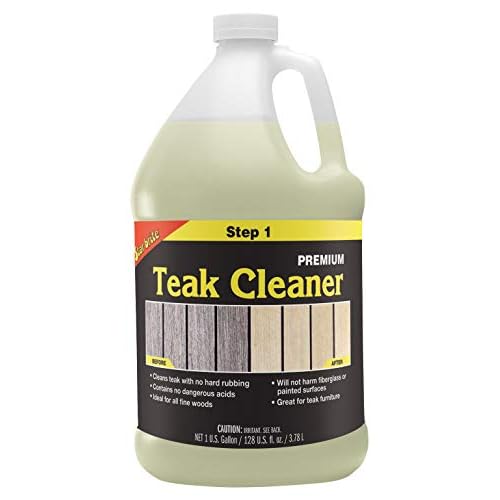
For tougher grime, a specialized teak cleaner can be effective. Apply according to the manufacturer’s instructions, allowing it to sit for the recommended time, then scrub and rinse. This approach removes unwanted buildup without damaging the wood.
A periodic deep clean, perhaps every six months, helps preserve the integrity of the wood. During this process, I often sand lightly with fine-grit sandpaper to remove any stubborn surface stains. Always follow the wood grain to protect the natural fibers.
To prevent mildew or mold, ensure pieces are completely dry before covering or storing. Regular cleaning not only enhances appearance but also promotes longevity. After each cleaning session, applying a teak oil can rejuvenate the wood and provide a protective layer against the elements.
For spills, it’s critical to act quickly. Blot the area with a clean cloth rather than rubbing, as this can spread the stain further. Once the spill is addressed, follow with the regular cleaning procedure.
Removing Old Finish from Teak Surfaces
Begin by using a chemical stripper designed for wood finishes. Apply a generous layer to the surface and let it sit according to the manufacturer’s instructions. Once the finish starts to soften, gently scrape it off using a plastic or metal scraper. Take care not to gouge the wood.
If preferred, sandpaper can also be employed for removing stubborn residue. Start with coarse grit (60-80) to tackle significant build-up, then progress to finer grits (120-220) for a smooth finish. Always sand with the grain to avoid scratches.
An alternative method involves using a heat gun. Gently heat the surface while scraping off the softened finish. This technique requires caution to prevent burning the wood. Maintain an even distance and keep the nozzle moving.
Once the old finish is entirely removed, clean the surface thoroughly with mineral spirits or denatured alcohol to eliminate any remnants of stripper or dust. Rinse with a damp cloth and allow the wood to dry completely before proceeding with any further treatments.
Applying Teak Oil or Sealer Properly
For optimal results, I apply teak oil or sealer under specific conditions. Ensure temperatures range between 60°F and 90°F with low humidity. This enhances absorption and drying time.
Choosing the Right Product
Select a high-quality product designed for hardwoods. I prefer oils with UV protection to prevent fading. Sealers provide an enamel-like finish but require more preparation.
Application Techniques
I use a clean, lint-free cloth or a natural bristle brush for application. I start by pouring a small amount of oil onto the cloth or brush, applying it evenly in the direction of the grain. For sealers, I apply with a brush and ensure a thin, even coat without puddles.
Allow the first coat to penetrate for 15-30 minutes, then wipe off excess with a clean cloth. For maximum protection, I repeat this process 2-3 times, allowing each coat to dry completely before adding the next.
After applying the final coat, I let it cure for at least 24 hours before exposing to rain or direct sunlight. Maintaining regular reapplication every 6-12 months preserves the beauty and durability of the surface.
Preventing Future Damage to Teak Products
Regular maintenance is key to extending the life of these pieces. Here are several steps that have proven beneficial:
Routine Cleaning
- Use a soft brush or cloth to remove dirt and debris weekly.
- Avoid harsh chemicals; opt for a mild soap solution for deeper cleaning.
- Rinse thoroughly and dry immediately to prevent water spots.
Protection from the Elements
- Utilize furniture covers during extreme weather conditions to shield against rain, snow, and UV rays.
- Position items away from direct sunlight when possible to prevent fading and drying out.
- Elevate products off the ground to avoid moisture absorption from the surface below.
Applying a protective sealant periodically helps in maintaining the desired look and prevents deterioration. A yearly application is often sufficient.
- Monitor humidity levels in storage areas; keeping these environments stable is crucial.
- Inspect pieces for signs of damage regularly, addressing issues immediately to halt further deterioration.
Taking these proactive measures will significantly reduce the risk of future damage, ensuring a longer lifespan for your outdoor pieces.
Regular Maintenance Tips for Longevity
Regularly check joints and fasteners for tightness. Loose screws or bolts can compromise structural integrity and lead to wear over time.
Apply a protective oil every 6 to 12 months to maintain hydration and reduce the risk of cracking. Pay extra attention to edges and corners, as they are more prone to moisture exposure.
Utilize a soft brush or cloth to dust surfaces weekly. This prevents dust accumulation, which can retain moisture and promote mildew growth.
Position items off the ground using risers or feet to enhance airflow, minimizing contact with moisture from the ground.
Store pieces in a sheltered area during extreme weather conditions. Using covers specifically designed for outdoor use helps protect against rain and UV damage.
Inspect for mold or mildew every few months. If present, gently scrub the affected areas with a mild soap and water solution and rinse thoroughly.
Rotate seating and tabletops occasionally to ensure even exposure to sunlight, preventing uneven fading or color changes.
Only use non-toxic cleaners that are safe for natural wood. Harsh chemicals can strip protective oils and damage the surface.


