Caleb Turner

Mix equal parts of white vinegar and olive oil. Apply the solution gently onto the affected area using a soft cloth. Rub in the direction of the wood grain until the mark fades away.
If vinegar and oil don’t yield results, a baking soda paste works wonders. Combine two tablespoons of baking soda with a few drops of water to create a thick paste. Apply it to the mark and let it sit for a few minutes before wiping off with a damp cloth.
For more stubborn spots, an iron can be effective. Place a clean, dry cloth over the discolored area, then use a low-heat iron to gently press on the cloth for a few seconds. Monitor to prevent damage, moving the iron frequently.
Finish by applying wood polish or furniture wax to restore shine. Regular prevention, such as coasters and placemats, can help avoid future discoloration issues.


Identifying the Type of Furniture Finish
Begin with a simple test: apply a few drops of water on a hidden area. Watch for absorption or beading. This reveals the finish type.
Common finishes include:
- Varnish: Appears glossy and repels moisture. Wipe off any droplets after testing.
- Lacquer: Has a high shine and feels smooth. It dries quickly but can become cloudy with water exposure.
- Oil: Soaks into the wood, enhancing grain texture. It requires regular reapplication.
- Shellac: Exhibits a warm glow but is sensitive to alcohol and moisture. Lightly polished surfaces typically indicate shellac.
- Polyurethane: Very durable, often found in modern pieces. It resists water but can become dulled over time.
For further confirmation:
- Check the grain: Open-grained wood with a lacquer or varnish finish feels smoother.
- Look for discoloration; aged or worn surfaces suggest oil or shellac.
- Examine corners and edges: Polyurethane often has a thick appearance in these areas.
After identifying the finish, select appropriate cleaning solutions and methods to address discoloration effectively.
Gathering Necessary Cleaning Supplies
I recommend collecting specific items before tackling any marks on surfaces. Having the right tools simplifies the process and enhances results.
Essential Tools
Here’s a list of required items:
| Item | Purpose |
|---|---|
| Soft cloths | For gentle wiping without scratching |
| Mineral oil | To replenish the finish and add shine |
| White vinegar | For breaking down residue without causing damage |
| Baking soda | To create a mild abrasive paste for tough marks |
| Water | For diluting cleaning solutions when necessary |
Protective Gear
Wearing gloves is advised to protect hands from chemicals. A mask could be useful if strong odors are present during cleaning. Ensuring safety allows for focus on restoring surfaces effectively.
Testing Cleaning Solutions on Hidden Areas
To determine the suitability of a cleaning agent, apply it to an inconspicuous area first. This step prevents potential damage and ensures a safe application on more visible surfaces.
Steps for Evaluation
- Select a hidden spot, such as the underside of a table or the back of a drawer.
- Use a soft cloth or cotton ball to apply a small amount of the solution.
- Wait for 5-10 minutes to observe any reactions.
Observing Results
Check for discoloration, texture changes, or any chemical reactions. If the area remains unchanged, the cleaner is likely safe for broader use.
- If discoloration occurs, consider a gentler alternative.
- For wooden surfaces, test with distilled water or a specialized wood cleaner.
- For upholstery, verify compatibility with fabric cleaning solutions.
Using Heat to Remove Water Stains
A heat source proves effective at eliminating marks left by moisture. Position a clean, dry cloth over the affected area. Using an iron set to a low temperature, gently glide it over the cloth. Ensure the iron doesn’t touch the wood directly; the cloth acts as a barrier, protecting the finish. Keep the iron in motion for about 10 seconds before lifting to check progress.
If the blemish persists, repeat the process, allowing the cloth to absorb moisture released from the surface. Adjust the heat and duration as necessary, but avoid excessive heat that could damage the finish. Patience yields better results; continuous checks help prevent overheating.
<p.For stubborn spots, consider combining this technique with a small amount of furniture polish applied after drying. This creates a protective layer, restoring the sheen and enhancing the overall appearance. Always conduct a test on a hidden section to ensure compatibility with the finish before proceeding with the entire area.
Applying Natural Remedies for Stain Removal
I have found that several natural solutions effectively tackle unsightly marks on wooden surfaces. Mixing equal parts of olive oil and vinegar creates a gentle abrasive that can rejuvenate the finish while lifting discoloration. Apply this mixture with a soft cloth, rubbing in the direction of the grain, and watch as the blemish fades.
Baking Soda Paste
Combining baking soda and water into a paste is another great approach. I apply this mixture directly on the affected area and let it sit for a few minutes before gently buffing with a soft cloth. The mild abrasiveness of baking soda is suitable for many finishes and can be surprisingly effective in removing marks.
Lemon Juice and Cream of Tartar
For a more citrusy remedy, mixing lemon juice with cream of tartar creates a powerful cleaner. I apply the paste onto the stain and let it sit for approximately 10 minutes. The natural acidity helps to break down deposits and can leave the surface looking fresh. Always wipe with a clean damp cloth afterward to remove any residue.
Polishing Furniture After Stain Removal
Once the blemishes have been properly addressed, the next step is to restore the shine and protective layer of the surface. Begin with a high-quality furniture polish that aligns with the specific finish of the item.
Apply the polish using a soft, lint-free cloth. Perform this step in a circular motion to evenly distribute the product. Ensure that the cloth is slightly dampened with the polish to avoid excess buildup, which could diminish the appearance.
For enhanced results, consider utilizing a microfiber cloth. This material is excellent for capturing dust while providing a gentle touch that won’t scratch the surface. Buff the surface after applying the polish until it has dried to achieve a lustrous finish.
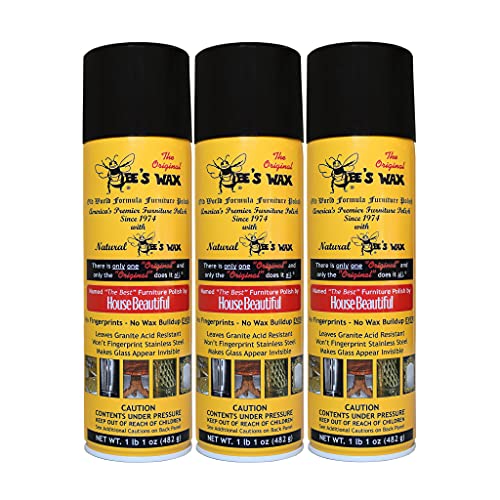
In situations where a more profound sheen is desired, an application of beeswax can be beneficial. This natural product acts as a sealant and enhances the depth of color. Be sure to apply it sparingly and buff well to prevent a greasy residue.
Regular maintenance will help keep furnishings looking pristine. A simple regimen of dusting and occasional polishing can prolong the life of both the finish and the wood beneath.
Preventing Future Water Stains on Furniture
Apply coasters or trays under drinks to catch spills before they touch the surface. Selecting materials like silicone or cork helps absorb moisture effectively.
Consider using waterproof sealants on surfaces prone to damage. A thin coat simplifies cleanup and shields against liquid infiltration.
Regularly dust surfaces with a microfiber cloth. This practice prevents dirt buildup that can hold onto moisture, leading to potential marks.
Train everyone in the household to handle drinks with caution, reinforcing habits that minimize risk. Placement of reminders near dining areas can help maintain awareness.
Keep items like plants in waterproof saucers to avoid excessive moisture. Always check for leaks in watering cans or pots.
Ensure proper humidity levels in living spaces. Utilizing dehumidifiers or air conditioners can create a stable environment, reducing moisture impact on various surfaces.
Choose appropriate cleaning products labeled for specific finishes. Knowledge about various types can improve maintenance without compromising integrity.
FAQ:
What are some common methods to remove water stains from furniture?
There are several methods to try when dealing with water stains on furniture. One popular approach is to use a mixture of equal parts vinegar and olive oil. Apply the solution to the stained area with a soft cloth, rubbing gently in the direction of the wood grain. Another method involves using mayonnaise. Just apply a small amount to the stain, let it sit for a few hours, and then wipe away with a clean cloth. If the stains persist, try using a commercial wood cleaner or polish designed for your type of furniture.
Will using heat help in removing water stains from wood furniture?
Yes, heat can sometimes be effective in removing water stains from wood furniture. You can place a clean cloth over the stain and then use an iron set to a low heat. Move the iron gently over the cloth for a few seconds at a time. The heat helps to evaporate the moisture trapped in the wood. Be cautious with this method to avoid damaging the wood finish. Always test in an inconspicuous area first to ensure it won’t harm the furniture.
Are there any household items that can help eliminate water stains?
Absolutely! There are a few household items that can be quite effective. Baking soda mixed with water can create a paste that works well on stains. Apply the paste to the affected area, let it sit for a few minutes, and then gently rub it away with a soft cloth. Toothpaste is another option; a non-gel version can be applied similarly. Just make sure to clean off any residue afterward.
How can I prevent future water stains on my furniture?
To prevent future water stains, consider using coasters under drinks and placing protective mats beneath plants or items that may spill. Additionally, regularly applying furniture polish can create a barrier that helps resist moisture. Maintaining a stable humidity level in your home can also minimize the risk of water damage. Regularly checking and addressing any spills promptly will also go a long way in protecting your furniture.