Caleb Turner

Sealing cracks and gaps is one of the most effective strategies to prevent unwelcome critters in your upper spaces. These openings serve as entry points for various species, often leading to significant discomfort and potential health risks. Regular inspections can help identify vulnerable areas, particularly around windows, vents, and rooflines.
Another important step is managing humidity levels. Insects thrive in moist environments, and attics often retain heat and dampness. Utilizing dehumidifiers and ensuring proper ventilation can drastically reduce a conducive habitat for unwanted visitors.
Food sources naturally attract pests, so it’s imperative to store items securely. Old boxes of food, pet supplies, or even organic materials can draw attention. Regularly cleaning storage areas minimizes risk and disrupts potential breeding grounds.
Lastly, maintaining regular pest control measures, like scheduled inspections from professionals, can provide an added layer of defense. My proactive approach includes developing a routine check to safeguard against recurring issues before they escalate.

Factors Leading to Pest Proliferation in Attics
To mitigate the risk of pest proliferation in elevated spaces, a thorough assessment of moisture levels is imperative. High humidity can create favorable conditions for larvae and other pests to thrive. It is advisable to routinely inspect the area for any signs of leaks or condensation accumulation, ensuring proper ventilation systems are in place to regulate air circulation.

Accumulation of Organic Materials
Another key contributor is the presence of organic debris, including accumulated dust, discarded food items, or decomposing materials. Establishing a routine cleaning schedule to remove potential food sources and waste is essential. I recommend sealing any uncovered food storage and managing waste effectively to deter unwanted visitors.
Structural Vulnerabilities
Cracks or openings in the walls and roof offer easy entry points for pests. Regularly checking for and repairing any structural faults will drastically reduce the likelihood of an invasion. Using mesh or screens on vents and ensuring existing entry points are adequately sealed can fortify the space against unwanted incursions.
Identifying Common Fly Species Found in Lofts
I often encounter several species in attics that can lead to nuisances. Familiarizing yourself with these insects can aid in effective management strategies.
House Fly (Musca domestica): A common resident, recognized by its grayish body and large eyes. They thrive in unsanitary conditions, especially around decaying organic materials.
Fruit Fly (Drosophila melanogaster): Small and brownish; they gravitate towards fermenting fruits and vegetables. Identifying their habitat can help in reducing their populations.
Flesh Fly (Sarcophagidae): Larger than house flies, with a gray thorax featuring black stripes. They are attracted to decaying animal matter, emphasizing the importance of waste management.
Cluster Fly (Pollenia rudis): Noted for their slow movements and furry appearance, they often enter during colder months, seeking warmth. They can create significant disturbances when waking from their hibernation.
Phorid Fly (Phoridae): Tiny and hump-backed, these pests are often found in areas with food waste or rotting organic materials. Regular cleaning is key to their prevention.
Recognizing these species aids in pinpointing sources of attraction and implementing measures to address and prevent future occurrences. Regular monitoring and cleanliness play pivotal roles in maintaining an insect-free environment.
Understanding the Lifecycle of Flies in Confined Spaces
To manage an invasion of these insects effectively, I focus on their stages of development. Knowing the lifecycle allows me to target specific phases for control measures.
Lifecycle Stages
The maturation process of these creatures typically includes four main stages: egg, larva, pupa, and adult. The journey begins with females laying eggs in areas with organic matter, ideal for feeding the larvae. This often occurs within decaying plants, trash, or even animal waste.
After hatching, larvae feed aggressively, growing rapidly. This stage can last from a few days to a week, depending on temperature and available food. I find the care in monitoring this phase particularly valuable, as early interventions can significantly reduce future populations.
Once fully developed, larvae transition into the pupal stage, where they undergo metamorphosis. This phase can last anywhere from several days to a couple of weeks, depending on environmental conditions. Keeping the area clean by removing potential sites for pupation can disrupt their lifecycle.
Finally, adults emerge ready to reproduce. Each female can lay hundreds of eggs during her lifespan of about a month. I ensure to maintain strict cleanliness and hygiene in the area to limit their ability to grow and multiply.
Key Control Strategies
| Stage | Control Measure |
|---|---|
| Egg | Remove organic waste regularly. |
| Larva | Treat infected areas with larvae-specific pesticides. |
| Pupa | Maintain a clean environment to prevent pupation. |
| Adult | Use traps and insecticides strategically. |
By adhering to these recommendations and remaining vigilant, it becomes easier to manage and reduce the populations of these insects in confined settings.
Assessing Environmental Conditions that Attract Flies
To minimize the presence of unwanted winged nuisances, I focus on key environmental factors that create suitable living conditions. Temperature regulation plays a significant role; warmer areas tend to support larger populations. Therefore, I ensure proper insulation and ventilation to maintain a cooler atmosphere.
Moisture levels are another major factor. I regularly check for leaks or damp spots, which can become breeding grounds. Maintaining dry surfaces and using dehumidifiers in specific areas helps to reduce these risks.
Food sources should remain tightly sealed. I store all food in airtight containers and clean up spills immediately. Organic waste also attracts these pests, so I dispose of garbage frequently and use tightly sealed bins.
Regular pest control assessments are essential. I inspect for cracks and entry points, sealing them effectively to limit access. Utilizing screens on windows and vents can further reduce the likelihood of invasion.
Lastly, I keep an eye on the presence of other insects. Ants or other small creatures can attract larger pests. Monitoring these populations allows me to tackle problems at the source before they escalate.
Recognizing Potential Breeding Sites in Your Loft
To eliminate unwanted visitors, I prioritize identifying potential breeding grounds. Here are key areas to examine:
- Moisture Accumulation: Check for leaks or damp spots, especially around pipes or roofs. Standing water is a prime attractor.
- Organic Material: Inspect for decaying fruit, food scraps, or organic waste. Even small amounts can lead to problems.
- Clutter: Disorganized spaces provide hiding spots. Clear out unnecessary items to minimize breeding areas.
- Storage Boxes: If storing items in cardboard or plastic, ensure they are clean and dry. Flies are drawn to any organic residues.
- Ventilation: Ensure proper air circulation. Stagnant air increases humidity, which can encourage reproduction.
By methodically checking these spots, I can reduce the chances of an unwanted population growing in my space.
Evaluating Food Sources that May Attract Flies
I recommend thoroughly inspecting potential food sources present in your space. Pay particular attention to any exposed food items, as even minor scraps can lure unwanted insects. Ensure that all food is securely sealed in airtight containers to limit access.
Regularly check your pantry and kitchen areas for spills or crumbs, which can accumulate unnoticed. Clean these areas frequently, focusing on corners and under appliances where debris often collects. Unattended organic waste, such as fruit peels or leftovers, should be disposed of promptly to prevent attracting unwanted visitors.
Assessing Non-Food Sources
Consider also the less obvious sources. Pet food left out, as well as unsealed compost bins, can serve as a magnet for insects. Ensure that any pet dishes are cleaned after feeding times and that compost is kept in tightly closed containers. Additionally, examining your trash disposal habits is essential; secure trash bags tightly and utilize bins with proper lids.
Monitoring Indoor Plants
Be aware of houseplants, as overwatering can lead to a damp environment that fosters pest attraction. Check the soil for rot and mold, which may create suitable conditions for unwanted organisms. Maintain proper plant care and remove decaying leaves promptly to optimize your indoor setting.
Impact of Poor Ventilation on Fly Infestation Risks
To minimize the threat of unwanted insects, ensuring adequate air circulation in enclosed areas is vital. Stagnant air creates a favorable environment for these pests, increasing their presence significantly. Without the proper exchange of fresh air, humidity levels can rise, creating a breeding ground for various species.
Dead air traps heat and moisture, leading to an ideal habitat that attracts unwanted visitors. Implementing ventilation solutions like exhaust fans or open windows can help reduce humidity and prevent the accumulation of odors that allure insects. Additionally, inspecting and sealing any gaps or cracks will contribute to better airflow, thereby lowering the possibility of an infestation.
Importance of Regular Airflow
Maintaining airflow is not only beneficial for preventing pests; it also supports structural integrity. Excess moisture can compromise materials, leading to mold growth and wood deterioration. This cascade effect further attracts unwanted creatures, intensifying the problem.
Monitoring Humidity Levels
Utilizing a hygrometer to keep track of moisture levels is a proactive approach. Ideally, humidity should remain below 50%. Regular checks and interventions, such as dehumidifiers, can greatly decrease the likelihood of attracting unwelcome guests. In turn, this fosters a cleaner and healthier environment.
Preventive Measures to Reduce Fly Attraction in Lofts
Regularly clean and declutter the space. Remove any food particles or spills immediately and maintain a strict cleaning schedule.
Seal entry points effectively. Inspect doors, windows, and any cracks in walls, sealing gaps with appropriate materials to prevent unwanted guests from entering.
Install effective screens. Use high-quality mesh screens on windows and vents to limit access while allowing ventilation.
Avoid overripe fruits and vegetables. Store them properly in the fridge or dispose of them promptly to eliminate potential food sources.
Utilize natural repellents. Scents like eucalyptus, peppermint, and lavender can deter insects. Consider placing sachets or essential oil diffusers in corners.
Maintain proper waste management. Ensure that trash bins are tightly sealed, and empty them regularly to reduce attractants.
Optimize airflow. Improve ventilation systems to circulate fresh air, decreasing stagnant environments that may attract unwanted pests.
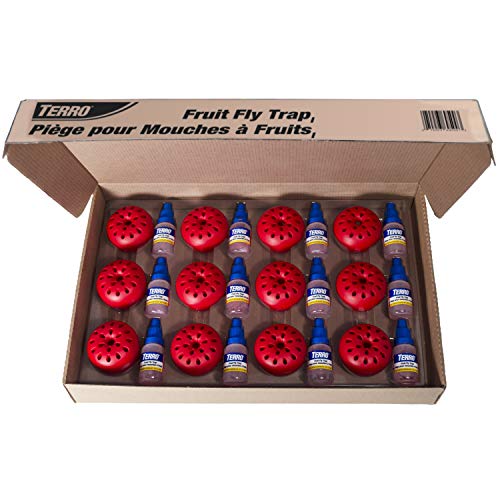
Consider using fly traps in strategic locations. These can effectively monitor and reduce pest populations without harmful chemicals.
Educate family members about these measures. Ensure that everyone understands the importance of maintaining cleanliness and following preventive steps consistently.