
 Caleb Turner

I recommend opting for a DIY approach using a homemade mixture of paint and water to achieve a lovely, lighter appearance on your furnishings. Begin by mixing equal parts of your chosen latex or acrylic paint with water, creating a smooth, paintable consistency. This technique allows for control over the opacity, ensuring the original grain can still shine through.
Before application, clean the surface thoroughly to remove any dust and grease that might hinder adhesion. Utilizing a damp cloth or a mild cleanser can elevate the final outcome. Apply the mixture using a brush or a sponge, working in sections to maintain even coverage. Be attentive to the strokes, ensuring they follow the wood’s natural grain for a more authentic look.
If you desire a more rustic effect, you can layer the mixture, allowing each coat to dry completely before adding the next. For a protective finish, consider sealing the final layer with a clear topcoat to enhance durability and withstand wear. This simple process can breathe new life into your pieces, adding a refreshing vibe to your space.
Transforming Dark Surfaces with a Light Finish
To achieve a lighter appearance on a rich-toned surface, mix equal parts of water and white acrylic paint. This solution allows the natural grain to show through while providing a fresh hue. Apply it with a brush or sponge, working in small sections to maintain even coverage.
Application Techniques
Utilize a soft cloth or a foam brush for a smooth application. Always test the mixture on a hidden area to ensure the desired effect. Once applied, wipe off any excess with a clean rag before it dries for better blending.
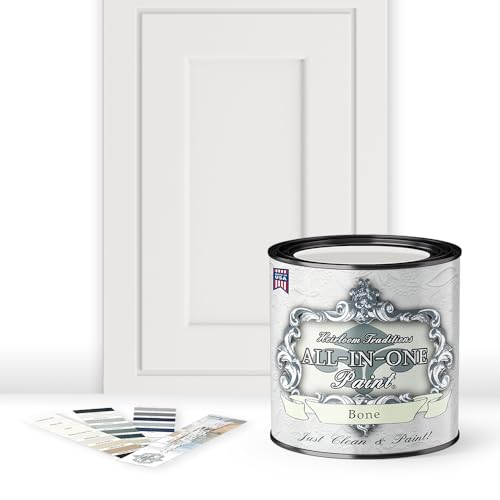


Final Touches
After the first coat dries, assess whether a second layer is needed for intensity. For added durability, consider sealing the surface with a clear, non-yellowing topcoat. This not only protects the finish but also enhances the overall look.
Selecting the Right Whitewash Formula
I recommend starting with a mix of water-based paint and water in a 1:1 ratio for a simple and effective solution. This formula will allow the natural grain to show through while providing a light finish.
Paint Choices
Opt for a high-quality latex paint specifically designed for interior use. Choose a shade of white that complements the overall aesthetic of your space. Brands that offer a range of whites are ideal, allowing for experimentation with undertones.
Application Techniques
After preparing your mixture, test it on a small, inconspicuous area. Use a clean, lint-free cloth or a sponge for application, working in the direction of the grains. This approach ensures smoother coverage and helps avoid streaking. Adjust the ratio to achieve desired transparency; adding more water will lighten the finish, while less will result in a more opaque appearance.
Preparing the Furniture for Whitewashing
Thoroughly clean your piece to remove dust, grime, and oils. A solution of warm water and mild soap is ideal. Use a soft cloth and avoid any abrasive materials.
Inspect for Damage
- Check for scratches, dents, or water marks.
- If any damage is found, consider using a filler suitable for the surface type.
Apply a Primer
Using a primer can help the subsequent layers adhere better. Choose a water-based primer designed for use on porous surfaces. Apply a thin, even coat and allow it to dry completely before proceeding.
Ensure the environment is well-ventilated. A dry space helps with drying times and reduces the chances of dust settling.
Once dry, inspect your work again to ensure a smooth surface. Touch up any uneven areas if necessary, ensuring the piece is prepped thoroughly for the upcoming application process.
Choosing the Right Tools for Application
I recommend using a few specific items to achieve a successful application. A good-quality paintbrush is essential; a synthetic bristle brush will work best for even distribution of the product. Avoid natural bristles as they may absorb too much moisture, affecting application.
An alternative to a brush is a spray bottle, which can provide a more uniform application, especially on larger surfaces. Make sure to mist the solution lightly, allowing it to settle into the surface adequately.
Additional Supplies
Besides the main application tools, having rags or cloths handy is crucial. These can be used for wiping off excess, blending, or applying additional layers. Choose lint-free options to avoid leaving any residue.
| Tool | Purpose |
|---|---|
| Synthetic Bristle Brush | Even application and blending |
| Spray Bottle | Uniform misting for larger surfaces |
| Lint-Free Cloths | Wiping excess and blending |
Lastly, ensure proper ventilation in your work environment. This not only helps with the application phase but also aids in drying, keeping the area safe while you work. Gather these tools before you start for a smoother process.
Testing the Whitewash on a Small Area
I recommend selecting a discreet section on the item to apply the mixture. This allows you to evaluate how the finish interacts with the surface. A hidden part, such as the underside of a tabletop or the back of a chair, can be ideal. Make sure this area is clean and free from debris.
Using a brush, apply a thin coat of the mixture and observe the drying process. Keep an eye on how the color develops–some solutions can lighten or darken as they cure. It’s crucial to wait the full drying time stated on the product for an accurate assessment.
After drying, check for uniformity. If the outcome is satisfactory, proceed to the larger areas. If it needs adjustments, consider altering the dilution ratio by adding more paint or mixing in additional water based on your initial test results.
Keep track of the technique used for future reference. For example, if you used a brush or cloth and a particular stroke pattern, note these details to replicate them easily as you continue. Adjust your approach according to the feedback gained from this small area test.
| Aspect | Observation |
|---|---|
| Color | Lightened or Maintained |
| Finish | Smooth or Textured |
| Drying Time | Shorter or Longer than Expected |
This method provides a clear understanding of how the entire piece may respond, reducing the risk of surprises later on.
Applying the Whitewash Evenly
To achieve a uniform appearance, I apply the creamy mixture using a brush or cloth in smooth, consistent strokes. I start at one edge and move methodically across the surface. Working in sections helps maintain control and prevents drying before I can blend it.
For a seamless look, I often use a damp cloth to smooth out any heavy areas after the initial application. This technique allows the product to penetrate well while evening out any streaks. I avoid overapplying; less is often more, so a thin layer is preferable.
I always keep an eye on the drying time. Depending on the environment, some formulas dry quickly. This means I need to work swiftly to ensure that each area blends nicely with the next. If it dries too fast, I risk an uneven finish.
After completing the application, I wait for the surface to dry completely before inspecting it closely. Touching up any spots that need reinforcement is crucial for that balanced finish. Patience pays off–I often find myself going back for a second layer, if needed, to achieve the desired depth.
Adjusting the Opacity of the Whitewash
The desired opacity is crucial for the outcome. To achieve the ideal shade, I experimented with different ratios of paint to water. A common starting point is mixing one part paint with one or two parts water. This creates a semi-translucent finish that allows the grain to show through while providing a fresh look.
Testing and Modifying Ratios
After preparing my mixture, I always test it on an inconspicuous area. This small application reveals how the color interacts with the surface. If it appears too opaque, I simply add more water. Conversely, if it’s too transparent, increasing the paint concentration will deepen the hue. Adjusting in small increments ensures control over the final appearance.
Layering for Desired Effect
Another effective strategy is layering. Applying multiple thin coats offers greater control over opacity. Each layer can be built up gradually, allowing me to achieve the exact look I want. I wait for each coat to dry fully before adding the next one, ensuring the previous application influences the next. This technique provides a more nuanced finish than a single, heavy application.
Ultimately, patience is key. Taking the time to experiment with concentrations and layering leads to a satisfying result that enhances the original character of the piece.
Sealing the Whitewashed Finish
Once I’ve achieved the desired look on my piece, sealing is a crucial step for durability. I prefer using a water-based polyurethane for quick drying and easy clean-up. After the whitewash has dried completely, I gently apply the sealant using a clean brush or roller. I ensure I cover every surface evenly to avoid uneven wear.
I typically apply at least two coats for added protection. Between coats, I lightly sand the surface with a fine-grit sponge, ensuring I don’t remove the finish. This step improves adhesion and creates a smooth surface. After the final coat, I allow it to cure according to the manufacturer’s instructions, which usually ranges from a few days to a week, depending on environmental conditions.
For a more natural look, I sometimes opt for a wax finish. I apply a thin layer of wax with a soft cloth, buffing in a circular motion. This method not only provides a lovely sheen but also adds a layer of protection against minor scratches and scuffs.
Maintaining the Whitewashed Surface
Regular upkeep is key to preserving the fresh, light finish. I recommend performing these steps:
- Dusting: Use a microfiber cloth weekly to eliminate dust. This prevents build-up that can dull the surface.
- Cleaning: Mix a mild soap solution with warm water. Dampen a cloth and gently wipe the surface to remove stains. Avoid soaking, as excess moisture can cause damage.
- Avoid Harsh Chemicals: Stay clear of ammonia-based or abrasive cleaners to protect the finish. Opt for pH-neutral products instead.
Reapplication of Finish
Over time, the protective barrier may wear down. Reapply your chosen sealing agent every 6 to 12 months, following the manufacturer’s guidelines. Make sure the surface is clean and dry before reapplication.
Prompt Attention to Marks
For any scuffs or scratches, address them immediately to prevent permanent damage. A simple touch-up with the same sealing agent can restore the finish quickly. Test on a small area first to ensure color consistency.
Troubleshooting Common Issues
If the finish appears blotchy, it’s crucial to ensure even application and adjust the mixture’s ratio for better consistency. Test different dilutions on a scrap piece if necessary.
Patching Up Uneven Areas
To address spots that are too dark, consider using a damp cloth to gently wipe down that area to lighten the appearance. Alternatively, apply a diluted solution in those sections to blend it in.
Dealing with Streaking
- Ensure the brush or applicator is clean and free from previous coatings.
- Apply in thin layers, avoiding over-saturation that leads to pooling.
- Work in small sections and blend edges to prevent obvious lines.
For unsatisfactory adhesion, the surface must be thoroughly cleaned. Use a degreaser like vinegar and water, ensuring all residues are eliminated. If the issue persists, consider a bonding primer designed for challenging surfaces.
Fading Over Time
To combat fading, regular maintenance is essential. Utilize protective coatings or sealants specifically designed for enhanced durability. Reapply as needed based on environmental exposure.


