
 Caleb Turner

For remarkable results with your cherished antiques, I recommend applying a quality finishing product that enhances the natural beauty of the wood while preserving its character. Begin by ensuring the surface is clean and free from dust and grime. A simple mixture of mild soap and water applied with a soft cloth can effectively prepare the surface for treatment.
Next, using a clean, lint-free cloth, apply the chosen solution generously in the direction of the grain. It’s important to cover all areas evenly to avoid streaks or uneven patches. Allow it to soak in for a short period, generally around 5 to 10 minutes, before buffing it gently with another clean cloth. This method not only enhances the luster but also provides protection against wear.
For ongoing maintenance, consider reapplying the product periodically based on usage and exposure to environmental factors. Regular care can prolong the life of your pieces and maintain their appeal. Each application will build up a protective layer, ensuring your vintage items remain stunning for years to come.
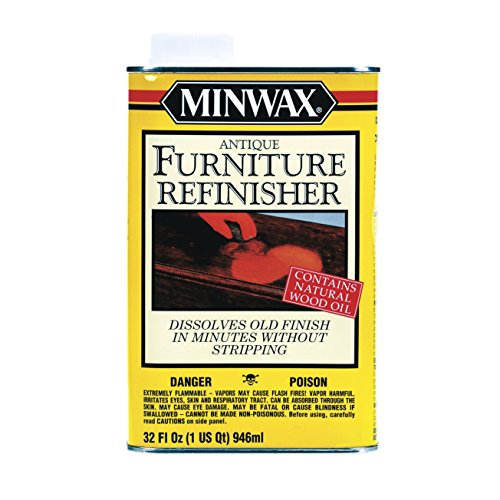


How to Apply Minwax Antique Furniture Refinisher
First, ensure the item is clean and free from dust or grease. I often use a damp cloth for initial cleaning, followed by a thorough drying. Choose a well-ventilated space to work in for safety.
Next, shake the container gently to mix the contents before opening it. I prefer pouring a small amount into a bowl or tray to avoid contamination of the main container.
Using a soft cloth or natural bristle brush, I apply a generous coat in the direction of the grain. This method helps enhance the wood’s natural appearance and ensures a smooth application.
After applying, I allow the solution to penetrate for about 10 minutes. If I notice any excess product, I carefully wipe it away with a clean, dry cloth, keeping the finish even.
For optimal results, I recommend repeating this process after a few hours to build up depth in color and sheen. Depending on the piece, multiple applications may be beneficial.
Once satisfied with the finish, I let the item dry completely. Typically, I wait 24 hours before handling to allow the finish to cure properly.
Lastly, I clean my tools with mineral spirits as advised, ensuring they remain in good condition for future projects.
Understanding the Product Composition and Benefits
The formulation of this refinishing product includes a blend of naturally derived oils and solvents, specifically designed to penetrate and revitalize aged surfaces. The primary components, such as mineral spirits and linseed oil, work together to lift grime and restore the sheen without stripping the original finish. This gentle approach preserves the integrity of the wood while enhancing its natural beauty.
The advantages of utilizing this solution are multifaceted. Firstly, it simplifies the restoration process, allowing for a quick refresh without extensive sanding or scraping. By directly applying it to surfaces, I witness areas becoming rejuvenated with minimal effort. It is particularly beneficial for timeworn pieces, as it hydrates the wood fibers, preventing further cracking and wear.
Additionally, the product dries relatively quickly, enabling me to finish projects efficiently. Upon application, I notice a reduction in dullness, bringing back the depth of color and highlighting the character of the grain. This revival not only enhances aesthetics but also acts as a protective layer against daily wear and tear.
Security is another critical factor. The low odor formulation ensures a comfortable application experience indoors, making it safer for use in confined spaces. I appreciate that it is free from harmful chemicals, aligning with a more environmentally conscious approach to home improvement.
In conclusion, understanding the composition and benefits of this refinishing solution allows for informed decisions in the restoration of vintage pieces, ensuring they remain cherished for years to come.
Preparing Your Workspace for Refinishing
I recommend clearing a designated area where you can comfortably work on your restoration project. Ensure the space is well-ventilated by opening windows or using fans to facilitate airflow. This not only enhances comfort but also helps disperse any fumes from the products you’ll be using.
Cover the floor with a drop cloth or plastic sheeting to protect against spills and drips. I prefer using an old blanket or cardboard because they provide a cushioned surface that can prevent damage to the floor beneath.
Organize tools and materials before starting. Gather brushes, rags, and any other supplies you may need. Keep these items within easy reach to streamline the process and minimize disruption.
Have a container handy for disposal of used materials. I use a small trash can or a bag to keep the workspace tidy and to ensure that no debris clutters the area.
Wear appropriate protective gear. Gloves, goggles, and a mask provide safety from potential irritants and harmful substances. I always make sure to put on these items before beginning any refinishing tasks.
Ensure your project piece is clean and free of dust. A quick wipe down with a damp cloth removes surface particles that could affect the finish. Once it’s dry, you’re ready to begin the restoration.
Choosing the Right Tools for Application
For optimal application of the restoration product, I recommend having the following tools readily available:
- Soft, lint-free cloths: These are essential for applying the solution and buffing the surface to achieve a smooth finish.
- Synthetic bristle brushes: Ideal for working in detailed areas where precise application is required.
- Fine steel wool: Use this to gently clean the surface before application, ensuring any grime or old residue is removed.
- Drop cloths: Protect your workspace by laying down drop cloths to catch any drips or spills.
- Protective gloves: Always wear gloves to shield your hands from the chemicals involved.
- Masking tape: Utilize tape to protect areas you do not want to be treated, ensuring clean lines.
Preparation Steps
- Gather all tools before starting for a streamlined process.
- Ensure your workspace is well-ventilated to avoid inhaling any harmful fumes.
- Take the time to test a small, inconspicuous area to see how the chosen method interacts with the surface.
Each of these items enhances the overall experience, leading to a more satisfactory outcome. Personal preference might dictate certain adjustments, but having a solid toolkit will facilitate the restoration process significantly.
Steps to Clean and Prepare Furniture Before Refinishing
I ensure the piece is completely dust-free by wiping it down with a damp cloth. This eliminates any surface dirt and debris that could interfere with the application process.
Next, I inspect for old finishes or layers that need removal. Using a gentle stripper helps in this phase, allowing me to uncover the underlying wood while preserving its integrity. Thoroughly wash the surface afterward with water to remove any chemical residues.
If there are stubborn stains, I mix baking soda with water to form a paste. Applying it to the stains and letting it sit for several minutes helps lift them without damaging the wood.
I focus on any imperfections, filling holes or cracks with wood filler. Once dried, I sand these areas lightly to ensure they blend seamlessly with the surrounding surface.
To enhance adhesion of the new finish, I follow up with fine-grit sandpaper, giving the entire surface a light scuff. It’s essential to wipe away any sawdust using a tack cloth for optimal results.
During the preparation, I ensure my workspace is well-ventilated. I remove any unnecessary items to prevent accidents and distractions.
| Step | Description |
|---|---|
| Dusting | Wipe with a damp cloth to remove dirt. |
| Finish Removal | Apply a wood stripper for old layers. |
| Stain Treatment | Use a baking soda paste for stains. |
| Repairing | Fill cracks and sand down smooth. |
| Sanding | Lightly scuff the surface for better adhesion. |
| Cleanup | Remove dust with a tack cloth. |
With everything cleaned and prepared, the surface is ready for the new application to begin. Ensuring each step is executed thoroughly leads to a more satisfying final appearance.
Applying Antique Furniture Refinisher: Techniques and Tips
Ensure you apply the product in well-ventilated areas to avoid inhalation of fumes. Choose a clean, dry cloth for application–lint-free options work best to prevent any debris.
For optimal results, follow these techniques:
- Test a Small Area: Always test on an inconspicuous spot to evaluate color change and adhesion.
- Work in Sections: Focus on small areas at a time to ensure even application and reduce chance of streaking.
- Use a Circular Motion: Apply using smooth, circular motions to evenly distribute the solution across the surface.
- Wipe Off Excess: After a few minutes of application, use another clean cloth to remove any excess product, promoting a natural finish.
- Apply Multiple Coats: For deeper color and shine, wait for the first coat to dry for 10-15 minutes, then repeat the process.
Maintain optimal temperature while working; a warm environment facilitates faster drying times. Pay attention to humidity as well, as high levels can affect finish quality. After application, allow the surface to cure adequately before using or placing items back onto it.
Use a soft-bristled brush for intricate details or hard-to-reach areas, ensuring precision without damaging the surface. Adjust the amount of product based on the type of surface; porous woods may absorb more, requiring additional coats.
Monitor your work closely; uneven areas can indicate excessive product build-up. If this occurs, gently sand the area once dry and reapply. Rinse brushes or cloths used immediately after application to maintain their quality. Remember to store the product securely, keeping it away from heat sources.
Common Mistakes to Avoid During Application
One of the most frequent errors is not preparing the surface adequately. Ensure that dirt, dust, and old finish are completely removed. I recommend using a degreaser or a gentle cleaner for this purpose.
Avoid applying too much product at once. It’s better to work in thin layers. This allows for proper absorption and a smoother finish. I typically use a clean cloth to apply a small amount, checking for even coverage.
Ignoring the drying time can lead to uneven results. Follow the guidelines on the container regarding how long to wait between coats. This step is essential for achieving the desired appearance.
Using the wrong applicator can also negatively impact the outcome. Soft cloths or fine brushes work best. Avoid coarse materials that could scratch the surface.
Don’t neglect ventilation during the process. If the area isn’t well-ventilated, it can affect both the application and my health due to fumes. Keeping windows open or using a fan can help circulate air.
Overlooking the need for test areas can lead to disappointment. Apply a small amount in an inconspicuous spot to ensure color and texture match expectations before proceeding with the entire piece.
Lastly, after completing the application, I find that skipping the final protective coat can compromise the durability of the finish. A clear topcoat helps enhance and protect the work done.
Drying Time and Curing Process Explained
After applying the product, I typically allow a surface drying time of approximately 15 to 30 minutes before handling. However, achieving maximum results demands patience during the curing phase. Curing is a chemical process that solidifies the finish and enhances durability.
In my experience, the full curing time can range from 24 hours to several days, depending on environmental conditions such as temperature and humidity. For optimal results, I aim for at least 48 hours before heavy use to avoid any damage to the newly treated surface.
| Condition | Drying Time | Curing Time |
|---|---|---|
| Low Humidity (below 40%) | 15-20 minutes | 48 hours |
| Moderate Humidity (40-60%) | 20-30 minutes | 72 hours |
| High Humidity (above 60%) | 30-45 minutes | Up to 1 week |
During the initial drying phase, I avoid touching or placing any objects on the surface. This prevents irregularities and ensures a smooth finish. Additionally, good airflow helps accelerate the drying and curing process, so I keep windows open or use fans if necessary.
Monitoring the feel of the surface afterward is also crucial; it should be dry yet slightly tacky to the touch before I consider it ready for light handling. Waiting patiently through these phases guarantees a lasting and resilient outcome.
Post-Application Care and Maintenance for Refurnished Pieces
As soon as I finish the application process, I ensure to give the surface ample time to cure properly. Typically, this takes a minimum of 24 hours, but I always check the manufacturer’s recommendations for specifics.
Once cured, gentle cleaning is my priority. I use a damp, soft cloth to remove any dust or debris, avoiding harsh chemicals that could harm the finish. For stubborn spots, I opt for a mild soap solution, making sure to thoroughly rinse and dry the area afterward.
Regular maintenance involves reapplying a thin layer of suitable wax or polish every few months. This helps to retain the shine and adds a protective barrier against scratches. I make it a point to buff the surface lightly with a soft cloth after each application.
Direct sunlight can fade the appearance of the piece over time, so I consider rearranging or using curtains to mitigate exposure to harsh light. I also keep the humidity levels stable, as overly dry or humid conditions can affect the integrity of the finish.
For long-term care, I avoid placing hot objects directly on the surface and use coasters for beverages. This simple step prevents damage and extends the life of the restoration.
Inspecting the piece periodically for any signs of wear or damage is part of my routine. If I notice any issues, I address them quickly to prevent further deterioration.
Safety Precautions While Using the Refinisher
Wearing appropriate personal protective equipment (PPE) is non-negotiable. I always opt for gloves, safety goggles, and a mask that can filter organic vapors. This minimizes exposure to harmful fumes during application.
Ventilation is key. I make sure to work in a well-ventilated area by opening windows and using fans to circulate air. This helps dissipate any vapors that may accumulate. When indoors, I ensure that the space is adequately aired out before starting.
Before starting, I remove any potential ignition sources. Since many coatings are flammable, I avoid using heat-producing tools or smoking nearby. Keeping a fire extinguisher accessible adds an extra layer of safety.
I also take care to read the product label thoroughly. Familiarizing myself with the manufacturer’s instructions and safety guidelines ensures I am aware of any specific hazards associated with the formulation.
Utilizing drop cloths can prevent spills on floors and surfaces. I choose a protective covering that is easy to clean and won’t absorb the liquid, reducing the risk of slipping or damaging nearby items.
Finally, I always store products securely, keeping them out of reach of children and pets. Sealing containers tightly when not in use prevents any accidental leaks or exposure.


