
 Caleb Turner
Finding stylish alternatives to high-end décor doesn’t have to be daunting. Start by identifying key features of the original pieces that draw your attention, such as color, texture, or design elements. This targeted observation allows for a focused search, whether it’s through online marketplaces or local shops.
Next, create a mood board that showcases your vision. Collect images that resonate with the aesthetic you aim to achieve. By doing so, I can ensure the pieces I choose align with my overall design intention, making selections more coherent and visually appealing.
Utilizing custom fabric options is another avenue worth exploring. In many cases, I can find a basic structure and customize it with textiles that mirror expensive designs. This method not only enhances the uniqueness of my interiors but also keeps costs manageable.
Lastly, don’t hesitate to tap into DIY skills. Simple modifications, such as painting or reupholstering, can dramatically transform standard items into personalized masterpieces. A little creativity goes a long way in achieving the polished look of designer pieces without the accompanying price tag.
Understanding the Concept of Dupe in Furniture Design
Emulating high-end styles at a fraction of the cost is achievable through strategic selections in interior decor. The focus lies on identifying key characteristics that define the original items, such as materials, shapes, and finishes. Carefully choosing replicas that closely match these elements can create a remarkably similar aesthetic.
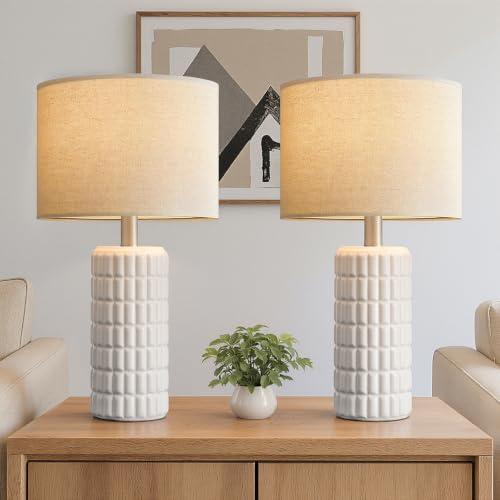

Prioritize quality by examining craftsmanship and material used in the alternatives. For instance, instead of solid wood, a high-grade laminate may offer an attractive look similar to more expensive counterparts while enhancing durability.
Scale and proportion play vital roles; ensuring that dimensions resemble those of the original pieces aids in creating coherence in the overall design. This avoids a disjointed appearance that often emerges from mismatched sizing.
Color schemes should also reflect the original’s palette. Look for hues that correspond closely, as variations can lead to a disconnect in visual harmony. It’s advisable to sample different options before committing to major purchases.
Incorporate texture to elevate the design. Soft furnishings and accessories can mimic the luxe feel of higher-priced items without the financial burden. Fabrics that replicate the essence can enhance comfort and style.
Combining these strategies fosters a sophisticated atmosphere that doesn’t compromise on aesthetics. By choosing wisely, one can master the art of stylish living without exceeding budgetary limits.
Identifying the Right Pieces to Duplicate
First, focus on items that captivate you visually and serve a practical purpose in your space. Look for standout characteristics, such as unique shapes, textures, or materials. Evaluate how these qualities influence the overall aesthetic and function of the room.
Assessing Your Needs
Determine which elements in your home require enhancement or replacement. Consider the following:
- Style consistency across rooms
- Functional requirements for everyday life
- Budget constraints for achieving your vision
Making the Right Choices
Explore pieces that resonate with your lifestyle and reflect your personality. Prioritize:
- Timeless designs that blend with various styles
- Items that serve dual purposes, maximizing space usage
- Signature pieces that act as conversation starters
Lastly, consult resources such as online galleries, design blogs, and showrooms to visualize how various items can complement one another. This aids in making informed choices that align with your preferences and spatial dynamics.
Gathering Inspiration for Your Furniture Duplication Projects
Visit local thrift shops and flea markets regularly. These places often hide treasures that can inspire your next creation, offering unique forms, finishes, and materials that are ripe for reimagining.
Follow social media accounts and blogs dedicated to interior design. Platforms like Instagram and Pinterest are filled with innovative ideas and trends that can spark your creativity when selecting items to replicate.
Explore Design Showrooms
Take time to explore furniture showrooms and exhibitions. Pay attention to popular styles and materials, noting details such as color palettes and textures. Capture photos or create a mood board to visualize your vision better.
Utilize Online Resources
- Search for DIY videos and tutorials that illustrate the creation of popular pieces.
- Join forums and discussion groups where enthusiasts share their projects and sources.
- Engage with online marketplaces to find unique pieces that can inspire similar designs.
Document your thoughts and findings. Keeping a dedicated notebook or digital file can help streamline your ideas and keep track of your inspirations over time.
Consider collaborating with others who share similar interests. Exchange ideas and techniques, or simply discuss what appeals to you creatively. Sometimes, collaboration leads to the best concepts.
Choosing Materials That Match the Original Design
To achieve a close resemblance to the original, I focus on selecting materials that mirror the texture, color, and quality of the intended piece. For wood, I opt for species, such as oak or walnut, that closely match the grain and hue of the original. Stains can be blended to achieve identical finishes.
Fabric Selection
When it comes to upholstery, I analyze the fabric–its weave, weight, and pattern. For example, if the original uses linen, I look for a similar blend that offers comparable durability and softness. Swatches can help visualize how colors work together within the space.
Metal and Hardware Choices
If the original features metal accents, matching the finish–be it matte, brushed, or polished–is key. I prioritize sourcing the same type of metal, such as brass or stainless steel, and consider the dimensions of hardware pieces like knobs and handles to ensure they fit seamlessly with the design aesthetics.
Tools and Equipment Needed for Creating Furniture Replicas
I recommend assembling a comprehensive toolkit to streamline the crafting process. Key tools include a miter saw for precise cuts, a jigsaw for intricate shapes, and a drill for fastening parts together. Each of these tools plays a fundamental role in ensuring accuracy and quality in construction.
A sander is crucial for achieving a smooth finish and preparing surfaces for painting or staining. I prefer an orbital sander for its efficiency and effectiveness on larger surfaces. For smaller areas, a detail sander is beneficial.
Measuring tools such as a tape measure and a square must be included to guarantee that every component fits perfectly. These instruments help avoid common errors in dimensions that can compromise the final piece.
Use clamps to hold materials securely while assembling. This keeps components aligned, making glue application and fastening much easier and more reliable.
Investing in quality paints, stains, and sealants can enhance the appearance and durability of the finished piece. I choose water-based options for easier cleanup and less odor during application.
Lastly, a workbench acts as a designated space for all projects. It should have ample room to work and may even include built-in storage for tools, keeping everything organized and accessible.
Step-by-step guide to building your own furniture dupe
Begin with a detailed sketch or a blueprint that outlines dimensions, shapes, and key features of the piece you’re replicating. Measurements are critical; ensure to capture all relevant aspects like height, width, and depth accurately.
1. Prepare Your Workspace
Clear a well-lit area dedicated to your project. Gather tools like a saw, drill, measuring tape, and clamps. Organize everything you need within arm’s reach.
2. Fabrication Process
Cut your chosen materials according to the measurements from the blueprint. Assemble the parts using screws or wood glue, ensuring the structure is sturdy. Sand all surfaces to achieve a smooth finish, and apply paint or stain that matches the original. Allow proper drying time between coats for durability.
Finally, accessorize or add details that mimic the original style, such as hardware or unique textures. Regularly step back to compare your piece with the original to ensure accuracy.
Finishing techniques to enhance your furniture dupe
To elevate the look of your crafted pieces, consider applying a wood stain that mimics the original’s hue. A dark walnut or antique oak finish can add depth and character. Begin with a test patch to ensure the color aligns with your vision.
Applying Sealer and Topcoat
After staining, sealing the surface is vital to protect against wear and tear. Choose a polyurethane or varnish that matches the sheen of the original. A satin or matte finish usually blends in seamlessly. Apply multiple thin coats, sanding lightly between applications for a smooth surface.
Adding Decorative Elements
Incorporating hardware like antique knobs or handles enhances authenticity. Select pieces that reflect the style of the original design. Additionally, consider distressing techniques, such as sanding edges or creating faux scratches, to achieve a vintage aesthetic. Keep the details consistent to maintain coherence with the inspiration piece.
Cost Comparison Between Original and Replica Home Decor
When assessing the price difference between genuine and imitation decor, it’s crucial to look at both initial costs and long-term value. Genuine pieces often carry hefty price tags due to their brand reputation, craftsmanship, and material quality. Conversely, replicas might offer a more affordable entry point but could lack durability and aesthetic appeal over time.
Price Breakdown
| Item Type | Original Price | Replica Price | Price Difference |
|---|---|---|---|
| Mid-Century Chair | $1,200 | $300 | $900 |
| Designer Coffee Table | $2,000 | $500 | $1,500 |
| Luxury Sofa | $3,500 | $800 | $2,700 |
In the examples above, the savings are substantial. However, consider potential maintenance costs associated with replicas, which may need replacement sooner compared to original items. Knowing the longevity of a piece can greatly influence overall value.
Long-Term Considerations
Evaluate your expectations regarding aesthetic retention and durability. If frequent updates to your decor are anticipated, opting for affordable replicas could be practical. For timeless investments, original pieces may serve better in enhancing your living space. Weighing these factors critically will enhance decision-making when updating your indoor aesthetics.
Tips for Selling Your Furniture Dupes Successfully
Focus on high-quality images that showcase every detail of your replicas. Capture shots from multiple angles, highlighting unique features and craftsmanship.
Craft detailed descriptions that clearly outline the materials used, dimensions, and design inspirations. This transparency builds trust with potential buyers.
Utilize social media platforms effectively. Create visually appealing posts that tell the story of your items, possibly including a short video showing them in action or set in a stylish environment.
Join online marketplaces that cater to handmade or unique items. Ensure your listings are optimized with relevant keywords to enhance visibility.
Offer potential buyers customization options, such as color variations or sizing adjustments, to appeal to a wider audience.
Engage with your audience through comments and messages promptly. Building rapport can convert inquiries into sales.
Consider hosting local events or pop-up shops to display your pieces in person. This personal touch can significantly boost interest and sales.
Set competitive prices by conducting market research on similar items. Ensure your pricing reflects the quality and effort put into each creation.
Gather customer testimonials and reviews to display on your listings or social media. Positive feedback from previous buyers enhances credibility and attracts new customers.
Lastly, stay open to feedback. Adjust your offerings based on what your audience looks for in terms of style, pricing, and features.


